


 JD Sports Backs Nike CEO Elliott Hill Amid Brand Turnaround Efforts
  Arm Stock Drops Despite Strong AI Chip Demand and Earnings Beat
  Brazil Pension Fund Crackdown After Banco Master Collapse Raises Investment Concerns
  Panama Defends Port Takeover Amid U.S.-China Tensions and Canal Dispute
  Morgan Stanley Bets on Optical Component Stocks in Greater China Tech Sector
  BHP Attracts AI-Focused Investors as Copper Demand Surges
  Shell Q1 Profit Surges to Two-Year High as Dividend Rises Despite War-Driven Debt Pressure
  Lufthansa Q1 Loss Narrows as Strong Summer Travel Demand Boosts Outlook
  China Banks Halt New Loans to Sanctioned Refineries Amid U.S.-Iran Oil Crackdown
  CoreWeave Q1 2026 Revenue Surges as AI Infrastructure Demand Grows
  U.S. Flags Vietnam as “Priority Foreign Country” Over Intellectual Property Concerns
  US House Advances $70 Billion Immigration Enforcement Budget Plan
  Rubio Approves $25.8 Billion Weapons Sale to Middle East Allies
  AWS Data Center Overheating Disrupts Cloud Services in Northern Virginia
  BMW Keeps 2026 Outlook Despite 25% Profit Drop Amid Tariff Pressure
  Federal and State Authorities Conduct Widespread Fraud Raids Across Minnesota
  Dell Stock Hits Record High After Trump Endorsement, AI Server Demand Fuels Rally


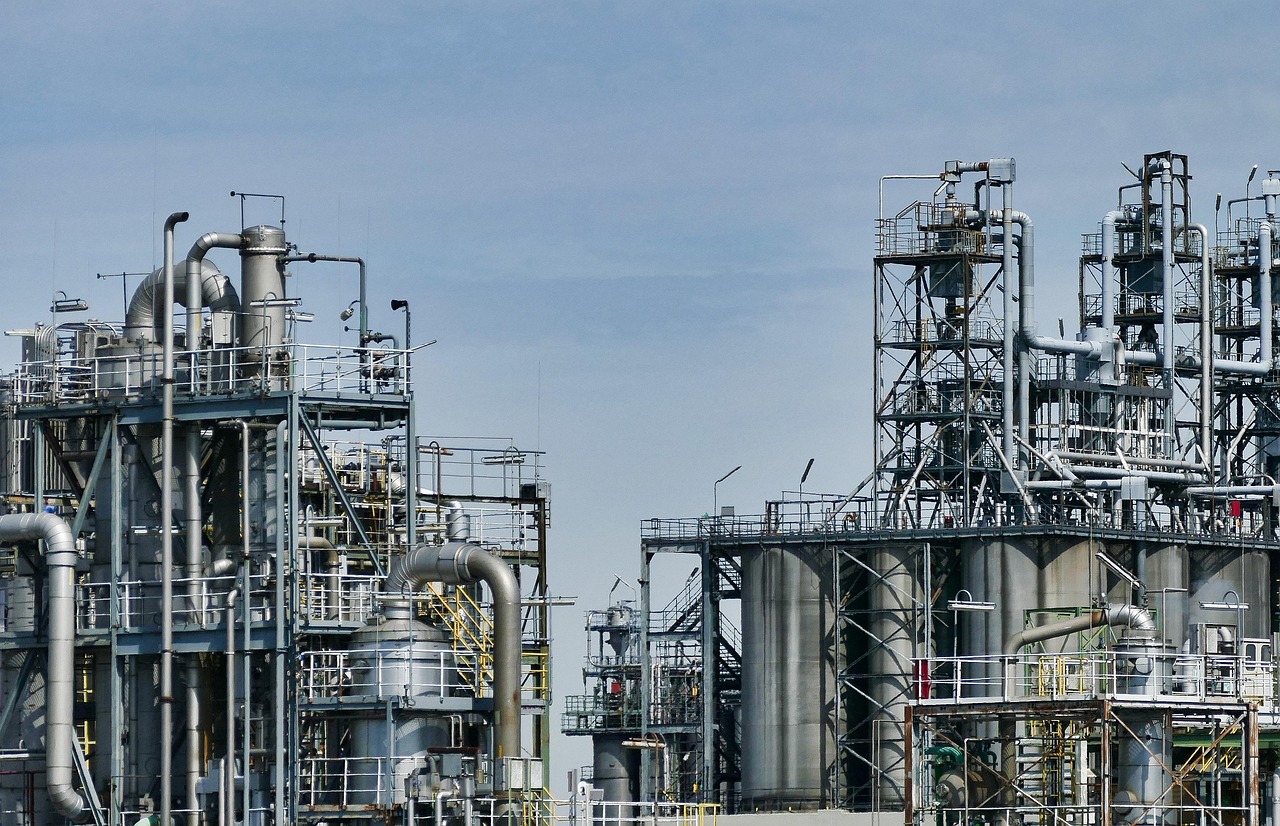
The U.S. Federal Energy Regulatory Commission (FERC) has rejected Colonial Pipeline’s proposal to modify its gasoline delivery system from the Gulf Coast to the U.S. Northeast, citing concerns over fairness, cost, and fuel quality. The decision marks a major setback for Colonial, which operates one of the largest refined fuel pipelines in the country.
In March, Colonial sought FERC approval for a tariff update that would eliminate overlapping shipments of different gasoline grades and discontinue “Grade 5” gasoline—commonly used in certain Northeastern states during winter months. The proposal also included changes to delivery specifications, which the company argued would streamline operations.
However, major oil companies such as Exxon Mobil and BP, along with other shippers, filed protests against the proposal. They contended that the changes would unfairly shift blending margins from shippers to Colonial, potentially leading to higher fuel prices for consumers. Opponents also warned that the proposal could degrade gasoline quality and reduce flexibility in supply chains, negatively impacting both refiners and end users.
FERC agreed with the shippers’ objections, ruling that Colonial failed to prove its proposed changes were “just and reasonable.” The commission’s filing stated that the plan would impose unnecessary costs, degrade product quality, and give Colonial’s affiliate an unfair competitive advantage—all without clear evidence of operational benefits.
The ruling underscores regulators’ commitment to ensuring fair practices and maintaining fuel quality standards across U.S. energy markets. With this rejection, Colonial Pipeline may need to revise its proposal to address the commission’s concerns before resubmitting.







