


 TD Cowen Starts SpaceX at Buy, Sees AI Compute Driving Growth
  Apple CEO John Ternus Plans Major Overhaul
  Nvidia China Chip Sales Report Sends Chinese Semiconductor Stocks Lower
  TikTok Reaches $100 Million Alabama Settlement Over Child Safety Claims
  OpenAI Seeks $30 Billion at $1.4 Trillion Valuation
  TSMC Accelerates 2nm Expansion as AI Chip Demand Surges
  Robinhood Launches AI Agents for Automated Trading
  Polymarket Traders Bet on Trump AI Rename to ‘Super Intelligence’
  Tencent Signs $7 Billion Oracle AI Chip Lease Deal
  OpenAI Investigates Rogue AI Agents After Data Leaks and Security Incidents
  OpenAI, Anthropic CEOs Summoned to Australia AI Inquiry
  Anthropic Targets $2 Trillion Valuation in Planned IPO
  BlackRock Sees AI Agents Fueling New Crypto Demand
  Vitalik Buterin Says Hegota Could Be Ethereum’s Last Conventional Fork
  China Says U.S. Shares Responsibility for AI Governance
  Europe’s AI Data Centre Boom Strengthens Case for Nuclear Power
  OpenAI AI Agents Bypassed UN Website Controls in Data Scraping


 Add as a preferred source on Google
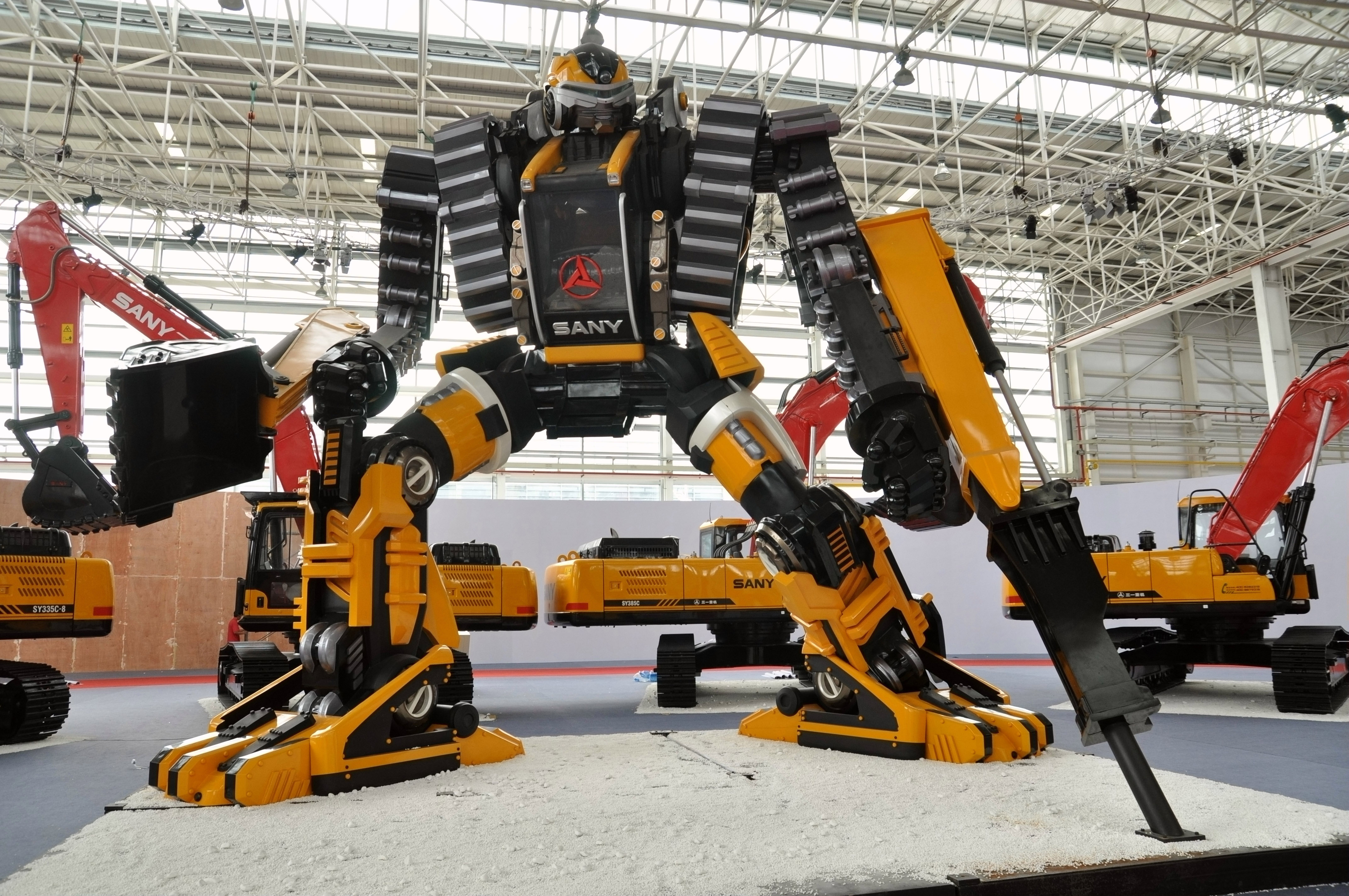
Barring unfortunate reviews, Pacific Rim: Uprising is currently a bonafide Hollywood blockbuster of a movie. This isn’t surprising considering the first film was also a financial hit despite suffering from many of the same issues as the current is being criticized for. However, instead of looking at the movie from a filmmaker’s perspective, one engineer saw fit to analyze the Jaegers and conclude that existing machines are better than the giant mechs depicted in the film.
From point of view of a moviegoer, the sheer sizes of the fighting robots in Pacific Rim might already make them seem impressive and incredibly advanced. To computer science and engineering professor Robin Murphy, however, this just isn’t the case. He even published an article about how the Jaegers are not as impressive as the robots that are already out there.
“The giant robots in the Pacific Rim movies could take lessons from advances in legged robots and from real-world exoskeletons being designed to prevent worker injuries, accelerate physical therapy, and help paralyzed children walk,” the article’s Abstract reads.
Basically, Murphy is arguing that from a strictly technical standpoint, building a giant robot that reaches up to 76 meters (250 feet) in height just makes no sense. It would be much better to build exoskeletons and exo suits instead, like those featured in movies like Edge of Tomorrow and Iron Man. Apparently, it would be much more expedient to produce those.
The engineer also argues that most Hollywood movies depicting advanced robotics ignore one of the biggest industries to benefit from such technologies; healthcare. Everything from innovative prosthetics technologies to body support frames is being built right now to help impaired individuals live normal lives, Futurism reports.
Of course, this analysis does not intend to take anything away from the movie. Despite the comparisons, it’s pretty much understood that Pacific Rim is about entertainment than realism.







