


 Iran's Government Remains Stable Despite U.S. and Israeli Strikes, Intelligence Shows
  Japan's BOJ Independence Under Fire as PM Takaichi's Rate Stance Draws Political Heat
  Taiwan's MQ-9B SkyGuardian Drone Order Stays on Schedule Despite Middle East Conflict
  Ukraine Strikes Russian Missile Component Factory in Bryansk Using British Weapons
  Iran Mines Strait of Hormuz: Crude Oil Prices Surge Amid Middle East Tensions
  Iran-U.S. Oil Tensions Escalate as Revolutionary Guards Threaten Strait of Hormuz Blockade
  U.S. Patriot Missiles Redeployed From South Korea Amid Middle East Conflict
  Trump Administration Launches Trade Investigations Against 16 Countries Over Industrial Overcapacity
  Bipartisan Housing Bill Advances in Senate, Aims to Tackle U.S. Affordability Crisis
  Anthropic Sues Pentagon Over AI Blacklist, Citing Free Speech Violations
  IEA Releases Record 400 Million Barrels of Oil Amid U.S.-Iran War
  Iran-Israel War Sparks Global Oil Crisis as Tankers Burn in Gulf Waters
  Trump Hints at Possible U.S. Takeover of Cuba Amid Deepening Humanitarian Crisis
  Israel-Iran War: Herzog Urges Patience as U.S. and Israeli Strikes Intensify
  U.S. Senate Greenlights AI Chatbots for Official Staff Use
  Trump-Putin Call Addresses Iran War, Ukraine Peace, and Global Oil Crisis


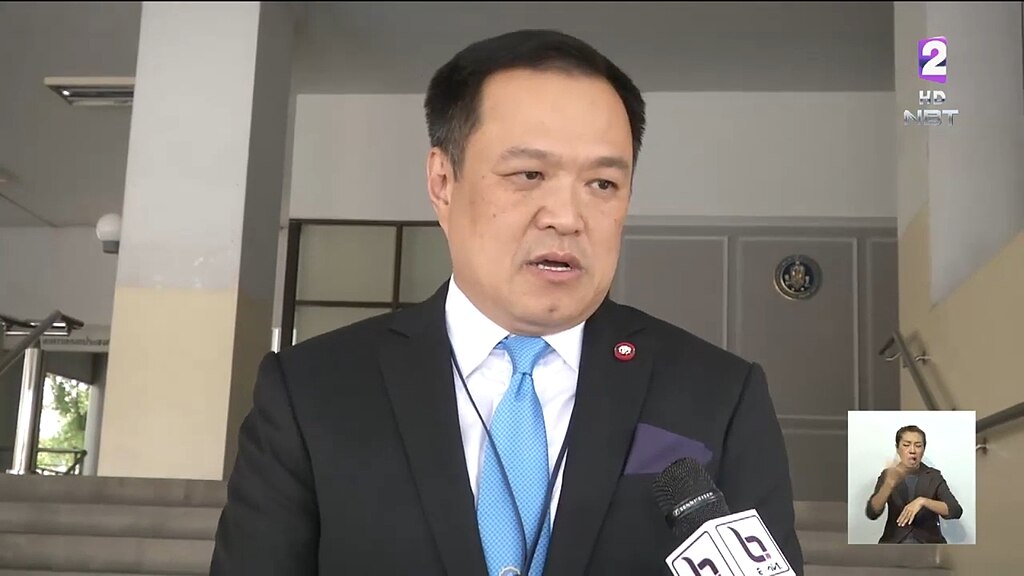
Thailand’s caretaker prime minister Anutin Charnvirakul has vowed to continue military operations along the disputed border with Cambodia, despite claims by U.S. President Donald Trump that a new ceasefire had been brokered between the two Southeast Asian nations. The renewed violence highlights the fragility of peace in a long-running border dispute that has displaced hundreds of thousands of civilians on both sides.
Speaking on Saturday, Anutin said Thailand would “continue to perform military actions until we feel no more harm and threats to our land and people,” underscoring Bangkok’s stance that no formal ceasefire is currently in place. His comments came just hours after Thai fighter jets struck targets along the border, directly contradicting Trump’s announcement that both sides had agreed to halt all shooting following his calls with Thai and Cambodian leaders.
Trump, who previously intervened to stop intense fighting in October, said he had spoken with Anutin and Cambodian Prime Minister Hun Manet, claiming they agreed to “cease all shooting.” However, neither leader confirmed such an agreement publicly. Anutin later emphasized on Facebook that “there has been no agreement on halting anything,” adding that Thailand’s military actions spoke for themselves.
Cambodian leader Hun Manet, meanwhile, said he welcomed a proposal by Malaysian Prime Minister Anwar Ibrahim, the current chair of ASEAN, to halt hostilities starting Saturday evening. Anwar urged both sides to refrain from further military action and announced that an ASEAN observer team, led by Malaysia’s chief of defence forces, would be deployed to monitor the border, with U.S. satellite support assisting oversight efforts.
Fighting has intensified since Monday across multiple points along the 817-kilometer Thailand–Cambodia border, marking some of the heaviest clashes since a brief but violent conflict in July. Thailand suspended a previous ceasefire last month after a Thai soldier was severely injured by a landmine, which Bangkok alleges was newly planted by Cambodian forces, a claim Phnom Penh strongly denies.
According to Thai defense officials, clashes have erupted in seven border provinces, with heavy weapons exchanges forcing Thailand to retaliate. Cambodian authorities accused Thai forces of striking infrastructure and firing artillery from naval vessels. The violence has injured civilians and driven mass displacement, reviving painful memories of past conflicts for many residents who insist the fighting is between governments, not people.













