


 New York Declares Measles Disaster Emergency as Cases Surge
  US Charges Maduro and Wife With Torture Conspiracy
  Saudi Arabia Probes Flydubai Cockpit Attack
  ICC Rules Duterte Fit to Stand Trial in Drug War Case
  RFK Jr. Launches Nationwide Vaccine Safety Review
  Tsai Warns of China’s Sustained Pressure on Taiwan
  OpenAI, Anthropic Back Mandatory AI Breach Reporting in Australia
  Fairshake Backs 32 Pro-Crypto House Candidates
  SEC Investor Reform Validates Barry Silbert’s Tokenization Vision
  Trump Rallies in Texas as Republicans Face Tight Midterm Races
  Zelenskiy Slams US Over Deadly Russian Strikes on Ukraine
  Trump Plans Diesel Tax Relief as Fuel Prices Hit Record Highs
  EU Gives Crypto Platforms Three Months to Remove USDT Under MiCA Rules
  Trump Weighs FBI Probe Into Nolan Wells’ Death
  US, EU Push for Action Against Asia’s Excess Factory Capacity


 Add as a preferred source on Google
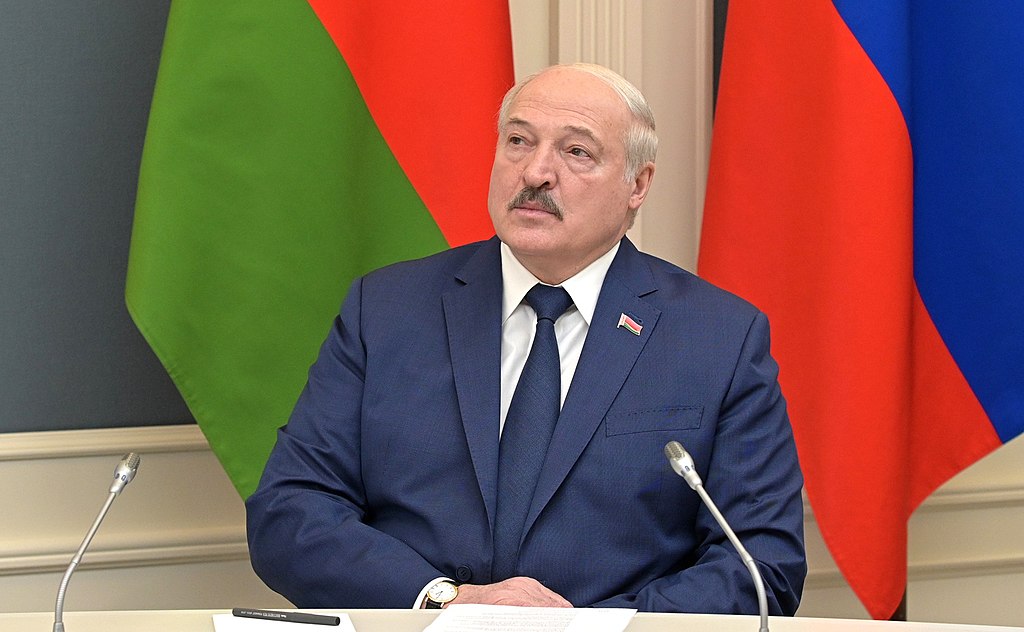
Belarusian President Alexander Lukashenko has released 123 prisoners, including Nobel Peace Prize laureate Ales Bialiatski and prominent opposition leader Maria Kalesnikava, in a major political breakthrough tied to negotiations with the United States. The move came as part of a deal brokered by an envoy of U.S. President Donald Trump, under which Washington agreed to lift sanctions on Belarusian potash exports, a vital sector for the country’s economy and a key component in global fertiliser production.
The mass release marks the largest single freeing of political detainees by Lukashenko since the Trump administration began diplomatic talks with Minsk earlier this year. Belarus, a close ally of Russian President Vladimir Putin, had long been isolated by Western governments due to its violent crackdown on dissent following the disputed 2020 election and its support for Russia’s invasion of Ukraine.
Trump’s envoy, John Coale, told Reuters that negotiations could lead to the release of up to 1,000 remaining political prisoners in the coming months, potentially in one large group. He said that if Belarus were to free all political detainees, most remaining U.S. sanctions could be lifted, calling the arrangement a “fair trade.”
According to officials, nine of the freed prisoners traveled to Lithuania, while 114 were taken to Ukraine. Bialiatski, co-winner of the 2022 Nobel Peace Prize for his long-standing human rights work, appeared visibly aged but relieved as he arrived in Lithuania and reunited with exiled opposition leader Sviatlana Tsikhanouskaya. Speaking to Reuters, he said the broader human rights struggle in Belarus would continue, noting that many people remain imprisoned.
Maria Kalesnikava, a central figure in the 2020 mass protests against Lukashenko, described the moment of freedom as overwhelming joy after years in detention. She was reunited with fellow opposition figures in Ukraine, though some relatives of political prisoners remain behind bars.
U.S. officials say the outreach to Lukashenko is partly aimed at reducing Belarus’s dependence on Moscow. While the exiled Belarusian opposition has welcomed the prisoner releases and credited sanctions for forcing concessions, it continues to urge the European Union to maintain pressure for democratic reforms, accountability, and an end to Belarus’s role in the war in Ukraine.







