


 Luxshare Shares Rise as First-Half Profit Jumps 18%
  34 Australians Missing After Deadly Nepal Floods
  Bessent Defends US Yen Intervention Over Treasury Market Risks
  Pentagon Eyes 100-Year Lease on Venezuela Oil Fields
  Qatar PM Heads to Tehran to Revive Iran-US Diplomacy
  BofA Names ASML Top Semiconductor Equipment Pick on Growth, Valuation
  Trump Administration Pauses Visa Appointments Worldwide
  SK Hynix Shares Fall as Workers Reject Wage Deal
  Trump Administration Weighs Executive Order on Vaccines and Autism Research
  Finland’s Stubb Says Russia Unlikely to Attack NATO
  Tennessee Plans to Rename Nashville Airport After Dolly Parton
  Qatar Pushes Iran Diplomacy as Trump Rules Out Talks
  New Zealand Moves to Ban Social Media for Children Under 16
  Nvidia Reportedly Eyes $13 Billion Hugging Face Acquisition
  Guatemala Receives 2,300 Mexicans Deported From US
  U.S. Probes Apex Logistics Over Nvidia AI Chip Shipments to China
  UN Criticizes US Terror Label for Palestine Action


 Add as a preferred source on Google
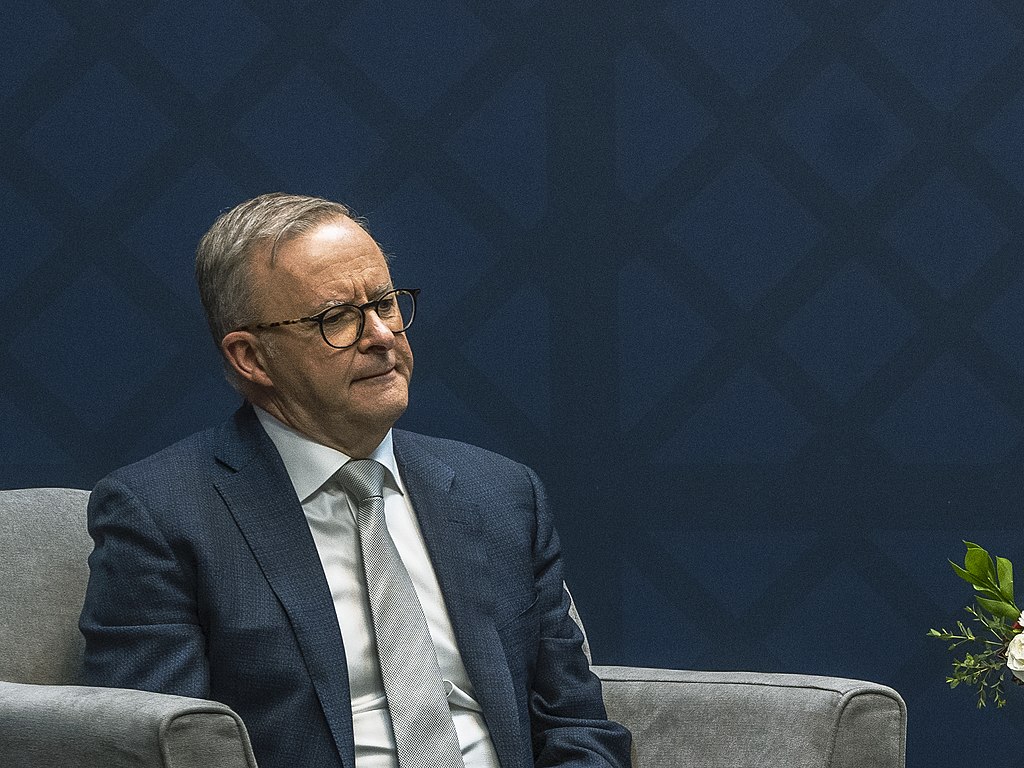
Australia’s groundbreaking ban on social media use for children under 16 has entered its first days with both praise and pushback, as Prime Minister Anthony Albanese acknowledged the rollout would not be flawless. The law, which came into force with bipartisan political support and approval from most Australian parents, requires major platforms including TikTok, Instagram, YouTube, Reddit, and Snapchat to block underage users or face penalties up to A$49.5 million (US$33 million). Despite its immediate impact, social media feeds were quickly filled with posts from supposed under-16s claiming they remained active, highlighting the complexity of enforcing age restrictions online.
Albanese defended the move, noting that removing over a million accounts could not happen overnight but stressing that the reform is aimed at protecting young people and improving wellbeing. The government’s eSafety Commissioner has asked all affected platforms to provide data on underage accounts before and after the ban to measure initial compliance.
The policy has drawn global attention, with governments from France, Denmark, Malaysia, and others considering similar measures. U.S. Senator Josh Hawley praised Australia’s approach, while prominent psychologist Jonathan Haidt applauded the country’s willingness to act on youth mental health concerns. However, critics—including Meta and UNICEF—warn the ban may drive teens toward less regulated online spaces and argue that improved platform design and stronger content moderation are equally essential.
As the law took effect, Australia saw a decade-high surge in VPN searches, suggesting some users may seek to bypass restrictions. Smaller or alternative apps not initially included in the legislation quickly climbed app store rankings, prompting the government to reiterate that the platform list will evolve as needed.
Despite mixed reactions, Albanese maintains the ban will ultimately boost education outcomes, promote healthier social interactions, and safeguard young Australians in an increasingly digital world.







