


 Trump Hints at Possible U.S. Takeover of Cuba Amid Deepening Humanitarian Crisis
  U.S. Senate Greenlights AI Chatbots for Official Staff Use
  Anthropic Sues Pentagon Over AI Blacklist, Citing Free Speech Violations
  Trump Administration Spent $5.6 Billion in Munitions in Opening Days of Iran Strikes
  After the Iran war, Persian Gulf nations face tough decisions on the US – a former diplomat explains
  U.S. and Russia Hold Diplomatic Talks in Florida Amid Ongoing Tensions
  U.S. Calls for Reassessment of International Aid to Taliban-Ruled Afghanistan
  Shots Fired at U.S. Consulate in Toronto in Suspected National Security Incident
  Boeing Secures $289 Million Smart Bomb Contract With Israel
  FBI Warns of Possible Iranian Drone Attacks on California Amid U.S.-Iran War
  Iran Mines Strait of Hormuz: Crude Oil Prices Surge Amid Middle East Tensions
  Venezuela Names Paula Henao as New Oil Minister Amid U.S.-Led Industry Overhaul
  Iran-U.S. Oil Tensions Escalate as Revolutionary Guards Threaten Strait of Hormuz Blockade
  Taiwan's MQ-9B SkyGuardian Drone Order Stays on Schedule Despite Middle East Conflict
  Trump Announces New U.S. Oil Refinery in Texas with Indian Energy Giant Reliance
  IEA Releases Record 400 Million Barrels of Oil Amid U.S.-Iran War


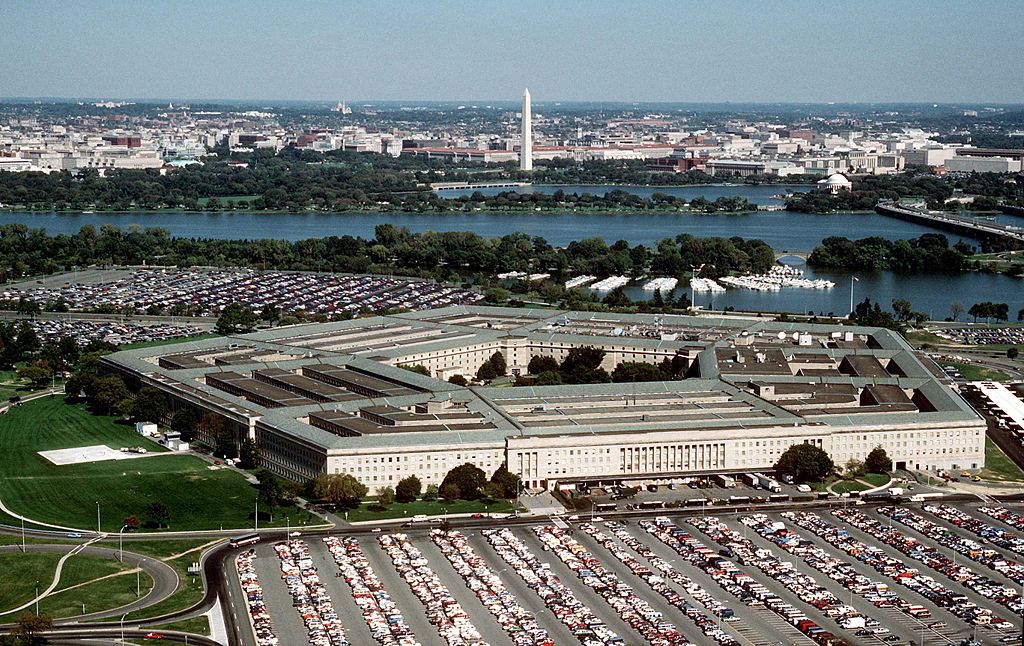
Two U.S. Army soldiers and a civilian interpreter were killed on Saturday during an Islamic State (ISIS) attack in Palmyra, Syria, according to an official statement from the Pentagon. The attack occurred while U.S. forces were actively supporting counterterrorism operations in the region, underscoring the continued threat posed by ISIS despite years of international military pressure.
Pentagon spokesman Sean Parnell confirmed that three additional individuals were wounded in the incident and are receiving medical treatment. The attack highlights the volatile security situation in central Syria, particularly in and around Palmyra, an area that has long been a strategic and symbolic target for ISIS militants. Defense Secretary Pete Hegseth stated that the attacker responsible for the assault was killed by partner forces shortly after the incident.
U.S. military personnel in Syria are primarily deployed to assist local partner forces in preventing the resurgence of ISIS, which once controlled large parts of Syria and Iraq. Although the group no longer holds significant territory, it continues to carry out deadly insurgent attacks, especially in remote desert areas such as Palmyra. The deaths of the U.S. soldiers and the civilian interpreter serve as a stark reminder that ISIS remains capable of launching lethal operations against coalition forces.
The Pentagon did not release the names of the victims pending notification of their families. Officials emphasized that the mission in Syria remains focused on counterterrorism, intelligence sharing, and supporting regional stability. U.S. leaders reiterated their commitment to working with allied and partner forces to ensure ISIS cannot rebuild its operational capabilities.
This latest ISIS attack in Syria is likely to renew debate over the risks faced by U.S. troops deployed in conflict zones and the long-term strategy for counterterrorism operations in the Middle East. As investigations continue, the incident reinforces the ongoing challenges of combating extremist groups and maintaining security in regions still recovering from years of war.













