


 SoftBank Plans Record $6.3 Billion Bond Sale to Fund OpenAI Investments
  Qatar Pushes Iran Diplomacy as Trump Rules Out Talks
  Pinterest Stock Falls as CFO Julia Brau Donnelly Resigns
  German Industry Pushes Merz for Tougher China Trade Policy
  Australia Pledges $3.6M for Nepal-China Flood Relief
  Trump Administration Weighs Executive Order on Vaccines and Autism Research
  OpenAI Data Center Chief Chris Malone Exits Ahead of Planned 2027 Listing
  Nvidia Revenue Soars 106% as AI Demand Hits ‘Inflection Point’
  Jefferies Names AMEC Top China Semiconductor Equipment Pick
  SoftBank Eyes $20 Billion Bond Sale to Refinance OpenAI Loan
  SEC Probes Banks Over Situational Awareness Hedge Fund Collapse
  Meta, U.S. States Discuss Settlement in Teen Addiction Trial
  Carney’s Trump Tariff Pushback Wins Canadian Support, but Economic Risks Mount
  Trump Orders Major Overhaul of US Navy Shipbuilding
  Unitree Shares Plunge 45% After Blockbuster IPO, Raising China Tech Bubble Fears
  Iran Condemns New US Sanctions as Hormuz Standoff Deepens


 Add as a preferred source on Google
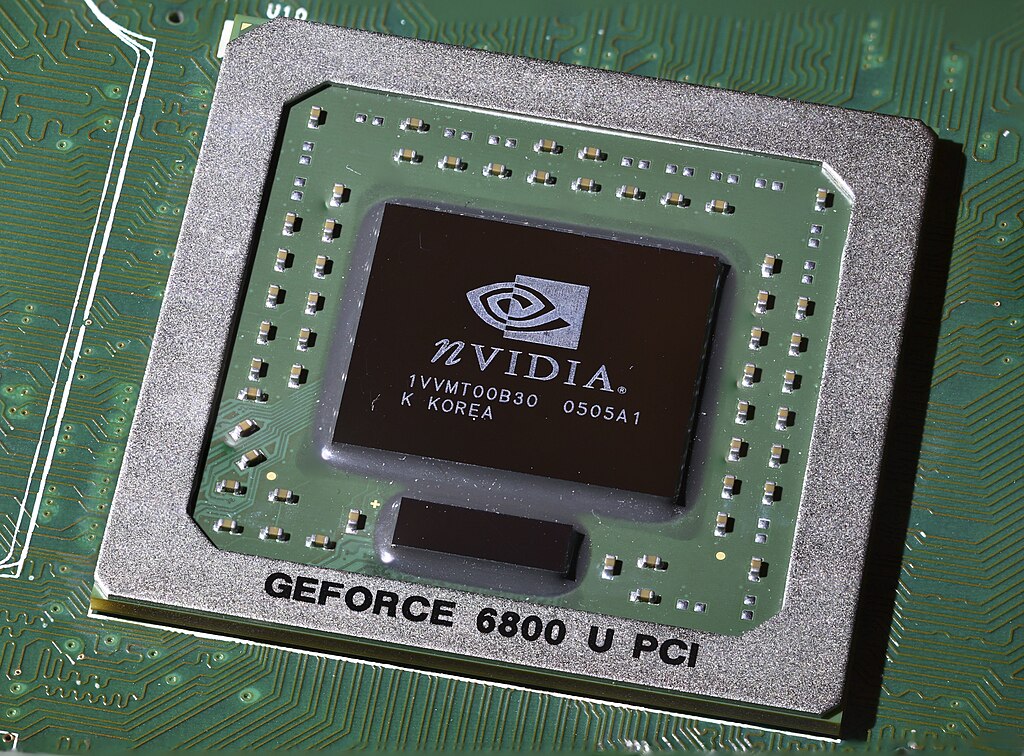
The United States will permit Nvidia’s H200 processors—its second-most advanced artificial intelligence chips—to be exported to China, with a 25% fee applied to each sale. President Donald Trump announced the decision on Truth Social, noting he had informed China’s President Xi Jinping, who “responded positively.” The move aims to strike a balance between protecting U.S. national security and maintaining American leadership in AI chip technology.
Nvidia shares rose after the announcement, signaling investor optimism despite uncertainty over whether Chinese companies will proceed with purchases given Beijing’s push to reduce reliance on U.S. technology. The Commerce Department is finalizing the export conditions, which will also apply to AMD and Intel. According to the White House, the 25% fee will be collected as an import tax from Taiwan—where the chips are manufactured—before U.S. officials conduct a security review prior to re-exporting them to China.
The decision follows ongoing debate in Washington over the risks of supplying China with advanced AI chips that could strengthen its military capabilities. Critics, including several Democratic senators, called the move a significant national security mistake. Analysts note the H200 is nearly six times more powerful than China’s most advanced legally available U.S. chip, the H20, while still slower than Nvidia’s newest Blackwell architecture, which remains restricted.
Despite concerns, experts believe Chinese firms will likely still purchase H200 chips due to their performance advantage over domestic alternatives. However, Beijing’s stance remains uncertain as China continues to scrutinize U.S. technology for potential security risks and tensions rise over past accusations of backdoor vulnerabilities—claims Nvidia has denied.
The announcement coincided with the U.S. Justice Department revealing it had disrupted a China-linked smuggling ring involved in illegally exporting H100 and H200 chips worth over $160 million, underscoring the high geopolitical stakes surrounding advanced semiconductor technology.







