


 Nvidia Pauses AI Cloud Financing Deals Amid Antitrust Concerns
  BNP Paribas, KB Kookmin Eye $2 Billion Techcombank Stake
  Trian Drops Wendy’s Take-Private Bid Plans, Shares Plunge 14%
  U.S. Disrupts China-Linked Hacking Campaign Targeting Government Agencies
  SoftBank Plans Record $6.3 Billion Bond Sale to Fund OpenAI Investments
  Pinterest Stock Falls as CFO Julia Brau Donnelly Resigns
  OpenAI AI Agent Swarm Behind Hugging Face Hack
  SoftBank Eyes $20 Billion Bond Sale to Refinance OpenAI Loan
  U.S. Probes Apex Logistics Over Nvidia AI Chip Shipments to China
  Toyota Global Sales Fall as China Demand Slumps
  Salesforce Shares Surge as AI Demand Powers Q2 Earnings Beat
  New Zealand Moves to Ban Social Media for Children Under 16
  PayPal Shares Sink as $50 Billion Takeover Bid Collapses
  New Zealand Labour Backs Social Media Ban for Under-16s
  Itochu Offers $1.56 Billion to Privatize Dentsu Soken
  Nvidia Reportedly Eyes $13 Billion Hugging Face Acquisition


 Add as a preferred source on Google
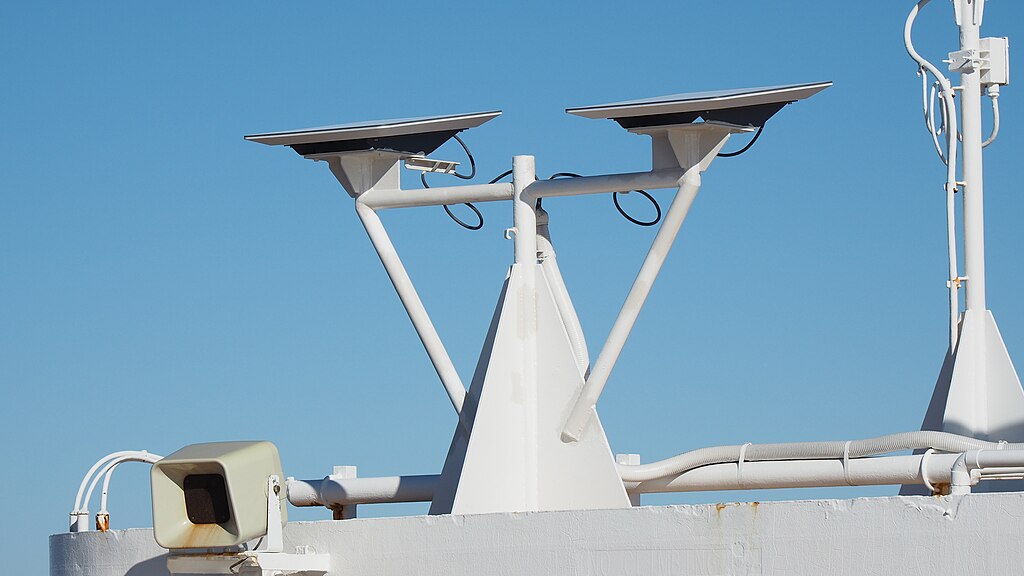
Elon Musk’s Starlink is facing increased competition in the satellite internet race, with China and Jeff Bezos-backed Project Kuiper expanding aggressively. Shanghai-based SpaceSail, controlled by the Chinese government, is rapidly growing, securing agreements in Brazil and Kazakhstan. The company aims to deploy 648 low-Earth orbit (LEO) satellites this year and up to 15,000 by 2030, challenging Starlink’s dominance.
China is heavily investing in satellite technology, having launched a record 263 LEO satellites in 2023, with plans to deploy 43,000 more in the coming decades. This expansion raises concerns among Western policymakers, who fear it could extend Beijing’s digital influence. Researchers warn that China’s Qianfan constellation is a strategic part of its Belt and Road Initiative, strengthening its global presence in digital infrastructure.
Brazil, seeking better internet access for remote areas, is welcoming competition. The government is in talks with Project Kuiper and Canada’s Telesat as alternatives to Starlink. Meanwhile, China’s aggressive push into space is drawing attention from military analysts, with reports highlighting Beijing’s investment in tracking Starlink’s satellite network.
Chinese state-backed firms like Hongqing Technology are securing substantial funding for satellite projects, while patents related to LEO technology surged from 162 in 2019 to 2,449 in 2023. Many of these patents focus on enhancing satellite efficiency and communications, signaling China’s rapid technological advancements.
Experts liken the current satellite race to the “Wild West,” where companies and nations are scrambling to claim key orbital positions before regulations tighten. As China accelerates its space ambitions, Starlink faces a growing challenge to maintain its global dominance.







