


 Wall Street Hits Record High as AI Chip Stocks and Strong U.S. Jobs Data Boost Markets
  Gold Prices Hold Firm as Iran Tensions and Dollar Swings Drive Safe-Haven Demand
  China-Made Fireworks Power U.S. Independence Day Celebrations Amid Trade Truce
  Dollar Weakens as Iran Peace Hopes Boost Risk Appetite and Yen Gains Strength
  Lula and Trump Talks Signal New Phase in Brazil-US Relations
  European Stocks Edge Higher as Iran-U.S. Peace Talks Boost Market Sentiment
  Wall Street Futures Edge Higher as Iran Tensions and AI Optimism Shape Markets
  Japan’s Yen Intervention and BOJ Rate Hike Bets Support Currency Recovery
  US-Iran Ceasefire Under Pressure as Fresh Strait of Hormuz Clashes Shake Oil Markets
  Dollar Slips as Strong U.S. Jobs Data Reduces Fed Rate Cut Expectations
  Russian LNG Shadow Fleet Expands Amid Arctic LNG 2 Sanctions
  Oil Prices Rebound Slightly After Sharp Drop on Iran Deal Hopes
  Asian Currencies Slip as US Dollar Gains on Rising Iran Tensions and Awaited Jobs Data
  S&P 500, Nasdaq Hit Record Highs as AI Stocks Rally and Strong Jobs Data Boost Confidence
  US Trade Court Blocks Trump’s 10% Global Tariffs
  Iran-U.S. Peace Deal Near as Oil Prices Fall and Nuclear Disputes Persist


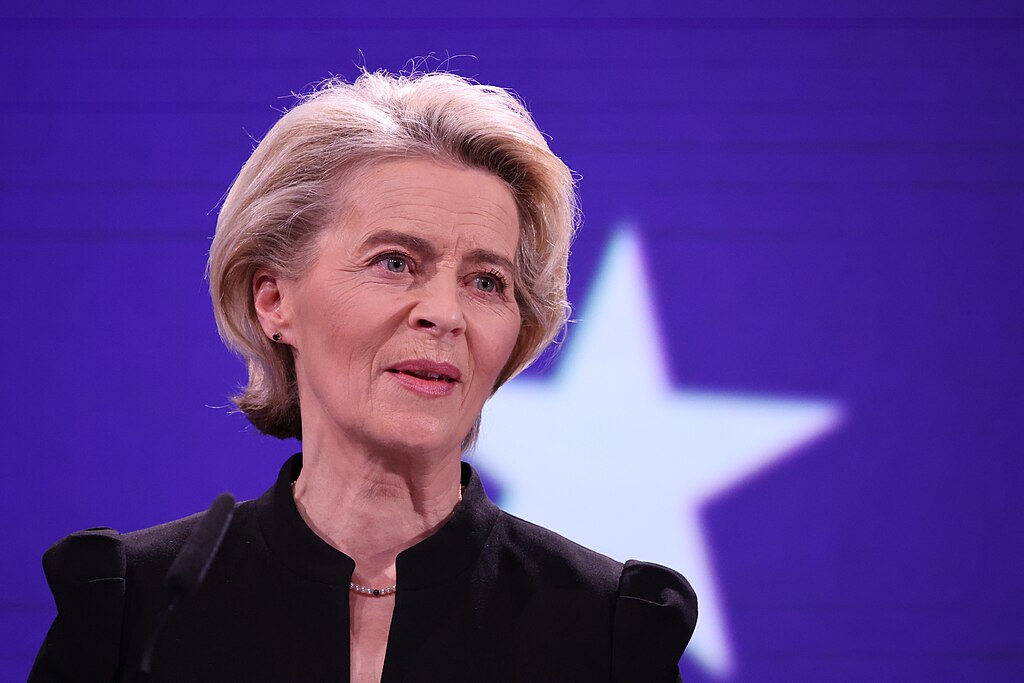
European Commission President Ursula von der Leyen's recent visit to South America aims to finalize the EU-Mercosur trade agreement—a deal 20 years in the making. However, the negotiations have drawn sharp criticism, particularly from France, which vehemently opposes the proposed pact. French President Emmanuel Macron and farmer groups have labeled the deal a direct threat to French agriculture, fueling fears of economic and environmental repercussions.
The EU-Mercosur trade deal promises to create one of the world's largest trading blocs, significantly reducing tariffs on goods such as South American beef and grains. While proponents argue the agreement would open critical markets for European exports, diversify trade partnerships, and secure access to essential minerals for green technologies, French farmers are alarmed by potential market saturation with cheaper agricultural imports. The commodities in question, primarily from Brazil and Argentina, do not align with the EU's stringent environmental and safety standards, further inflaming opposition.
Macron, already embroiled in a domestic political crisis following the collapse of his government, has decried the agreement as "unacceptable." He continues to advocate for stricter safeguards, demanding that South American producers adhere to EU standards and that violations of climate commitments under the Paris Agreement lead to punitive measures. Meanwhile, Macron faces increasing pressure from Germany and other EU states eager to finalize the deal to enhance global trade competitiveness amid ongoing geopolitical shifts.
Despite resistance, the deal appears close to realization. Mercosur negotiators have expressed optimism, and von der Leyen, alongside German Chancellor Olaf Scholz, has reiterated the urgency of concluding the agreement to bolster the EU's credibility as a trading partner. However, France's vocal objections have underscored a broader rift within the EU, pitting economic ambition against agricultural protectionism and environmental integrity.
While the agreement is hailed as a milestone in global trade, its controversial nature underscores the challenges of reconciling diverse interests within the EU. France's isolation on this matter may not derail the pact but raises significant questions about the bloc's ability to balance economic goals with internal dissent and environmental priorities.







