


 NASA and SpaceX Target Crew-11 Undocking From ISS Amid Medical Concern
  Blue Origin New Glenn Explosion Could Delay Launch Operations Until 2028
  Trump and Merck KGaA Partner to Slash IVF Drug Costs and Expand Fertility Coverage
  China vs. NASA: The New Moon Race and What's at Stake by 2030
  Trump Administration to Launch Autism Initiatives Targeting Acetaminophen Use and New Treatment Options
  Cogent Biosciences Soars 120% on Breakthrough Phase 3 Results for Bezuclastinib in GIST Treatment
  Tabletop particle accelerator could transform medicine and materials science
  FDA Adds Fatal Risk Warning to J&J and Legend Biotech’s Carvykti Cancer Therapy
  Neuralink Expands Brain Implant Trials with 12 Global Patients
  SpaceX Pivots Toward Moon City as Musk Reframes Long-Term Space Vision
  Eli Lilly’s Inluriyo Gains FDA Approval for Advanced Breast Cancer Treatment


 Add as a preferred source on Google
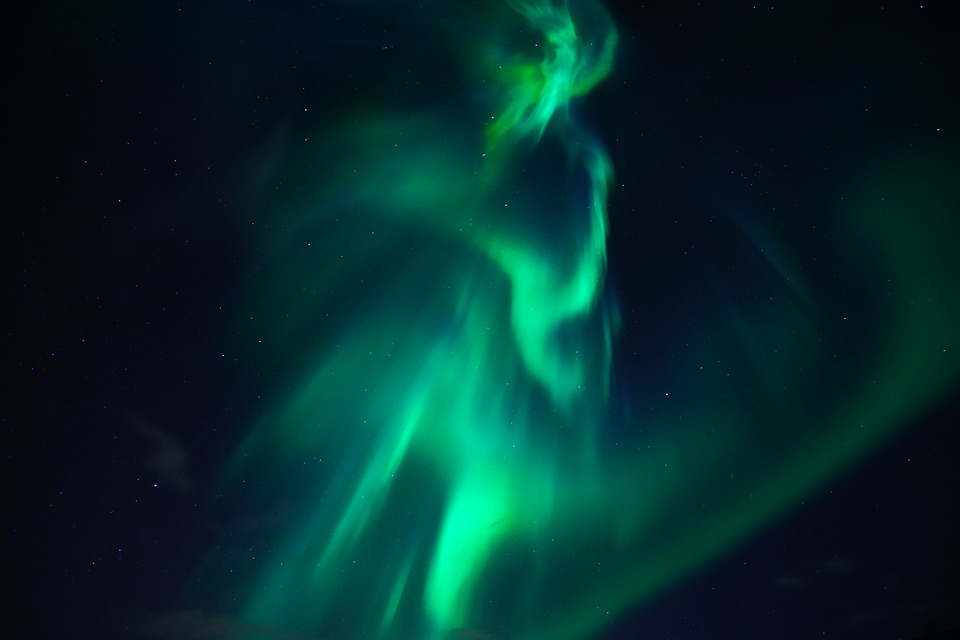
Solar storms occur when holes form in the atmosphere of the sun, releasing particles that travel across the Solar System and even making stops at planets. A report reveals that those particles are making its way to Earth, hitting the planet with solar winds tomorrow.
Express reports that solar winds are expected to hit Earth tomorrow and the day after tomorrow. This could then trigger the formation of aurora borealis also known as the northern lights in the northern hemisphere and aurora australis in the southern hemisphere. According to the Space Weather site, “A minor stream of solar wind is expected to buffet Earth’s magnetic field on May 19th and 20th. The gaseous material is flowing from a small hole in the sun’s atmosphere. Geomagnetic unrest could spark polar auroras.”
Auroras are just one of the side effects of a solar storm hitting Earth. Other effects of a solar storm include disruptions in satellite-based technology such as mobile phones and GPS navigation. This could also result in an overload of electricity in generators and power lines that could cause explosions or power outages, but this rarely ever happens.
In other news, NASA has caused a stir when the agency released images taken of the icy planet Pluto with the use of its New Horizons probe. Around 1,500 images were taken of the surface, but what caught the eyes of scientists was a mysterious, snail-like object that seemed to be moving along the ice. According to astronomer Marc Antonio back in 2016, this discovery was unprecedented given the conditions on Pluto.
Another astronomer Seth Shostak explained that this discovery seemed to turn the laws of science upside down. Dr. Shostak revealed that Pluto is not the most ideal place for life to exist or thrive. The freezing temperatures on the small planet are too extreme to the extent that the human body could freeze in a matter of seconds. Living beings without any skeleton, as Dr. Shostak explained, would collapse. This mysterious object seems to open up the possibility of whether or not life could exist.
The dwarf planet is found to actually be geologically active underneath all the ice.







