


 Federal Judge Restores Funding for Gateway Rail Tunnel Project
  US Pushes Ukraine-Russia Peace Talks Before Summer Amid Escalating Attacks
  Sydney Braces for Pro-Palestine Protests During Israeli President Isaac Herzog’s Visit
  Anutin’s Bhumjaithai Party Wins Thai Election, Signals Shift Toward Political Stability
  Netanyahu to Meet Trump in Washington as Iran Nuclear Talks Intensify
  U.S. Lawmakers to Review Unredacted Jeffrey Epstein DOJ Files Starting Monday
  Trump’s Inflation Claims Clash With Voters’ Cost-of-Living Reality
  Bosnian Serb Presidential Rerun Confirms Victory for Dodik Ally Amid Allegations of Irregularities
  Trump Backs Nexstar–Tegna Merger Amid Shifting U.S. Media Landscape
  New York Legalizes Medical Aid in Dying for Terminally Ill Patients
  China Overturns Death Sentence of Canadian Robert Schellenberg, Signaling Thaw in Canada-China Relations
  Trump Lifts 25% Tariff on Indian Goods in Strategic U.S.–India Trade and Energy Deal
  Japan Election 2026: Sanae Takaichi Poised for Landslide Win Despite Record Snowfall
  Trump Says “Very Good Talks” Underway on Russia-Ukraine War as Peace Efforts Continue
  India–U.S. Interim Trade Pact Cuts Auto Tariffs but Leaves Tesla Out
  Nicaragua Ends Visa-Free Entry for Cubans, Disrupting Key Migration Route to the U.S.
  Taiwan Says Moving 40% of Semiconductor Production to the U.S. Is Impossible


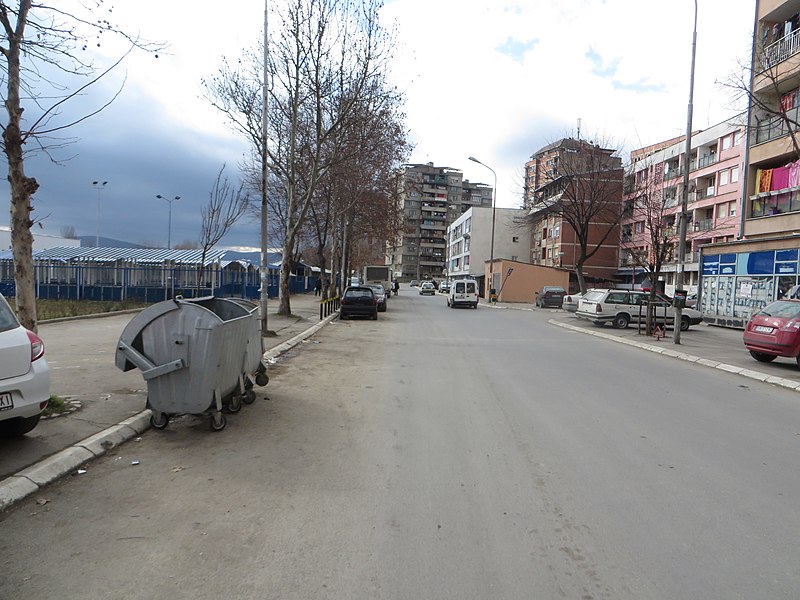
Police officers of the European Union have undertaken patrols in northern Kosovo following the resignation of hundreds of Serb police officers. The mass resignation of the Serb officers follows the license plate dispute between Kosovo and Serbia amid fears by the West that it would restart ethnic violence.
The EU’s 130 police officers from Poland and Italy have begun patrolling northern Kosovo over the weekend. The patrols by EU officers follow the mass resignation of around 600 Serb police officers in protest of the car license plate dispute between Belgrade and Pristina. Serb judges, prosecutors, and other state employees also resigned earlier this month in protest, as Pristina ruled that all the local Serbs must replace their car license plates with ones issued in Kosovo.
Serbia does not recognize Kosovo’s authorities after it declared independence in 2008. Serbs in northern Kosovo also do not recognize Kosovan authorities.
The 130 EU officers are patrolling three municipalities in Kosovo where there is no local police presence. The officers, however, have no powers of arrest, but the bloc wants their presence to fill the security vacuum.
The European Union and the United States are looking to find a solution by Monday as Kosovo’s Prime Minister Albin Kurti said that drivers that still use old Serbia-issued license plates would be fined. Local Serbs have refused to change their license plates. Friday last week, the bloc invited Kurti and Serb President Aleksandar Vucic for urgent talks in Brussels, but neither side has confirmed their attendance.
The US and the EU have urged Kosovo to delay the implementation of the new policy, but Kurti has not signalled his intention to do so.
In other related news, the bloc’s climate policy chief Frans Timmermans warned that the bloc was ready to walk away from climate negotiations if there is no satisfactory outcome. However, Timmermans said he believed a deal could still be made Saturday during the COP27 climate summit in Egypt.
Timmermans also called on the others involved in the negotiations to also make the same efforts to find a deal, especially on the issue of funding poorer countries that have been affected by climate-related calamities.













