


 Trump Lifts 25% Tariff on Indian Goods in Strategic U.S.–India Trade and Energy Deal
  Trump Allegedly Sought Airport, Penn Station Renaming in Exchange for Hudson River Tunnel Funding
  US Pushes Ukraine-Russia Peace Talks Before Summer Amid Escalating Attacks
  Ohio Man Indicted for Alleged Threat Against Vice President JD Vance, Faces Additional Federal Charges
  Japan Election 2026: Sanae Takaichi Poised for Landslide Win Despite Record Snowfall
  U.S. to Begin Paying UN Dues as Financial Crisis Spurs Push for Reforms
  Netanyahu to Meet Trump in Washington as Iran Nuclear Talks Intensify
  Missouri Judge Dismisses Lawsuit Challenging Starbucks’ Diversity and Inclusion Policies
  U.S.-India Trade Framework Signals Major Shift in Tariffs, Energy, and Supply Chains
  Trump Signs Executive Order Threatening 25% Tariffs on Countries Trading With Iran
  U.S. Lawmakers to Review Unredacted Jeffrey Epstein DOJ Files Starting Monday
  Trump Signs “America First Arms Transfer Strategy” to Prioritize U.S. Weapons Sales
  Trump Says “Very Good Talks” Underway on Russia-Ukraine War as Peace Efforts Continue
  Trump’s Inflation Claims Clash With Voters’ Cost-of-Living Reality
  U.S. Announces Additional $6 Million in Humanitarian Aid to Cuba Amid Oil Sanctions and Fuel Shortages
  Trump Endorses Japan’s Sanae Takaichi Ahead of Crucial Election Amid Market and China Tensions


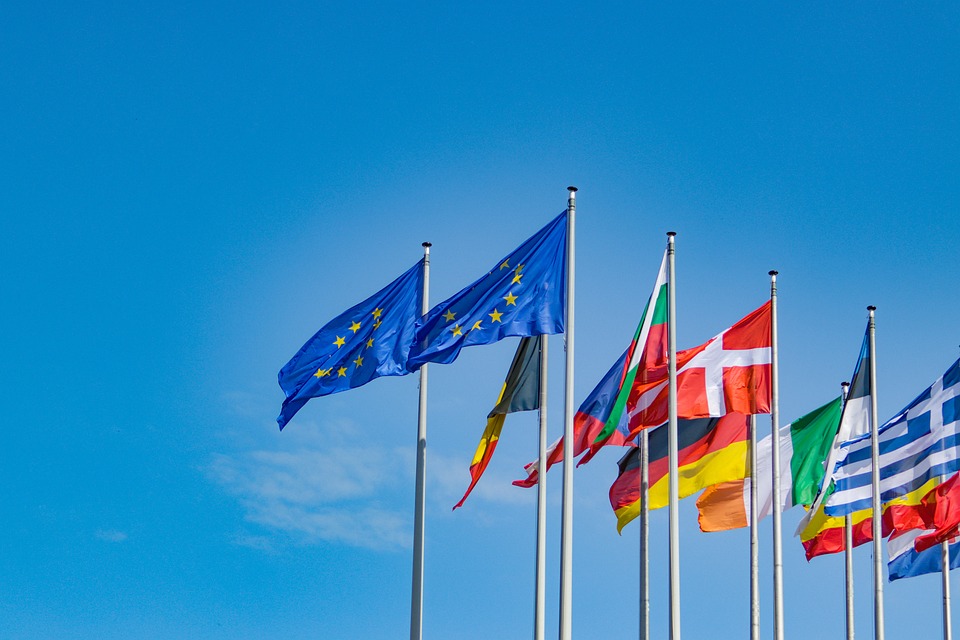
The defense ministers of the countries under the European Union were urged this week to coordinate their purchases of weapons. This comes as the West is rushing to restock its supplies that were depleted from its shipments of arms to Ukraine.
The head of the bloc’s diplomatic service security and defense division, Stijn Mols, told the European Parliament committee Wednesday the urgency of replenishing stocks of weapons to restore the readiness of European troops. This follows the rush by Western countries to replenish their stocks of weapons, prompting suppliers to ramp up production to meet demands.
“It is urgent to restore the readiness of our European armed forces and replenish depleted stocks,” said Mols.
As the bloc’s defense ministers are set to meet on November 15, Mols said he hoped they would present substantial proposals for coordinated weapons purchases. Mols said EU countries need air and missile defense, anti-tank and artillery systems, as well as drones. The bloc is looking for around 5-7 “emblematic projects” to coordinate weapons purchases by member countries.
Defense purchases among EU countries are rarely done in a coordinated manner, as countries are eager to support their local industries.
“It is now really the occasion for all of us to set aside these long-standing…national interests,” said Mols.
Meanwhile, the bloc’s regulators said they are considering extending easier state-aid rules due to the ongoing war in Ukraine, allowing governments to support businesses that were affected because of the war until the end of 2023, according to competition chief Margrethe Vestager. The rules were first introduced in March and were revised in May.
The EU’s executive branch is looking to receive feedback from countries on public guarantees that they can provide to energy firms to cover the financial collateral or their trading activities to offset the high market prices and volatility. EU governments are also being asked how the rules could be more flexible to allow them to provide faster and more effective support to companies that are facing high energy bills.
Vestager said the European Commission has so far given the go signal on several billions of euros in state aid.













