


 Asian Currencies Mixed as Yen Weakens, RBA Hike Looms
  Australia Inflation Accelerates to 4% After RBA Rate Hike
  Fed’s Williams Signals One More Rate Hike Before Year-End
  U.S. Stock Futures Fall as Iran, Oil and AI Risks Rattle Markets
  Gold Prices Slip as High Treasury Yields Weigh on Bullion
  RBA Hikes Interest Rate to 4.60% as Inflation Risks Rise
  Asian Stocks Rise as Bond Yields Ease Ahead of U.S. Inflation Data
  BOJ Set for Rate Hike as Inflation and Yen Pressure Mount
  Gold Rebounds as Oil Falls and Treasury Rout Eases
  Fed’s Hammack Says Bond Yield Surge Is Not Driven by Inflation Fears
  BlackRock’s Rick Rieder Favors Bonds Over Stocks as Treasury Yields Surge
  Gold Holds Near Seven-Week Low as Fed Rate Hike Bets Rise
  Yen in Focus as BOJ, Fed Rate Hikes Reshape Currency Markets


 Add as a preferred source on Google
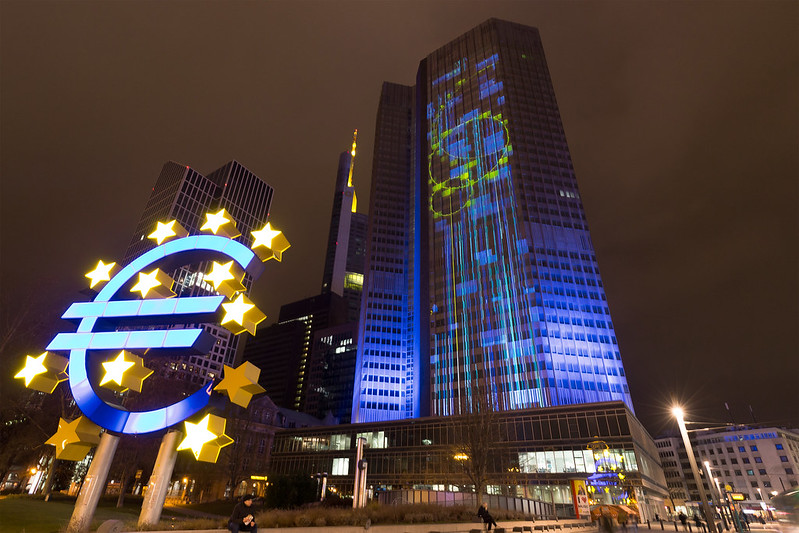
European Central Bank (ECB) Executive Board Member Isabel Schnabel stated that current interest rates are well-positioned, even as euro zone inflation is expected to dip in the coming years. Speaking at a recent seminar, Schnabel emphasized that the ECB sees the anticipated decline in inflation—projected to reach 1.6% by 2026—as a temporary effect driven by lower energy prices and a stronger euro.
According to Schnabel, these short-term fluctuations do not warrant a change in the central bank’s medium-term inflation outlook, which remains at the ECB’s 2% target. “It is a clear case of looking through temporary deviations,” she said, reaffirming the ECB’s confidence in its current monetary policy stance.
Over the past year, the ECB has implemented eight interest rate cuts, with the latest in June bringing the deposit rate down to 2%. This steady rate-cutting cycle reflects the bank’s effort to support economic growth while steering inflation back to its target.
Despite this, some market analysts and investors anticipate one more potential rate cut by year-end, possibly lowering the deposit rate to 1.75%. However, Schnabel’s remarks suggest the ECB may hold firm, prioritizing long-term inflation stability over short-term price dips.
The ECB’s current position balances concerns over economic momentum and the need to maintain credibility in managing inflation. As the euro strengthens and energy prices normalize, policymakers appear focused on the bigger picture rather than reacting to transient data.
This strategic approach reinforces the ECB’s message of stability and patience in monetary policy, aiming to guide the euro area economy toward sustainable growth while keeping inflation expectations anchored.







