


 Asia-Pacific Banks Brace for Rising Credit Risks Amid Iran Conflict
  Japan Considers Extra Budget Aid Amid Rising Fuel and Utility Costs
  Anthropic Nears $30 Billion Funding Round at $900 Billion Valuation
  EQT Launches $3.76 Billion Take-Private Deal for Kakaku.com as Shares Surge
  Honda Shares Jump as Automaker Forecasts Profit Recovery Despite Historic Loss
  Google promotes ‘teacher approved’ apps for kids. Here’s what parents should know
  Want to cut your energy bills? Here’s how five experts are doing it
  Columbia Student Mahmoud Khalil Fights Arrest as Deportation Case Moves to New Jersey
  Nidec Shares Plunge After Quality Inspection Misconduct Allegations
  Trump Pushes China Market Access During High-Stakes Xi Summit
  Britain has almost 1 million young people not in work or education – here’s what evidence shows can change that
  Every generation thinks they had it the toughest, but for Gen Z, they’re probably right
  BOJ Rate Hike Expectations Grow as Board Member Signals Hawkish Stance
  U.S. Urges China to Help Curb Iran’s Actions in Gulf, Rubio Says
  Asian Stocks Edge Higher as Tech Shares Rise Ahead of Trump-Xi Beijing Summit


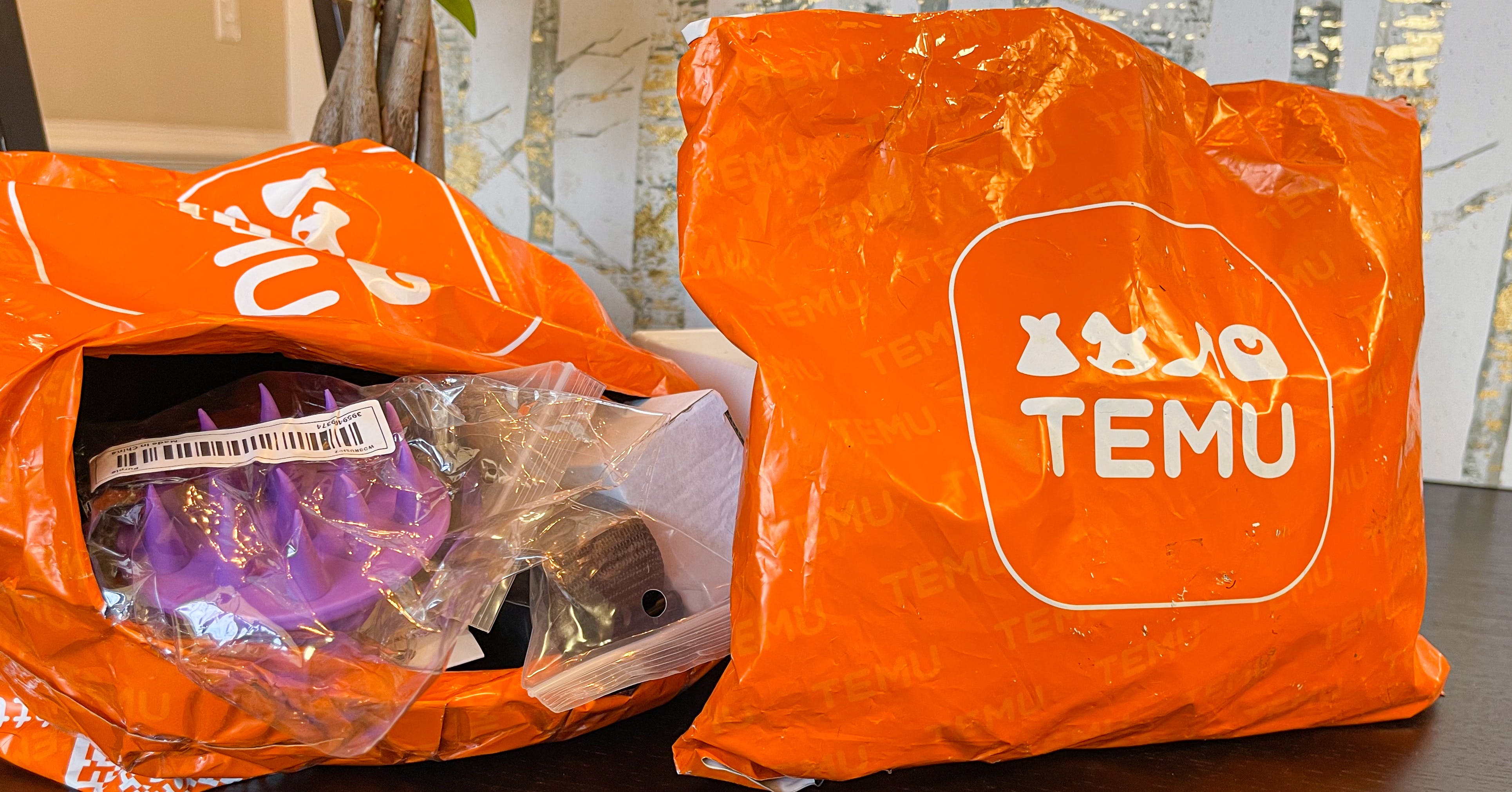
Boston-based e-commerce platform Temu has started selling to European markets including The Netherlands, France, Germany, Italy, Spain, and the UK, after a successful US launch.
The Temu.com website now includes all of these markets on its location drop-down menu.
The e-commerce platform also serves Canada, Australia and New Zealand.
Temu, owned by PDD Holdings and the sister site of Chinese discount e-commerce platform Pinduoduo, was launched in the US in September, selling shoes, beauty accessories, jewelry, and home goods directly from Chinese merchants for very low prices.
Temu was downloaded 19 million times in the US in the first quarter, becoming the most downloaded app on Apple and Google Play stores in the US, according to mobile intelligence firm Sensor Tower.
The platform’s gross merchandise valu grew from $3 million in September to $192 million in January, according to data firm YipitData.







