


 Meta, U.S. States Discuss Settlement in Teen Addiction Trial
  Apple’s Phil Schiller Steps Back as Leadership Shake-Up Accelerates
  Nvidia Options Price in $280 Billion Earnings Swing
  Google Changes EU Spam Policy Amid Antitrust Scrutiny
  Luxshare Shares Rise as First-Half Profit Jumps 18%
  Nvidia Reportedly Eyes $13 Billion Hugging Face Acquisition
  HP Stock Drops 9% Despite Q3 Earnings Beat and Raised 2026 Outlook
  SpaceX Mobile Network Could Cost Up to $130 Billion, Bernstein Says
  Nvidia Pauses AI Cloud Financing Deals Amid Antitrust Concerns
  U.S. Probes Apex Logistics Over Nvidia AI Chip Shipments to China
  New Zealand Labour Backs Social Media Ban for Under-16s
  SoftBank Eyes $20 Billion Bond Sale to Refinance OpenAI Loan
  Salesforce Shares Surge as AI Demand Powers Q2 Earnings Beat
  PayPal Shares Sink as $50 Billion Takeover Bid Collapses
  OpenAI AI Agent Swarm Behind Hugging Face Hack


 Add as a preferred source on Google
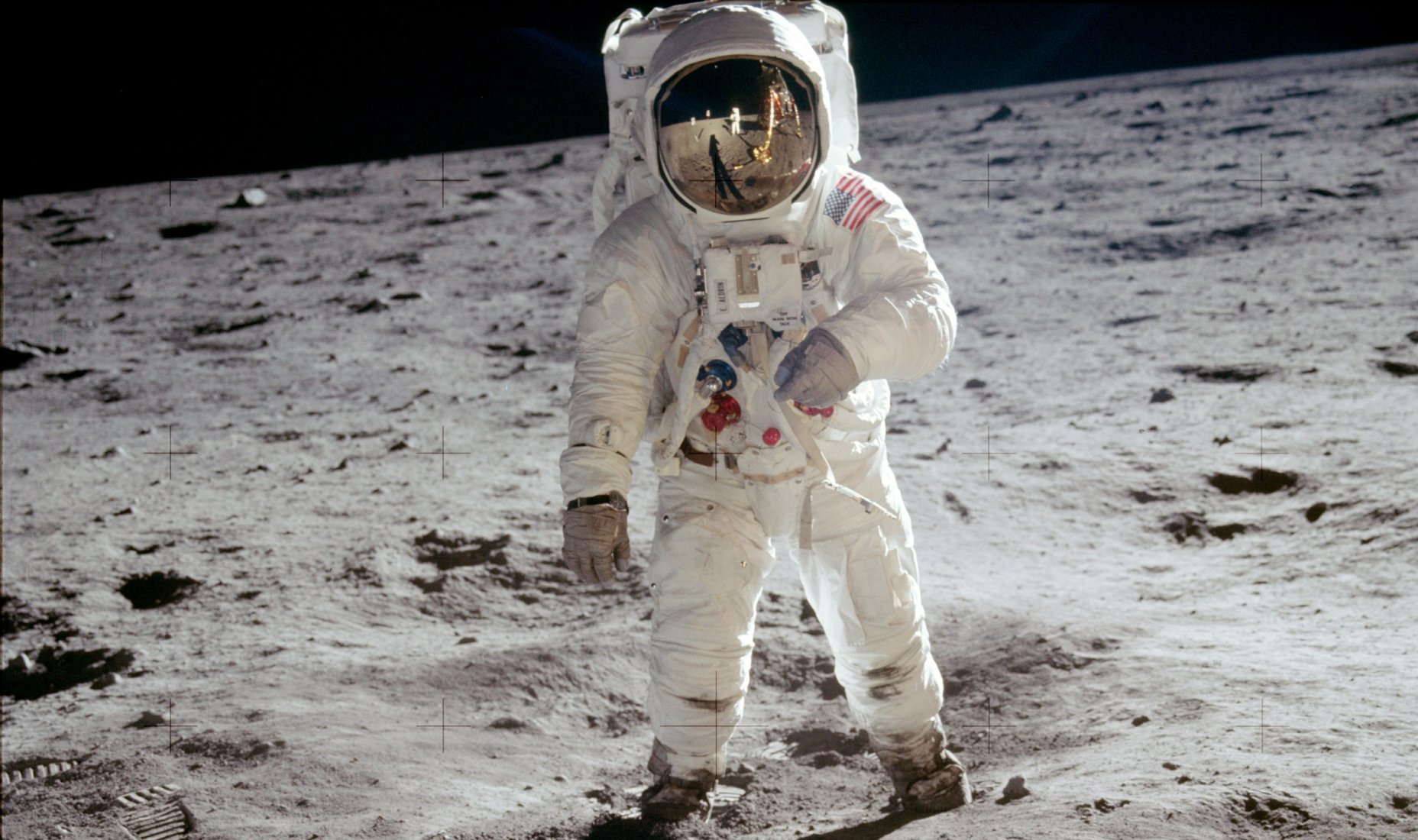
Space is a dangerous place with radiation, flying debris, and the lack of oxygen being just some of the most commonly showcased threats to space travelers by pop culture. However, it seems that none of these factors can hold a candle to dust in terms of which hazard poses the biggest risk to explorers. At least, this would be the case for those who will travel to the Moon and Mars.
In a recent study, it was found that dust on the earth’s biggest satellite and the red planet can come with significantly deadlier properties than those found on Earth. Not only are they tinier and dryer, which makes disturbing them alarmingly easy, they are also more likely to enter every available human orifice.
These include the eyes, the nose, the mouth, the ears, and even the skin. This is bad news for astronauts because it also turns out that dust from the Moon can cause cellular damage and could even mess with DNA. Scientists found this out after conducting tests in a lab, which is even more disturbing when coupled with the fact that the Apollo Moon missions saw astronauts bring dust onboard their space capsules after walking on the surface of the moon for hours at a time.
Apparently, they brought in so much dust that the landers would look like coal mines. That’s a glamorous detail left out of the legend, which is a huge mistake.
With plans for colonizing Mars in the minds of influential companies and revolutionaries like Elon Musk, keeping these kinds of hazards in mind is incredibly important. As Futurism points out, dust storms on Mars can cover the entire planet and keep on swirling for almost an entire month. Air filtration systems might not be enough to protect colonizers from them either due to their small sizes.
The dust can even affect equipment since they can stick to anything electronic, which can then cause havoc. Overheating and loss of conduction are just some of the things that astronauts will then have to contend with if they plan on staying on Mars for more than a few weeks.







