


 TikTok Nears $400 Million Settlement With Trump Administration Over Child Privacy Lawsuit
  Trump Invites Top CEOs Including Nvidia, Apple, Boeing to China Summit With Xi Jinping
  Germany Rejects Putin’s Proposal for Schroeder to Mediate Ukraine Peace Talks
  Ukraine-Russia Ceasefire Confirmed as Prisoner Swap Deal Advances
  Russian LNG Shadow Fleet Expands Amid Arctic LNG 2 Sanctions
  US Revises UN Resolution on Iran Strait of Hormuz Attacks Amid Russia-China Opposition
  Trump-Xi Beijing Summit to Focus on Trade, Taiwan, and Boeing Deal
  Russia Accuses Ukraine of Ceasefire Violations Amid Drone and Artillery Attacks
  Australia’s Wealthy Donors Shift Support to One Nation Amid Conservative Party Decline
  Mexico President Claudia Sheinbaum Reconsiders Early School Closure Plan Ahead of 2026 World Cup
  Lula and Trump Talks Signal New Phase in Brazil-US Relations
  China-Made Fireworks Power U.S. Independence Day Celebrations Amid Trade Truce
  Trump Announces Russia-Ukraine Ceasefire for May 9-11 Amid Ongoing Peace Talks
  Trump Administration Releases New UFO Files and Apollo Mission Records
  Judge Rules DOGE Humanities Grant Cuts Unconstitutional
  Qatar Condemns Drone Strike as Iran Conflict Threatens Gulf Shipping and Global Markets
  Iran Military Readiness Intensifies After Meeting With Mojtaba Khamenei


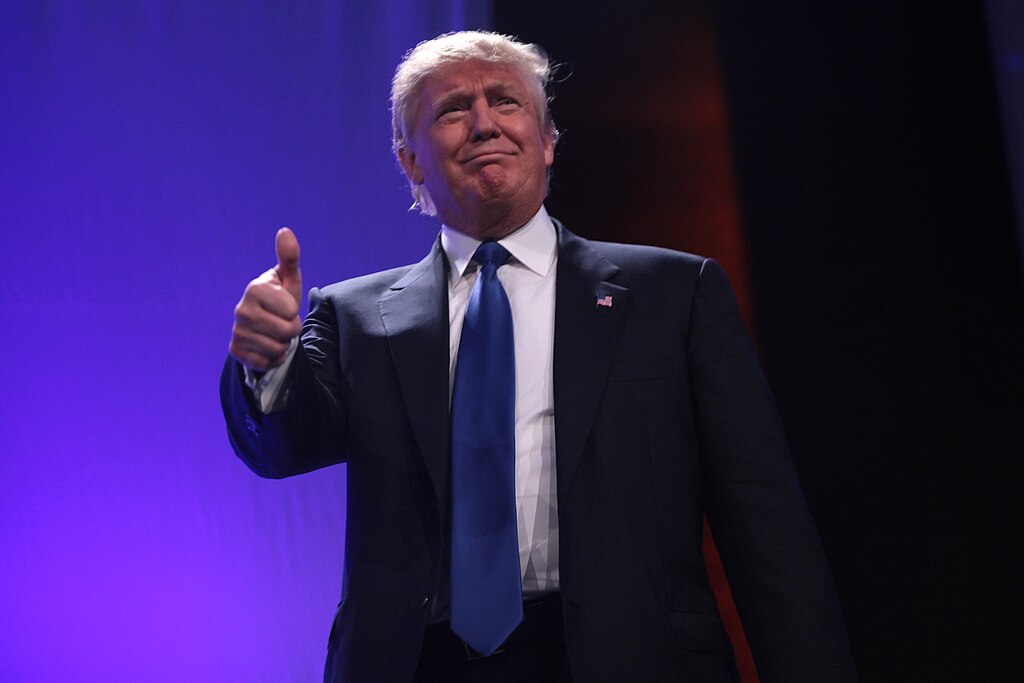
As President Donald Trump embarks on his second term in January 2025, his administration is poised to make significant judicial appointments that could reshape the federal judiciary for decades. Building upon his first-term legacy of appointing 234 federal judges, including three Supreme Court justices, Trump aims to further solidify a conservative judicial philosophy across the nation's courts.
Supreme Court Prospects
With the potential for additional vacancies on the Supreme Court, Trump's shortlist reportedly includes staunch conservatives committed to originalist interpretations of the Constitution. Legal analysts suggest that such appointments could entrench a conservative majority, influencing rulings on pivotal issues like abortion, gun rights, and executive power.
Lower Court Appointments
Beyond the Supreme Court, the administration is expected to focus on filling vacancies in the U.S. Courts of Appeals and District Courts. Emphasizing candidates with strong conservative credentials, the goal is to ensure that judicial decisions align with the administration's policy objectives. This strategy reflects a departure from traditional reliance on the Federalist Society, as Trump seeks judges who demonstrate unwavering loyalty to his agenda.
Controversial Nominations
Among the anticipated nominees is Representative Matt Gaetz for Attorney General, a choice that has sparked considerable debate. Gaetz's nomination faces scrutiny due to past allegations and his outspoken political stance, raising concerns about the politicization of the Department of Justice. Senate Republicans are reportedly divided over the confirmation, with some expressing reservations about the potential impact on the department's integrity.
Public Reaction
The administration's judicial appointment strategy has elicited a spectrum of reactions:
-
@LegalEagle: "Stacking the courts with loyalists undermines judicial independence. This sets a dangerous precedent."
-
@ConservativeVoice: "Finally, a president committed to restoring constitutional principles in our judiciary. Long overdue!"
-
@JusticeForAll: "Concerned about the erosion of checks and balances. The judiciary must remain impartial."
Conclusion
President Trump's 2025 judicial appointment plans signal a concerted effort to influence the federal judiciary's direction for generations. While supporters applaud the move toward conservative jurisprudence, critics warn of potential threats to judicial independence and the balance of powers. As the nomination process unfolds, the nation watches closely, aware of the profound implications these appointments hold for the future of American law and governance.







