


 Mexico President Claudia Sheinbaum Reconsiders Early School Closure Plan Ahead of 2026 World Cup
  Trump-Xi Beijing Summit to Focus on Trade, Taiwan, and Boeing Deal
  U.S.-China Beef Trade Deal Hopes Rise Ahead of Trump-Xi Summit
  China-Made Fireworks Power U.S. Independence Day Celebrations Amid Trade Truce
  Malaysia Unveils Energy Security Plan Amid Iran Conflict and Rising Oil Costs
  Judge Rules DOGE Humanities Grant Cuts Unconstitutional
  Australia’s Wealthy Donors Shift Support to One Nation Amid Conservative Party Decline
  Pope Leo Calls for Peace as Vatican Seeks Better Ties With U.S.
  Israeli Strikes in Gaza Kill Three as Ceasefire Tensions Continue
  Ukraine-Russia Ceasefire Confirmed as Prisoner Swap Deal Advances
  Qatar Condemns Drone Strike as Iran Conflict Threatens Gulf Shipping and Global Markets
  Israel’s Secret Iraq Base Allegedly Supported Iran Air Campaign, WSJ Reports
  Vietnam Plans AI-Driven Propaganda Push With Influencers and Podcasts
  U.S., South Korea Launch Shipbuilding Partnership Initiative
  Judge Delays SEC Settlement With Elon Musk Over Twitter Stock Disclosure Case
  Russia Accuses Ukraine of Ceasefire Violations Amid Drone and Artillery Attacks
  TikTok Nears $400 Million Settlement With Trump Administration Over Child Privacy Lawsuit


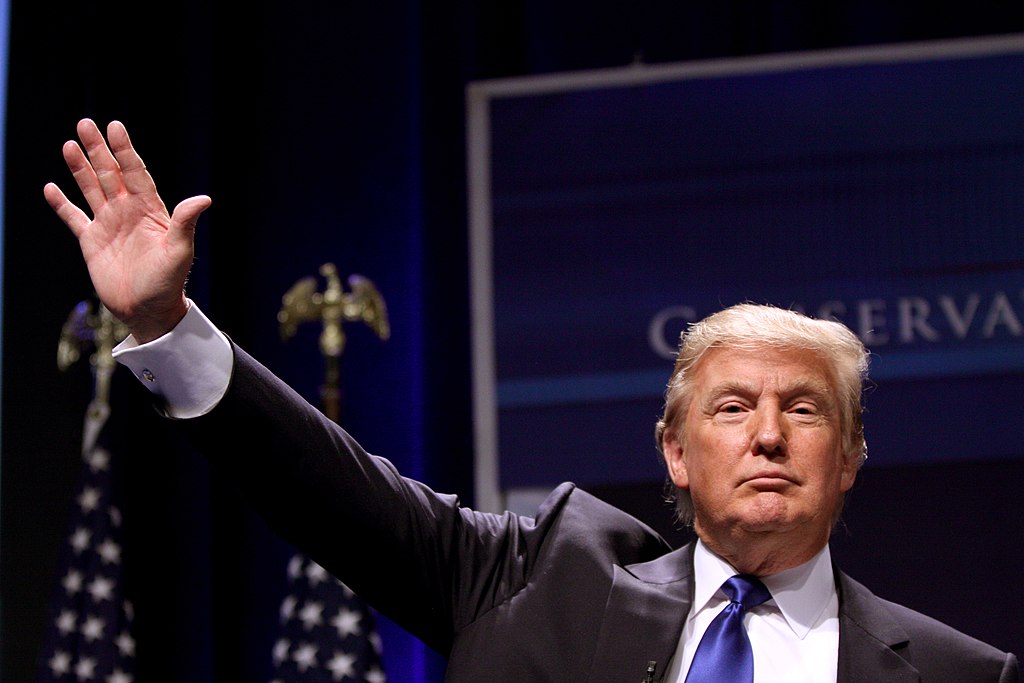
As President Donald Trump prepares to begin his second term in January 2025, the dynamics between the executive branch and Congress are poised for significant challenges. The Republican Party holds a slim majority in the House of Representatives, with 218 seats secured and four races still undecided. This narrow margin raises concerns about the administration's ability to implement its policy agenda effectively.
Cabinet Nominations Stir Controversy
President-elect Trump has announced several high-profile cabinet nominations that have sparked debate within Congress. Notably, the nomination of Matt Gaetz for Attorney General has been met with resistance due to his controversial political history and an ongoing House Ethics investigation. Senate Republicans are divided on whether to demand access to the ethics report on Gaetz, which House Speaker Mike Johnson has requested not to release. This division underscores the complexities facing the administration in securing confirmations for its nominees.
Legislative Agenda Faces Hurdles
The administration's legislative priorities, including key budget and debt ceiling decisions, may encounter significant challenges due to the slim House majority. The potential for internal party disagreements and the necessity for bipartisan support could impede the passage of critical legislation. Additionally, the temporary reduction in Republican representation, as members assume roles within the administration, necessitates special elections that might not conclude until April, further complicating the legislative process.
Public Reaction
The unfolding political landscape has elicited varied responses from the public:
-
@PoliticalObserver: "Trump's cabinet picks are a bold move, but the slim House majority could spell trouble for his agenda."
-
@CivicEngage: "Concerned about the potential for gridlock in Congress. We need cooperation, not conflict."
-
@PolicyAnalyst: "The administration's approach to nominations and legislation will be a true test of political strategy."
Conclusion
As President Trump prepares to navigate his second term, the interplay between the executive branch and a narrowly divided Congress will be pivotal in shaping the nation's policy direction. The administration's ability to secure confirmations for its nominees and advance its legislative agenda amidst internal and external challenges remains a critical focal point in the evolving political landscape.







