


 Lavrov Claims U.S. Seeks Control Over Damaged Nord Stream Pipelines
  Ukraine-Russia War: Frontline Updates as Spring Offensive Looms
  WTO Reform Talks Begin in Cameroon Amid Global Trade Tensions
  Russia Strikes Kharkiv and Izmail as Cross-Border Drone War Escalates
  California Renames Cesar Chavez Day to Farmworkers Day Following Sexual Abuse Allegations
  Russia Accused of Helping Iran Target U.S. Forces, European Powers Tell G7
  God on their side: how the US, Israel and Iran are all using religion to garner support
  Trump Signs Executive Order to Pay TSA Workers Amid Airport Security Crisis
  G7 Summit 2026: South Africa Excluded Amid U.S. Pressure, Kenya Invited Instead
  Israeli Airstrike Targets Building in Beirut's Southern Suburbs Amid Ongoing Hezbollah Conflict
  Jay Bhattacharya to Continue Leading CDC as White House Searches for Permanent Director
  Maduro Faces Rare Narcoterrorism Charges in U.S. Court
  U.S. Praises Kurdistan's Role in Oil Markets Amid Iran War Fallout
  FEMA Reinstates $1 Billion Disaster Prevention Grant Program After Court Order
  Trump Seeks Quick End to U.S.-Iran Conflict Amid Ongoing Middle East Tensions
  SMIC Allegedly Supplies Chipmaking Tools to Iran's Military, U.S. Officials Warn


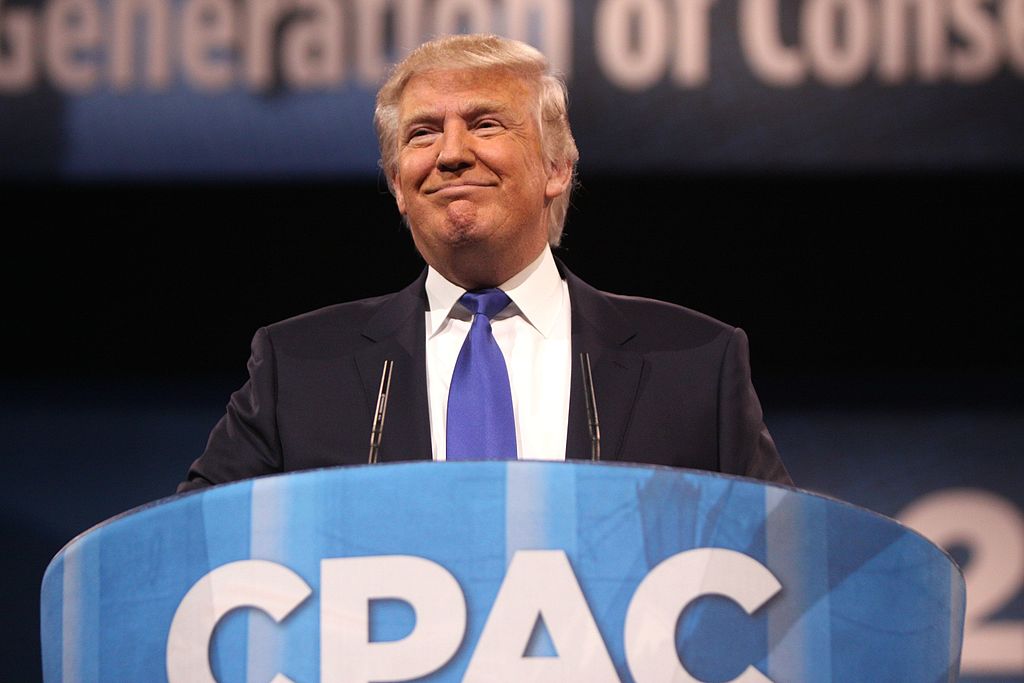
Former President Donald Trump and his supporters have long championed the idea of a “deep state” working covertly against his presidency. According to this theory, an entrenched network of bureaucrats, intelligence officials, and government insiders has actively sought to undermine his authority, block his policies, and disrupt his administration’s efforts to "drain the swamp."
Supporters of the theory argue that this shadowy group operates outside of the democratic process and is responsible for obstructing Trump's agenda. They claim that individuals within key institutions—such as the FBI, CIA, and State Department—have worked to sabotage his presidency. From alleged efforts to derail his campaign in 2016 to the investigations that plagued his time in office, the concept of a "deep state" is a rallying cry for those who believe Trump has faced unfair and often malicious resistance from within his own government.
ECONOTIMES cannot independently verify the existence of a coordinated "deep state" effort against Donald Trump. The theory remains a subject of debate and speculation, with many commentators and media outlets having explored and debunked claims of an organized effort.
Throughout Trump’s presidency, this theory has been invoked frequently in the face of investigations and controversies, including the Mueller probe into Russian interference in the 2016 election, the impeachment proceedings, and various leaks from within the administration. Trump supporters argue that these actions are clear signs of a coordinated effort to undermine his presidency. According to this belief, the "deep state" consists of career officials and political appointees from previous administrations, loyal to a status quo that Trump sought to dismantle.
Critics of the theory, including many within the media, argue that the idea of a "deep state" is a conspiracy designed to deflect blame from Trump’s political challenges. They assert that government officials are simply following established procedures and checks and balances, rather than engaging in sabotage. Investigations into Trump’s administration, they argue, were initiated based on legitimate concerns about corruption, national security, and other issues.
Still, the idea of a "deep state" resonates with Trump’s base, who see him as a political outsider attempting to take on a corrupt system that benefits elites. Trump's repeated assertions of being undermined by hidden forces within the government help fuel his populist message, portraying him as a victim of entrenched power that does not want to relinquish control.
As the 2024 election looms, Trump is expected to double down on the "deep state" narrative as part of his campaign strategy. His messaging will likely focus on the need to purge Washington of bureaucratic forces he believes are working against the interests of the American people. Whether this theory continues to gain traction or is further debunked by analysts, its impact on Trump’s political strategy and his base’s perception of government institutions cannot be denied.
In the months ahead, the "deep state" debate will likely intensify, further dividing those who view it as a legitimate concern from those who see it as a baseless conspiracy. For Trump, however, the narrative remains a powerful tool to frame his battles against Washington insiders as a fight for the soul of America.







