


 Israeli Strikes in Gaza Kill Three as Ceasefire Tensions Continue
  Trump-Xi Beijing Summit to Focus on Trade, Taiwan, and Boeing Deal
  US Revises UN Resolution on Iran Strait of Hormuz Attacks Amid Russia-China Opposition
  Mexico President Claudia Sheinbaum Reconsiders Early School Closure Plan Ahead of 2026 World Cup
  Judge Rules DOGE Humanities Grant Cuts Unconstitutional
  U.S.-China Beef Trade Deal Hopes Rise Ahead of Trump-Xi Summit
  Israel’s Secret Iraq Base Allegedly Supported Iran Air Campaign, WSJ Reports
  Malaysia Unveils Energy Security Plan Amid Iran Conflict and Rising Oil Costs
  China-Made Fireworks Power U.S. Independence Day Celebrations Amid Trade Truce
  Trump Announces Russia-Ukraine Ceasefire for May 9-11 Amid Ongoing Peace Talks
  Qatar Condemns Drone Strike as Iran Conflict Threatens Gulf Shipping and Global Markets
  Pope Leo Calls for Peace as Vatican Seeks Better Ties With U.S.
  Trump Inspects Lincoln Memorial Reflecting Pool Renovation in Washington
  U.S., South Korea Launch Shipbuilding Partnership Initiative
  Russia Accuses Ukraine of Ceasefire Violations Amid Drone and Artillery Attacks
  Trump Administration Releases New UFO Files and Apollo Mission Records
  Germany Rejects Putin’s Proposal for Schroeder to Mediate Ukraine Peace Talks


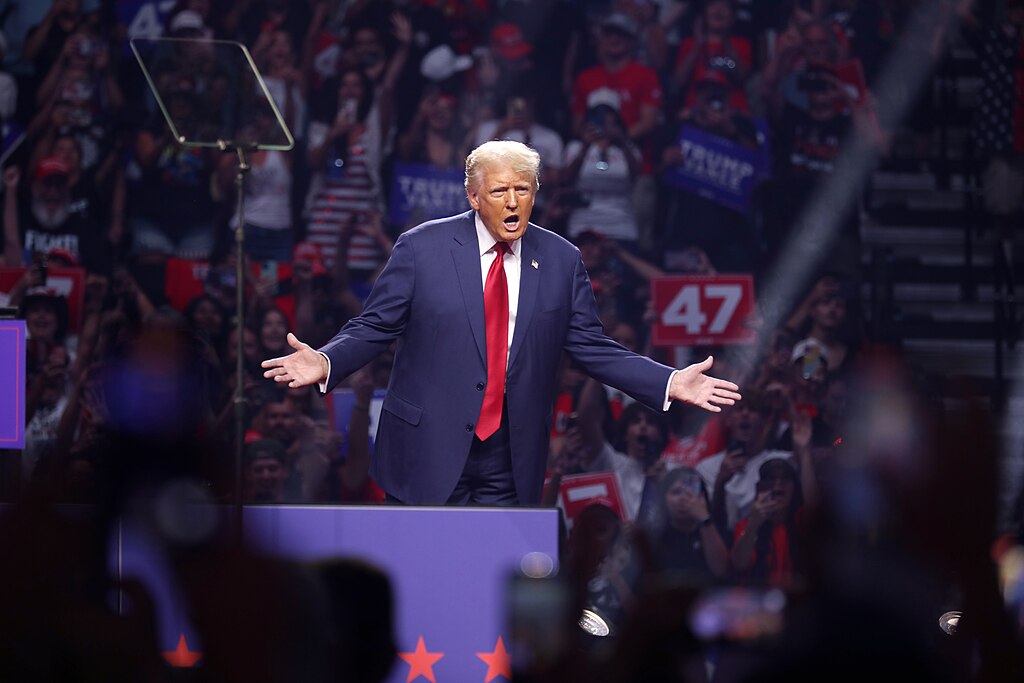
Former President Donald Trump unveiled a sweeping proposal aimed at reshaping corporate tax policies and incentivizing manufacturers to bring their operations back to the United States. Speaking at a recent rally in Ohio, Trump promised to cut taxes for companies that manufacture their products domestically and hire American workers, marking a significant shift in his economic agenda as he eyes a return to the White House.
A Bold Tax Cut Offer
Trump outlined his plan, vowing to slash the corporate tax rate from 21% to 15% for companies that choose to manufacture within the U.S. "Here’s the deal I will offer to every major company and manufacturer on Earth: We will cut your taxes from 21% down to 15%, and give you every possible advantage—but ONLY if you make your product here in America and hire American workers for the job," Trump declared to an enthusiastic crowd.
The former president’s proposal underscores his longstanding focus on revitalizing American industry, positioning his tax cuts as a major incentive to lure companies back from overseas and create jobs for American citizens. "If you DON’T make your product here, then you will have to pay a tariff when you send your product into the United States—and we will take in hundreds of billions of dollars into our Treasury and use that money to benefit YOU, the American citizens," Trump continued.
A Controversial Approach
The most controversial aspect of Trump’s plan is the punitive tariff on companies that choose not to manufacture in the U.S. While the promise of slashing taxes to 15% is enticing to many businesses, the threat of tariffs looms large. Companies that fail to move production back to America would face steep penalties when exporting their goods to the U.S., a move that Trump believes will bring hundreds of billions into the Treasury.
Critics argue that the policy could spark trade tensions and raise prices for American consumers, as tariffs on foreign-made goods could result in higher costs for imported products. "Tariffs don’t just punish companies, they punish consumers," said one economic analyst. "If companies are forced to pay more to sell their goods in the U.S., those costs will ultimately be passed down to the American people."
Reviving American Manufacturing
At the heart of Trump’s proposal is a push to revive American manufacturing, an industry that has seen a steady decline in recent decades as companies have shifted production overseas. Trump’s plan seeks to reverse this trend by making the U.S. a more attractive place to do business through lower taxes and other incentives.
"We have to put American workers first," Trump said, reiterating his signature ‘America First’ agenda. "This isn’t just about economics—it’s about restoring American pride in the products we make right here at home."
Reactions Across the Political Spectrum
Trump’s proposal has sparked a sharp divide in political reactions. Supporters see it as a much-needed step to rebuild American industry and reduce dependency on foreign manufacturing, while critics warn that it could trigger trade wars and inflation.
"Bringing jobs back to the U.S. is something we can all agree on," said one Trump supporter. "This plan puts American workers at the center of economic growth."
On the other side, Democratic lawmakers and economists have questioned the feasibility of the plan, arguing that it oversimplifies complex global trade dynamics. "This is another one of Trump’s oversold promises," said a Democratic lawmaker. "It sounds great in theory, but the real-world consequences could be disastrous for American consumers."
As the 2024 election campaign ramps up, Trump’s tax and tariff proposal will likely be a cornerstone of his platform, reigniting the debate over trade, manufacturing, and America’s role in the global economy.







