


 Trump Backs Nexstar–Tegna Merger Amid Shifting U.S. Media Landscape
  Trump Signs “America First Arms Transfer Strategy” to Prioritize U.S. Weapons Sales
  U.S.-India Trade Framework Signals Major Shift in Tariffs, Energy, and Supply Chains
  Japan’s Prime Minister Sanae Takaichi Secures Historic Election Win, Shaking Markets and Regional Politics
  U.S. to Begin Paying UN Dues as Financial Crisis Spurs Push for Reforms
  New York Legalizes Medical Aid in Dying for Terminally Ill Patients
  Ohio Man Indicted for Alleged Threat Against Vice President JD Vance, Faces Additional Federal Charges
  US Pushes Ukraine-Russia Peace Talks Before Summer Amid Escalating Attacks
  Antonio José Seguro Poised for Landslide Win in Portugal Presidential Runoff
  Netanyahu to Meet Trump in Washington as Iran Nuclear Talks Intensify
  Nicaragua Ends Visa-Free Entry for Cubans, Disrupting Key Migration Route to the U.S.
  Jack Lang Resigns as Head of Arab World Institute Amid Epstein Controversy
  TrumpRx.gov Highlights GLP-1 Drug Discounts but Offers Limited Savings for Most Americans
  Trump Says “Very Good Talks” Underway on Russia-Ukraine War as Peace Efforts Continue
  China Warns US Arms Sales to Taiwan Could Disrupt Trump’s Planned Visit
  Trump Lifts 25% Tariff on Indian Goods in Strategic U.S.–India Trade and Energy Deal
  Trump Signs Executive Order Threatening 25% Tariffs on Countries Trading With Iran


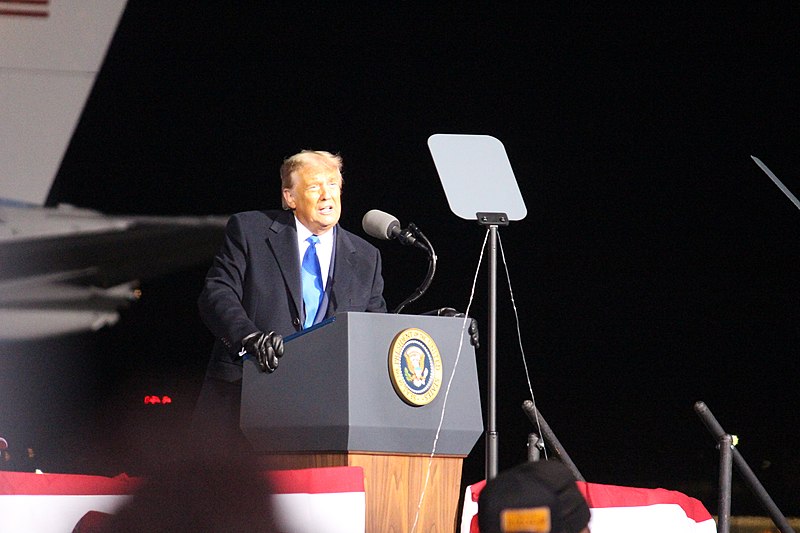
Now-former President Donald Trump faces an impeachment trial before the Senate next week for charges of inciting an insurrection. The preliminary cases and defenses have revealed a detailed case made by the House Democrats surrounding Trump’s involvement in the Capitol riots.
House Democrats filed their preliminary cases against Trump today, citing in detail their case as to why the former president should now be convicted by the Senate and be barred from holding public office again. Trump was impeached by the House in his final week of the presidency for inciting the Capitol riots last January 6 that resulted in dozens of law enforcement injured and five people dead. The pro-Trump mob stormed the Capitol, aiming to stop the formal counting of electoral votes and overturn Joe Biden’s election win. Further reports revealed that the rioters were targeting several members of both House and the Senate leadership including now-former vice president Mike Pence.
The upcoming trial will be held in the same chamber where the rioters broke in, the events in which the Senators themselves have also witnessed firsthand. However, despite a roughly bipartisan push to hold Trump accountable, there is a growing opposition among Republican Senators to move on with the trial.
The House Democrats linked Trump’s insistence on election fraud being the reason why he lost to Biden to the riots. Trump’s crusade in trying to contest the election results led to 61 dismissed lawsuits in swing states, some of the judges being his own appointees and other appointees of Republican presidents.
“His conduct endangered the life of every single member of Congress, jeopardized the peaceful transition of power and line of succession, and compromised our national security,” wrote the impeachment managers. “This is precisely the sort of constitutional offense that warrants the disqualification from federal office.”
At the same time, Biden’s White House is considering revoking Trump’s access to intelligence briefings. Former presidents retain the privilege of getting access to intelligence briefings and classified information, but an exception may be made towards Trump. Prior to Trump’s departure from the White House, the former principal deputy director of national intelligence Sue Gordon, wrote a piece for the Washington Post explaining why Trump should not be given the privilege.
House Intelligence Chairman Adam Schiff also previously recommended that Trump no longer be given access to intelligence briefings and classified information, describing the former president as a “security risk.”













