


 Trump Backs Nexstar–Tegna Merger Amid Shifting U.S. Media Landscape
  Missouri Judge Dismisses Lawsuit Challenging Starbucks’ Diversity and Inclusion Policies
  US Pushes Ukraine-Russia Peace Talks Before Summer Amid Escalating Attacks
  Trump Says “Very Good Talks” Underway on Russia-Ukraine War as Peace Efforts Continue
  Pentagon Ends Military Education Programs With Harvard University
  Federal Judge Restores Funding for Gateway Rail Tunnel Project
  Jack Lang Resigns as Head of Arab World Institute Amid Epstein Controversy
  Trump Lifts 25% Tariff on Indian Goods in Strategic U.S.–India Trade and Energy Deal
  Norway Opens Corruption Probe Into Former PM and Nobel Committee Chair Thorbjoern Jagland Over Epstein Links
  Ohio Man Indicted for Alleged Threat Against Vice President JD Vance, Faces Additional Federal Charges
  Japan Election 2026: Sanae Takaichi Poised for Landslide Win Despite Record Snowfall
  Netanyahu to Meet Trump in Washington as Iran Nuclear Talks Intensify
  New York Legalizes Medical Aid in Dying for Terminally Ill Patients
  Nighttime Shelling Causes Serious Damage in Russia’s Belgorod Region Near Ukraine Border
  Trump Allows Commercial Fishing in Protected New England Waters
  TrumpRx Website Launches to Offer Discounted Prescription Drugs for Cash-Paying Americans
  Trump’s Inflation Claims Clash With Voters’ Cost-of-Living Reality


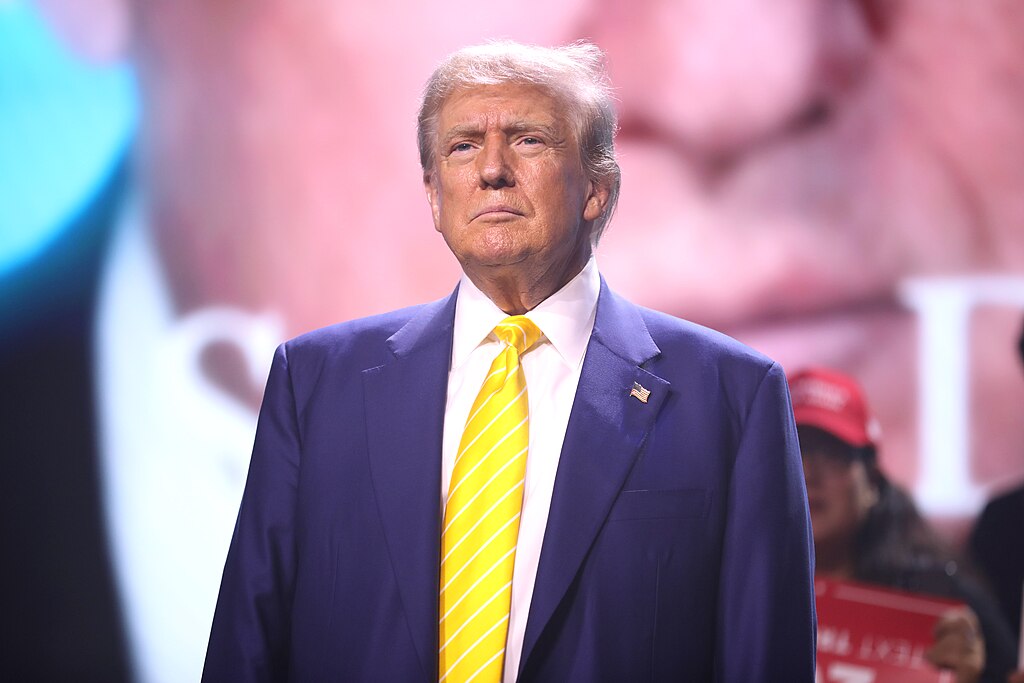
In the immediate aftermath of the July 13, 2024, assassination attempt on former President Donald Trump, social media was flooded with a torrent of rumors and conspiracy theories. From claims of staged photos to allegations of an inside job, the incident quickly became a breeding ground for misinformation, reflecting the polarized political climate.
Videos and images of the incident were shared widely, with each user interpreting them through their political lens. One widely circulated TikTok video questioned the authenticity of an iconic photo showing Trump with a bloodied ear, suggesting it was staged. This speculation gained traction despite the chaotic reality of the event, as per ZMEScience.
Criticism of the Secret Service’s failure to prevent the attack was bipartisan, with figures across the political spectrum, including President Joe Biden, questioning how an armed assailant could reach an unsecured rooftop. This critique quickly morphed into more sinister theories. On social media X, an influencer posted an aerial photo questioning the security breach, hinting at an inside job.
Researchers at the University of Washington’s Center for an Informed Public noted that such collective sensemaking is a natural response to crises. People tend to spread rumors to make sense of uncertain and frightening events, often influenced by their political and cultural biases.
Three primary narratives emerged across social media in the wake of the attempt on Trump's life: accusations of the event being staged, critiques of the Secret Service often linked to Diversity, Equity, and Inclusion (DEI) initiatives, and suggestions that the shooting was an inside job.
Staged Event Theory
Among anti-Trump circles, a theory that the shooting was staged for political gain gained momentum. Some speculated that Trump’s background in World Wrestling Entertainment and reality television might have influenced him to orchestrate the incident for dramatic effect. This narrative was bolstered by entertainment professionals claiming Trump used fake blood packets.
Secret Service Failings
Both social and mainstream media saw widespread questioning of the Secret Service’s performance. Comparisons to the swift response during the 1981 attempt on President Ronald Reagan highlighted perceived shortcomings in Trump’s security. Some politicized this further, blaming DEI initiatives for allegedly reducing the Secret Service’s effectiveness by promoting unqualified agents.
Pro-Trump communities fueled another rumor that the Secret Service had denied additional security requests from Trump, a claim that has been officially denied. This narrative was amplified by recent legislative proposals suggesting the removal of Secret Service protection if Trump were convicted of a felony.
Inside Job Speculations
As critiques of the Secret Service’s performance grew, another theory suggested the shooting was an inside job. Influential figures on social media speculated that the security breach was either due to incompetence or deliberate action. Elon Musk’s retweet of a pro-Trump influencer’s post insinuating this possibility further fueled the narrative.
The Nature of Rumors
The persistence of these rumors reflects a broader social phenomenon. As the crisis recedes, rumors will likely persist, evolving as new evidence emerges. This collective sensemaking process is a natural human response driven by intense emotions and the need to understand rapidly changing situations.
In the wake of such events, it's crucial to recognize how political and social identities can be exploited to spread misinformation. Understanding these dynamics can help individuals become more resilient to false rumors and conspiracies.













