


 Oil Prices Rise Amid Strait of Hormuz Tensions and U.S.-Iran Ceasefire Uncertainty
  Gold Prices Rise as Weaker Dollar and U.S.-Iran Peace Hopes Boost Demand
  Asian Stocks Slide as Iran Tensions Escalate Despite Strong Weekly Gains
  China-Made Fireworks Power U.S. Independence Day Celebrations Amid Trade Truce
  Saudi Aramco Q1 Profit Jumps 25% as Strait of Hormuz Crisis Reshapes Oil Exports
  Malaysia Unveils Energy Security Plan Amid Iran Conflict and Rising Oil Costs
  Iran-U.S. Peace Deal Near as Oil Prices Fall and Nuclear Disputes Persist
  Dollar Struggles to Rally Despite Strong US Data as Fed Hike Expectations Remain Limited
  China EV Truck Boom Accelerates as Iran War Drives Diesel Prices Higher
  Gold Prices Hold Firm as Iran Tensions and Dollar Swings Drive Safe-Haven Demand
  Dollar Slips as Strong U.S. Jobs Data Reduces Fed Rate Cut Expectations
  Japan Tech Stocks Surge as AI Optimism Lifts SoftBank, Chipmakers
  Trump Signals Possible U.S.-Iran Peace Deal as Markets Rally on Hopes of War Ending
  US Trade Court Blocks Trump’s 10% Global Tariffs
  S&P 500, Nasdaq Hit Record Highs as AI Stocks Rally and Strong Jobs Data Boost Confidence
  Lula and Trump Talks Signal New Phase in Brazil-US Relations


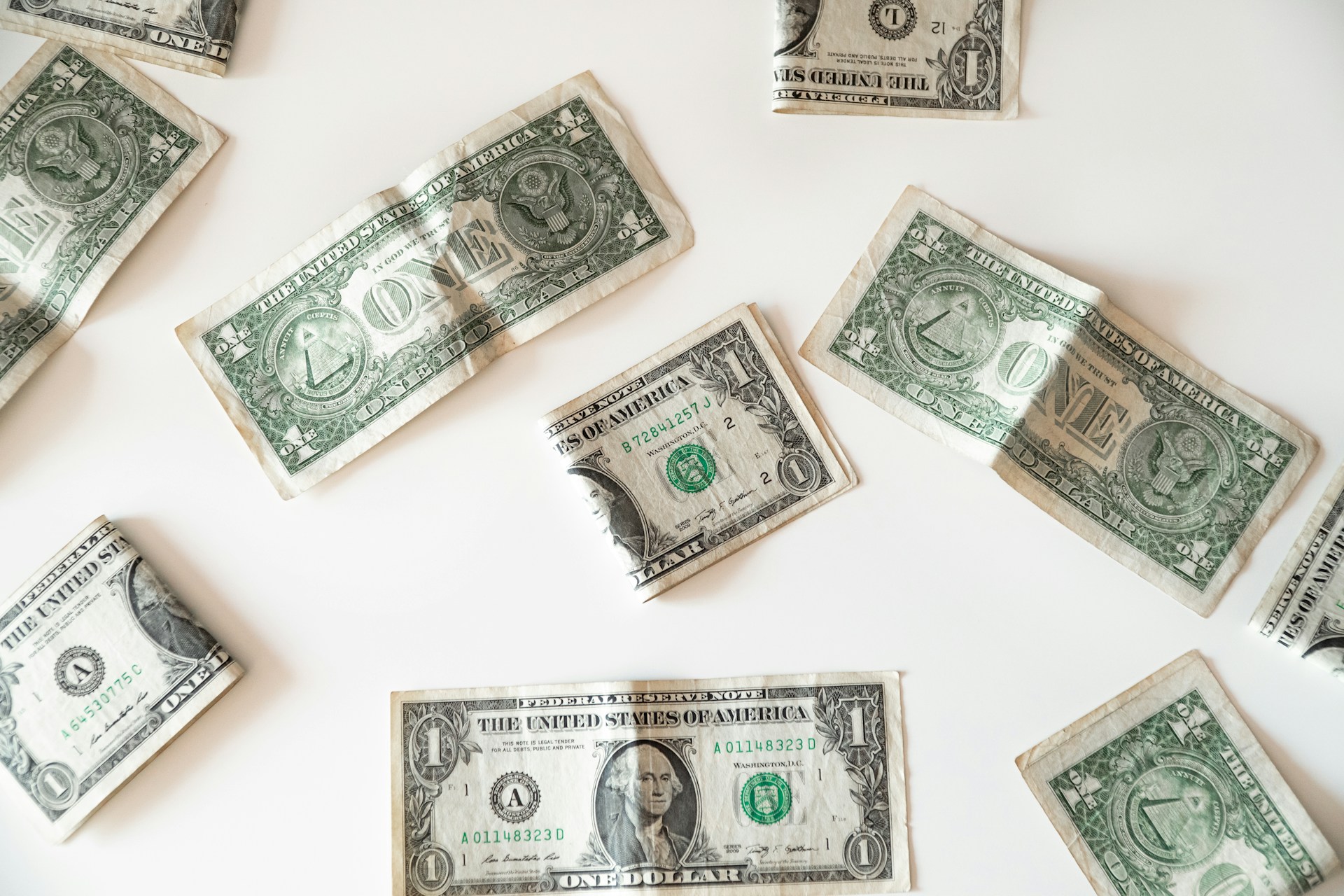
The U.S. dollar gained ground on Thursday following stronger-than-expected inflation data, while the euro dipped as the European Central Bank (ECB) implemented its fourth interest rate cut of the year. The Federal Reserve’s anticipated policy decisions next week, coupled with moves by other central banks, painted a complex picture for global currency markets.
The Labor Department’s report revealed a 0.4% rise in producer prices for November, surpassing economists' expectations of a 0.2% increase. This marked a significant development, further solidifying market bets on a 25-basis-point rate cut during the Fed’s Dec. 17-18 meeting, according to the CME FedWatch tool.
Karl Schamotta, chief market strategist at Corpay, highlighted the dollar's relative strength in global markets. “Cross-currency rate differentials, sustained by dovish policies in other nations, continue to bolster the dollar’s position,” he said.
Euro Weakens Amid ECB Policy Shift
The ECB announced a 25-basis-point rate cut on Thursday, signaling potential further easing as inflation edges closer to its target and economic growth lags. The euro traded 0.23% lower against the dollar, settling at $1.0472.
However, the ECB’s cautious stance left some analysts skeptical. Kirstine Kundby-Nielsen, an FX research analyst at Danske Bank, remarked, “The euro area’s economic picture remains grim, which could lead to continued euro weakness in the months ahead.”
The Swiss franc, meanwhile, strengthened after the Swiss National Bank implemented an unexpected 50-basis-point rate cut. This move, larger than most economists predicted, provided short-term volatility but raised questions about the long-term implications for the franc.
Asian Currencies and Global Ripples
The dollar’s momentum was less pronounced against the Japanese yen, which traded at 152.22 yen after hitting a two-week high on Wednesday. Reports suggested the Bank of Japan may delay a rate hike until January, leading to tempered expectations among investors.
In Australia, the jobless rate unexpectedly declined to an eight-month low, buoying the Australian dollar. It rose 0.08% to $0.6374, distancing itself from a one-year low recorded earlier this week.
Meanwhile, China pledged to boost its budget deficit, increase debt issuance, and loosen monetary policy to stabilize economic growth. The offshore yuan traded around 7.2780 per dollar, reflecting cautious optimism regarding Beijing’s economic measures.
Social Media Reactions
Netizens took to Twitter to share their opinions on the fluctuating currency markets:
- @MarketWatcher: “The dollar's resilience is a wake-up call for global central banks—2024 is going to be wild!”
- @ForexFanatic: “ECB’s rate cut wasn’t enough to save the euro. Time to hedge!”
- @InvestorInsights: “Australian job data surprises again! Could this push the Reserve Bank to reconsider its February easing plans?”
- @GlobalEconTalk: “Swiss franc’s unexpected surge reminds us why currency markets are never boring.”
- @DollarKing: “Hot inflation data and dovish ECB—no wonder the dollar’s ruling the roost.”
- @AsiaFXTracker: “China’s economic pledges could stabilize the yuan, but risks still loom for the broader economy.”







