


 RBA Hikes Interest Rate to 4.60% as Inflation Risks Rise
  Yen Sinks as BOJ Rate Hike Fails to Impress Markets
  South Korea Tax Windfall Could Top 50 Trillion Won on Chip Boom
  Gold Slides Below $4,300 as Oil Surge Fuels Fed Rate Hike Bets
  RBA Says ASX Still Falls Short on Governance and Risk Controls
  Fed Unveils Stablecoin Rules Under GENIUS Act
  China, US Extend Trade Truce Through January 10 After Trump-Xi Summit
  Oil Surge Pressures Global Stocks as U.S.-Iran Truce Hopes Fade
  Oil Prices Jump Nearly 3% as Iran Holds Firm on Hormuz Conditions
  U.S. Stock Futures Steady as AI, Rate Concerns Weigh
  Oil Prices Rise as Iran Holds Firm on Strait of Hormuz Deal
  BOJ Raises Interest Rate to 31-Year High as Yen Weakens
  U.S. Stock Futures Fall as Iran, Oil and AI Risks Rattle Markets
  China Industrial Profit Growth Slows as Weak Demand Offsets AI Gains
  South Korea Exports Set for 16th Monthly Gain on AI Chip Demand


 Add as a preferred source on Google
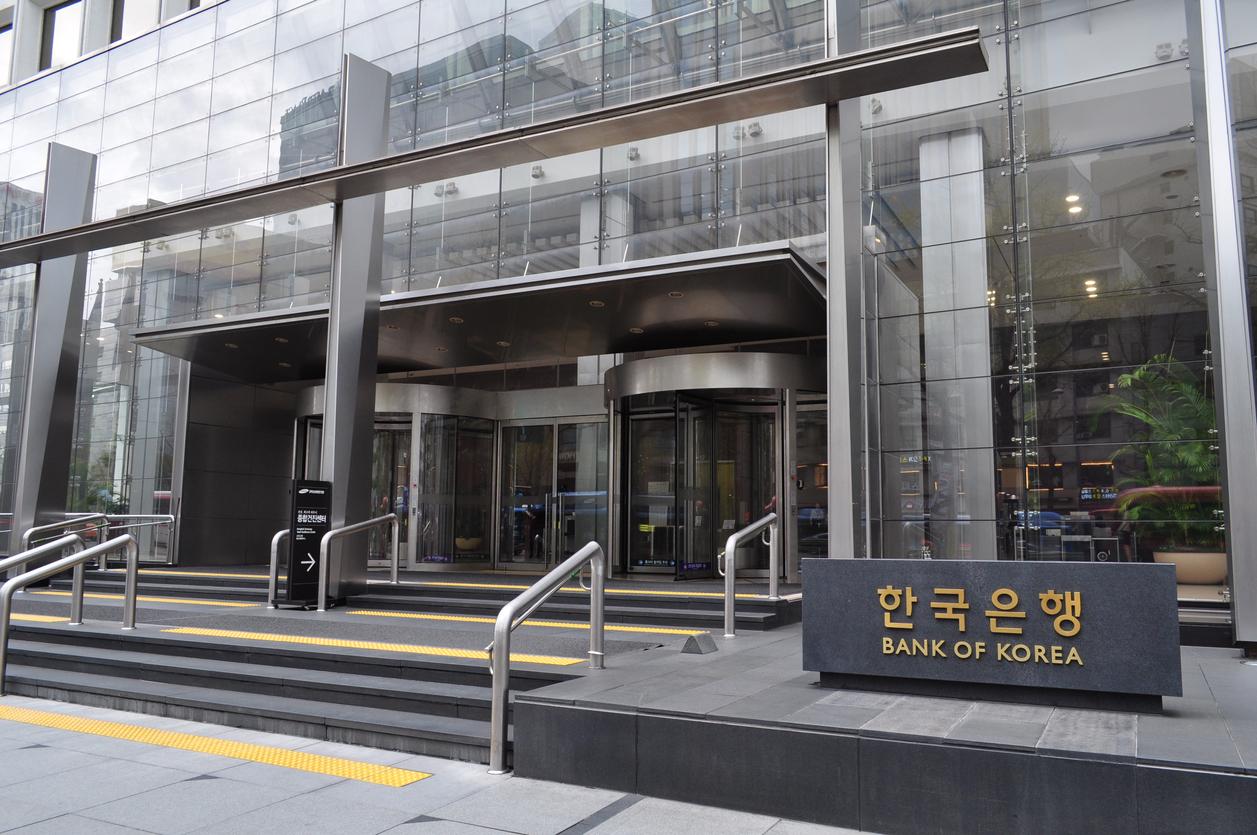
South Korea’s central bank is widely expected to leave its benchmark interest rate unchanged this week, but growing inflation concerns linked to the Iran conflict and rising oil prices are increasing expectations for future rate hikes.
According to a Reuters poll conducted between May 19 and May 25, 30 out of 32 economists forecast the Bank of Korea (BOK) will maintain its key policy rate at 2.50% during its May 28 policy review. Only two analysts predicted an immediate increase.
However, market sentiment has shifted sharply toward tighter monetary policy later this year. More than 70% of economists surveyed expect at least one interest rate hike by the end of September 2026. In the previous Reuters survey, only a small number of economists anticipated a rate increase.
The change in outlook comes as South Korea’s inflation rate climbed to 2.6% in April, exceeding the BOK’s 2.0% target and reaching its highest level in nearly two years. Rising global oil prices, fueled by ongoing Middle East tensions and the Iran war, have kept crude prices above $100 per barrel for several months, increasing inflationary pressure across Asia.
Analysts also noted that the weakening Korean won is contributing to higher imported inflation, especially for energy-related goods. Economists believe these factors could push the BOK toward tightening monetary policy sooner than expected.
At the same time, South Korea’s economy continues to show resilience. The country recorded a stronger-than-expected 1.7% economic expansion in the first quarter of 2026, supported by strong semiconductor exports and stable domestic demand.
Economists now expect the Bank of Korea to revise its 2026 GDP growth forecast higher than the previous 2.0% estimate. Many analysts believe stronger economic growth gives the central bank enough room to consider rate hikes later this year and into 2026.
Among economists surveyed, most expect the BOK’s base rate to reach 3.00% by the end of 2026, reflecting expectations that inflation and economic growth will remain elevated.







