


 US Military Eyes 10,000 Troop Surge to Middle East Amid Iran Nuclear Tensions
  China's Anti-Corruption Purge Reaches New Heights as Politburo Shrinks to 25-Year Low
  MATCH Act Targets ASML and Chinese Chipmakers in New U.S. Export Crackdown
  FEMA Reinstates $1 Billion Disaster Prevention Grant Program After Court Order
  Trump Signs Executive Order Tightening Mail-In Voting Rules Amid Legal Backlash
  Federal Judge Blocks Pentagon's Blacklisting of AI Company Anthropic
  Trump Administration Settles Lawsuit Barring Federal Agencies from Pressuring Social Media Censorship
  Iran Allows Oil Tankers Through Strait of Hormuz Amid U.S. Negotiations
  U.S. Returns Chinese Drug Suspect to China in Landmark Extradition
  Zelenskyy Offers Ukraine's Naval Drone Expertise to Secure the Strait of Hormuz
  Israel Poised to Strike Iranian Energy Sites, Awaiting U.S. Approval
  Israel Passes Death Penalty Law Targeting Palestinians in Military Courts
  Army Chief of Staff Gen. Randy George Forced Into Immediate Retirement Amid U.S.-Iran War
  Congo in Talks With Trump Administration to Accept Third-Country Deportees
  Rubio Directs U.S. Diplomats to Use X and Military Psyops to Counter Foreign Propaganda
  Russia's Easter Strikes Kill Multiple Civilians Across Ukraine


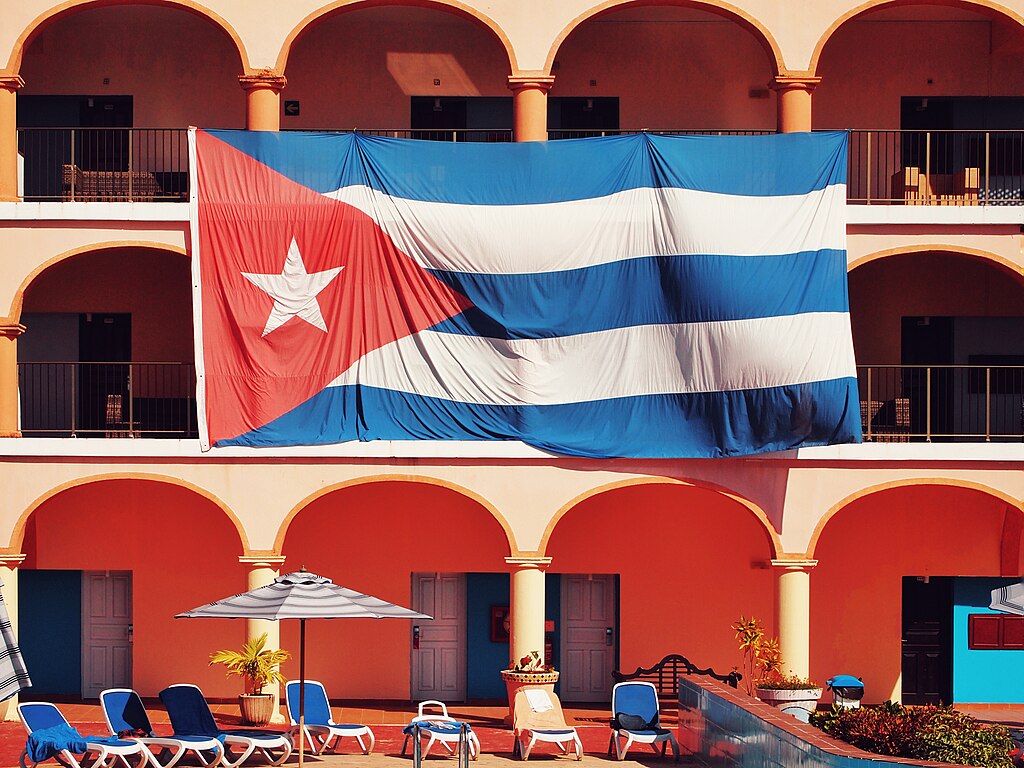
Cuba has announced plans to release 2,010 prisoners from its correctional facilities, marking the second prisoner amnesty the Caribbean nation has declared this year. The move comes as diplomatic conversations between Cuba and the United States continue to develop, signaling a potential shift in the bilateral relationship between the two countries.
The Cuban government's official newspaper, Granma, described the mass release as a "humanitarian and sovereign gesture," framing the decision as an expression of goodwill rather than political concession. This language suggests Havana is keen to maintain its stance of independence while still engaging in dialogue with Washington.
The announcement builds on a pattern of prisoner releases that Cuba has used as diplomatic currency in its ongoing negotiations with the U.S. By repeatedly offering amnesty to a significant number of inmates, the Cuban government appears to be demonstrating a degree of openness that observers and human rights advocates have long called for. Whether these releases include political detainees or individuals imprisoned for dissent remains a critical point of interest for international watchdogs and foreign governments monitoring the situation.
Mass prisoner releases of this scale can carry meaningful implications beyond their humanitarian value. They often serve as confidence-building measures in diplomatic negotiations, helping to ease tensions and create space for broader agreements on trade, travel, and political normalization.
Cuba's willingness to carry out multiple amnesties within a single year reflects the fluid and evolving nature of U.S.-Cuba relations. As talks between the two nations progress, the international community will be watching closely to see whether these gestures translate into lasting policy changes or represent more symbolic steps in a longer, more complex diplomatic process. For now, the release of over 2,000 prisoners stands as one of the most tangible developments in the ongoing engagement between Havana and Washington.







