


 Trump Seeks Global Coalition to Reopen Strait of Hormuz Amid U.S.-Israel-Iran Conflict
  SEC Eyes Shift to Semiannual Corporate Reporting, Ending 50-Year Quarterly Mandate
  U.S. Stock Futures Steady as Markets Await Fed Rate Decision Amid Middle East Tensions
  Gold Prices Slip as Iran Conflict and Fed Uncertainty Weigh on Markets
  Asian Currencies Hold Steady Amid Iran Conflict and Fed Uncertainty
  Israel-Lebanon Ceasefire Talks on the Horizon as Conflict Intensifies
  Dan Caldwell Joins ODNI After Pentagon Leak Investigation Clearance
  JD Vance Backs Trump's Iran War Strategy Despite Known Anti-War Stance
  Israel's Missile Interceptor Shortage Puts Defense Stocks in the Spotlight
  Trump Warns NATO Over Iran Strait Crisis as Pressure Mounts on China
  Oil Prices Waver Amid U.S.-Israel Conflict with Iran and Strait of Hormuz Tensions
  U.S. Maintains Taiwan Arms Shipments Despite Ongoing Iran Air Campaign
  U.S.-Iran War Escalates as Strait of Hormuz Crisis Threatens Global Oil Supply
  Gold Prices Hold Above $5,000 as Central Bank Meetings and Iran War Stay in Focus
  Russia Captures Two More Ukrainian Villages Amid Ongoing Frontline Clashes
  Asian Markets Rally on AI Optimism Ahead of Fed Decision
  Global Markets on Edge as Gulf Tensions Push Oil Prices Higher


Tensions between Iran and Israel have reached a critical point as Iran launched cluster warhead missiles at Tel Aviv overnight Tuesday, claiming the strike was retaliation for Israel's assassination of senior security official Ali Larijani. The attack on the densely populated Israeli city killed two people, raising the total Israeli death toll from the ongoing conflict to at least 14.
Cluster munitions, which scatter into smaller explosive units mid-air and cover vast areas, pose significant interception challenges. Israel has repeatedly accused Iran of deploying these weapons throughout the war, which began when Israeli forces killed Supreme Leader Ayatollah Ali Khamenei in a strike on February 28.
Adding to regional alarm, a projectile struck near Iran's Bushehr nuclear power plant on Tuesday evening, though Iranian authorities confirmed no damage or casualties. The International Atomic Energy Agency's chief, Rafael Grossi, urgently called for maximum restraint, warning of the risk of a nuclear catastrophe.
Iran's newly appointed Supreme Leader, Mojtaba Khamenei, has firmly rejected ceasefire proposals, stating publicly that peace talks are not viable until the United States and Israel acknowledge defeat and pay reparations. Iranian-linked attacks have now claimed lives across Lebanon, Iraq, and multiple Gulf states.
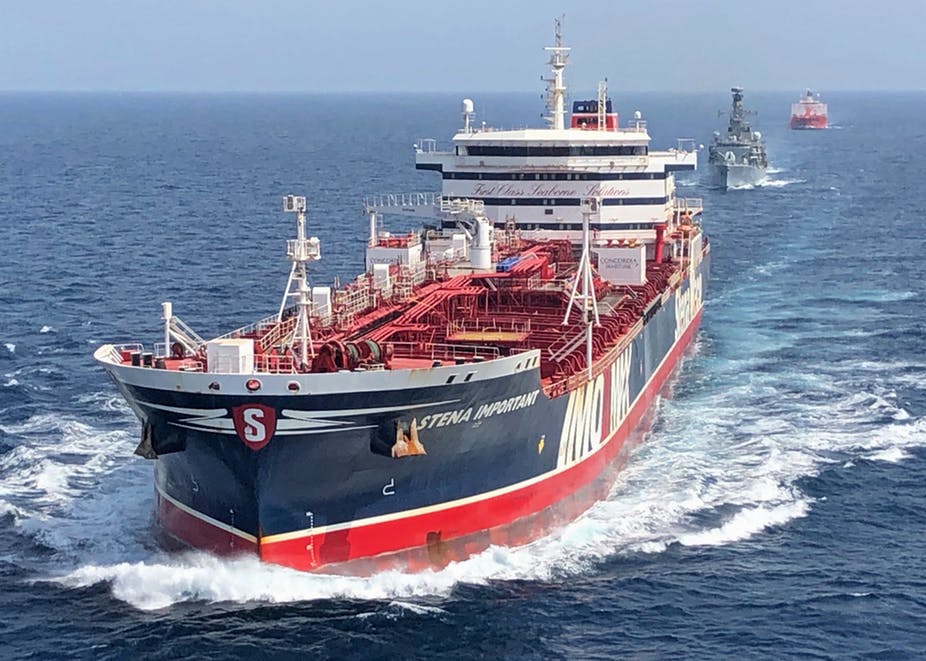
The Strait of Hormuz, a vital corridor for roughly 20% of global oil trade, remains largely blocked. Oil prices have surged nearly 45% since the war began, fueling inflation fears worldwide. Global airlines are also warning of massive cost increases, route cancellations, and fare hikes as Middle Eastern airspace stays closed.
The United States military has struck Iranian coastal targets near the strait, citing threats to international shipping. Meanwhile, NATO allies and countries like Japan and South Korea have declined Trump's requests for military assistance, citing diplomatic concerns and a preference for negotiated solutions to restore safe passage through the strait.













