


 FCC Chairman Threatens Broadcasters Over "Fake News" Amid Iran War Coverage Debate
  U.S. Maintains Taiwan Arms Shipments Despite Ongoing Iran Air Campaign
  Pakistan Air Strike Kills 400 at Kabul Drug Rehabilitation Hospital, Taliban Says
  U.S.-Iran War Escalates as Strait of Hormuz Crisis Threatens Global Oil Supply
  Trump Seeks Global Coalition to Reopen Strait of Hormuz Amid U.S.-Israel-Iran Conflict
  Israel-Lebanon Ceasefire Talks on the Horizon as Conflict Intensifies
  Japan's Military Options in the Strait of Hormuz: What Tokyo Can and Cannot Do
  Iran Loses Key Power Broker: Ali Larijani Killed in U.S.-Israeli Strike
  SEC Eyes Shift to Semiannual Corporate Reporting, Ending 50-Year Quarterly Mandate
  Trump Warns NATO Over Iran Strait Crisis as Pressure Mounts on China
  Taiwan Confident U.S. Arms Sale Review Remains on Track Despite Trump's China Trip Delay
  Trump Signals Imminent U.S.-Cuba Talks as Rubio Leads Diplomatic Outreach
  Israel-Lebanon Ceasefire Talks Expected Amid Ongoing Hezbollah Conflict
  U.S. Presses South Korea on Strait of Hormuz Naval Support Amid Rising Energy Tensions
  Cuba Reacts to Trump's Conflicting Statements Amid Rising U.S.-Cuba Tensions
  Baghdad Embassy Attack: Drones and Rockets Strike U.S. Compound in Escalating Iraq Conflict
  Iran Denies Active Diplomacy With U.S. Amid Ongoing War


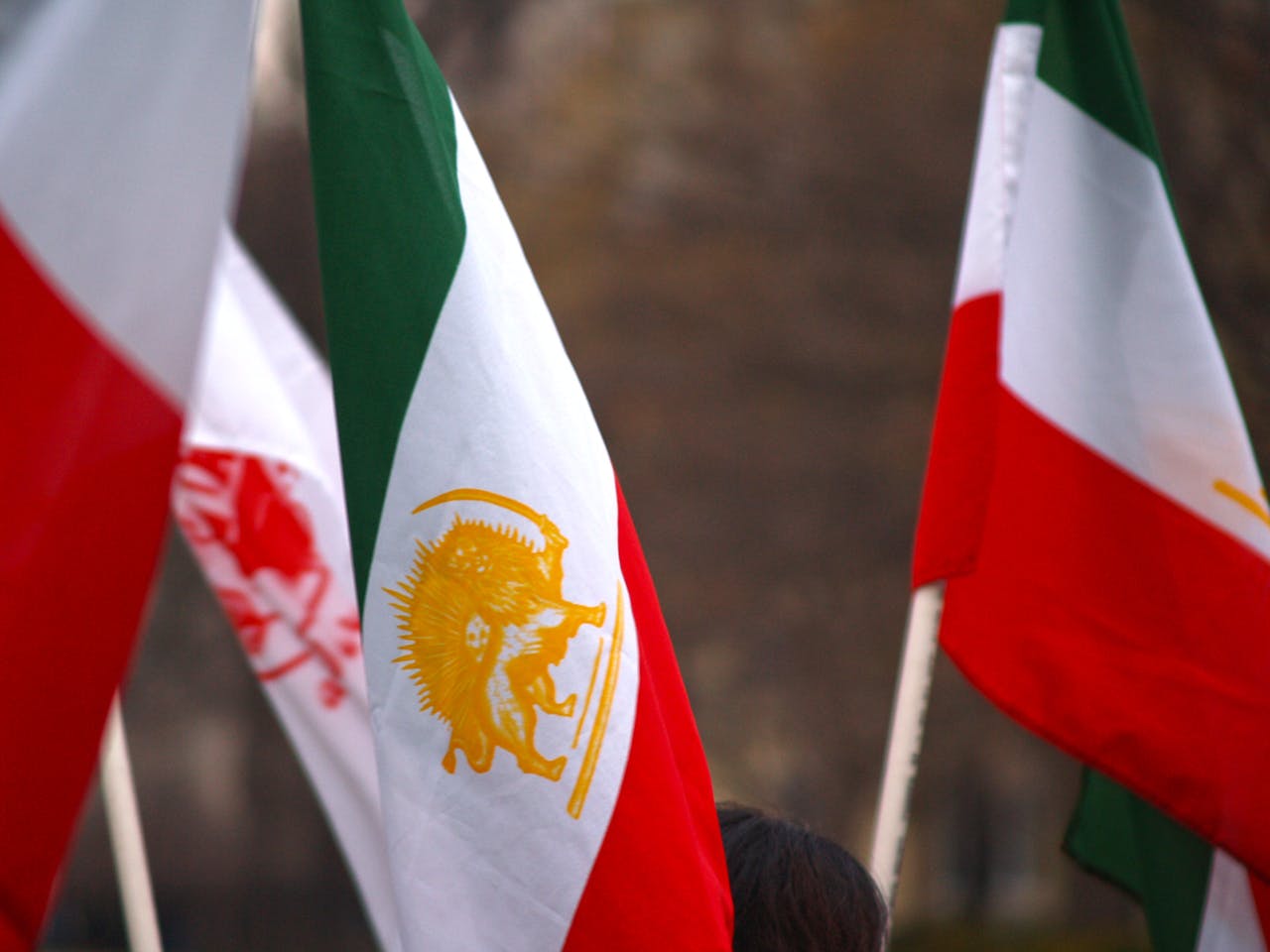
Iran has vowed to continue its military operations despite Israel's assassination of senior security official Ali Larijani, with Iranian Foreign Minister Abbas Araqchi insisting the Islamic Republic does not rely on any single individual to function. Speaking to Al Jazeera, Araqchi emphasized that the country's political system remains resilient and fully operational regardless of leadership losses.
In retaliation for Larijani's killing, Iran launched a missile offensive targeting Tel Aviv, deploying Khorramshahr 4 and Qadr missiles equipped with cluster warheads — weapons that fragment mid-air and disperse across wide areas, making interception extremely difficult. Israeli authorities confirmed the attacks killed two people near Tel Aviv, bringing Israel's total war fatalities to at least 14.
Nearly three weeks into the conflict, no ceasefire appears imminent. Iran's newly appointed Supreme Leader Mojtaba Khamenei has rejected all de-escalation proposals, declaring that peace talks are premature until the United States and Israel acknowledge defeat. The war has since expanded well beyond Iranian borders, drawing Lebanon further into the crisis after Hezbollah launched attacks on Israel earlier this month. Israeli airstrikes have since killed over 900 people across Lebanon and displaced more than 800,000 residents.
The United States military has also intensified its involvement, deploying bunker-buster bombs along Iran's coastline near the Strait of Hormuz — a critical global oil transit route responsible for roughly one-fifth of worldwide oil trade. The strait remains largely blocked, triggering an oil crisis the International Energy Agency has described as the worst since the 1970s. Prices have surged approximately 45% since hostilities began in late February, threatening renewed global inflation and widespread food insecurity.
Meanwhile, Gulf Arab nations have absorbed over 2,000 Iranian missile and drone attacks targeting U.S. bases, oil infrastructure, and civilian areas — most heavily concentrated in the United Arab Emirates — as the region braces for further escalation with no resolution in sight.













