


 Trump Announces 100% Tariff on Generic Drug Imports Starting in 2028
  ASEAN Ministers Warn Middle East Conflict Threatens Regional Stability and Energy Security
  Gold Prices Slip Near $4,000 as U.S.-Iran Conflict Fuels Inflation Fears
  Hong Kong AI Stocks Rally as Moonshot AI’s Kimi K3 Launch Boosts Market Optimism
  US Stock Futures Steady Ahead of Tesla, Alphabet Earnings as Iran Conflict Keeps Markets on Edge
  China Holds Loan Prime Rates Steady for 14th Month as Economic Recovery Remains Uneven
  Asian Currencies Hold Steady as Middle East Tensions Boost US Dollar, Oil Concerns
  US Stock Futures Rise as AI Optimism Lifts Tech, 3M Jumps on Strong Earnings
  Japan Yen Slides Past 163 as Middle East Tensions Lift US Dollar, Oil Prices
  Japan PM Sanae Takaichi Unveils Growth Plan as BOJ Independence Concerns Lift Bond Yields
  US Stock Futures Hold Steady as Tesla, Alphabet Earnings and Iran Conflict Dominate Market Focus
  US Stock Exchanges Face Earnings Test as Trading Boom Meets Crypto Competition
  Oil Prices Hold Steady as U.S.-Iran Conflict and Houthi Blockade Keep Markets on Edge
  India FMCG Q1 Earnings Preview: Higher Input Costs Likely to Weigh on Profit Margins
  Trump Set to Unveil New Tariffs on Dozens of Countries as Global 10% Duty Nears Expiration
  Deutsche Bank Says Fed Balance Sheet Cuts Could Weaken US Dollar Instead of Boosting It
  Asian Currencies Hold Steady as Fed Outlook Offsets Middle East Tensions



As states contemplate how to restart the global economy after the pandemic, it’s important to remember that we’ve been here before. The global financial crisis of 2008 didn’t cause as much social and economic harm as COVID-19 has, but it did force governments around the world to intervene in the economy, to limit the fallout from the crash.
Vital though these interventions are, states need to consider what a post-pandemic economy looks like. If handled correctly, it could be a once-in-a-lifetime opportunity to create a system that’s fundamentally fairer and more sustainable.
That would mean ensuring that climate action is baked in to stimulus packages and bailouts. There were similar ideas floated in the wake of the 2008 crash, but they only amounted to investments in green energy and infrastructure of around 16% of total fiscal stimulus spending.
Given the mounting urgency of the climate crisis, a post-pandemic recovery programme would need to be much more ambitious, ensuring a planned retreat from fossil fuels that reallocates employment into secure and socially useful work, while also making the global economy and supply chains more resilient to inevitable future shocks.
A post-COVID green new deal
Before COVID-19, momentum around the world had been building for “a green new deal” – a programme of state-led investment to rapidly reduce emissions and economic inequality by creating green infrastructure and jobs.
Amid the recent turmoil, investors are looking for safe assets. Governments could finance a green overhaul of the economy by encouraging them to invest in low carbon infrastructure through “green bonds”. These could be issued directly by central governments, or through national or regional green investment banks. That investment could help transform the electricity system to integrate renewable energy generation, roll out charging points for electric vehicles, and build cycle networks and low-carbon housing.
With the nine-to-five rhythm of the weekday grinding to a halt, the lockdown has affected profound changes in energy demand. While the UK approaches its record for the number of days without generating energy from coal, now is a good time to restructure national electricity grids away from a centralised model, with fossil fuel power plants radiating energy outwards, to a model where energy generation is distributed among many sources of solar and wind, like rooftop photovoltaic panels and community-owned wind farms.
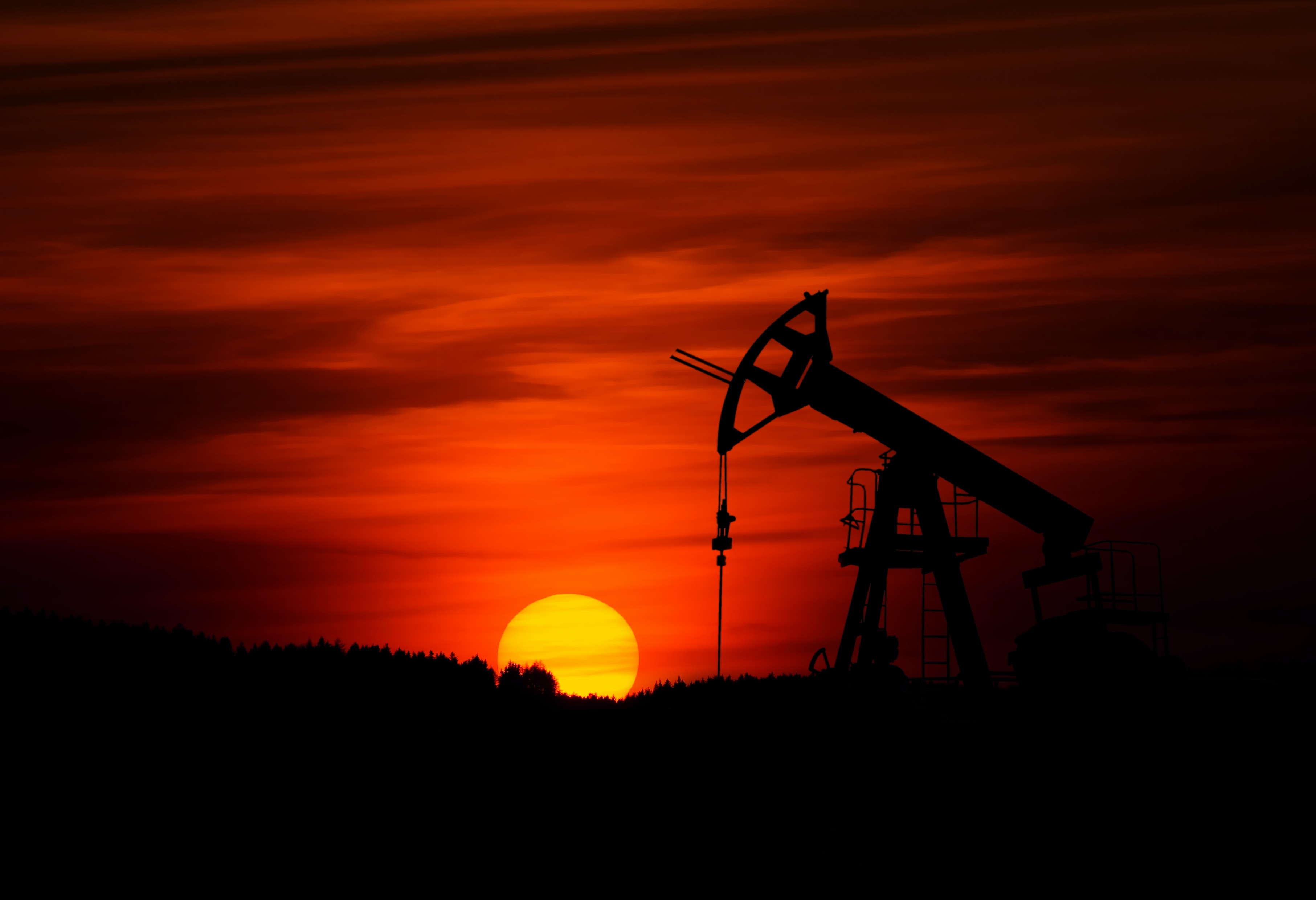
The fossil fuel industry was already struggling before nationwide lockdowns caused a crash in consumer demand. States should end the subsidies propping up the industry and re-allocate that money to research and development funding for battery storage technologies and clean energy. Given how weak the sector is – with oil prices plumbing new lows each day – states could buy oil and gas companies out and take their reserves into public ownership, effectively keeping those fuels in the ground. Displaced workers could be compensated and retrained, which has happened in the Spanish coal industry.
The pandemic has also exposed the fragility of the UK’s food supply, with its limited storage capacity, a just-in-time supply model, and dependence on imported food. Suddenly we’ve realised the social and environmental absurdity of flying and driving much of our food from big producers far away.
Many people have taken the initiative during this crisis to support small businesses and buy food from local suppliers. Economic stimulus measures could build on this by ensuring large public sector organisations that are anchored within communities, such as councils, colleges or hospitals, source their food from local producers. The Preston model of “re-localising” economic activity shows how it might be done.
While many people are stuck in their houses, thoughts have inevitably turned to home improvement. It wouldn’t cost a great deal for governments to roll out a mass home insulation effort after the crisis, targeting households which are struggling most with fuel poverty first. This would pay for itself in energy savings, and warmer homes would improve the health and well-being of many, while also creating green jobs that can’t be outsourced.
Despite the numerous declarations of “climate and ecological emergencies” in 2019, the pandemic of 2020 has shown what a global emergency looks like in real time – and how public resources can be leveraged to rapidly deal with it. While green investment and climate action were afterthoughts in post-2008 economic recovery programmes, they must be the guiding principle behind rebuilding the economy after the pandemic.







