


 Trump Backs Nexstar–Tegna Merger Amid Shifting U.S. Media Landscape
  TrumpRx Website Launches to Offer Discounted Prescription Drugs for Cash-Paying Americans
  U.S. Announces Additional $6 Million in Humanitarian Aid to Cuba Amid Oil Sanctions and Fuel Shortages
  Nighttime Shelling Causes Serious Damage in Russia’s Belgorod Region Near Ukraine Border
  U.S.-India Trade Framework Signals Major Shift in Tariffs, Energy, and Supply Chains
  US Pushes Ukraine-Russia Peace Talks Before Summer Amid Escalating Attacks
  Trump’s Inflation Claims Clash With Voters’ Cost-of-Living Reality
  Trump Allegedly Sought Airport, Penn Station Renaming in Exchange for Hudson River Tunnel Funding
  Iran–U.S. Nuclear Talks in Oman Face Major Hurdles Amid Rising Regional Tensions
  Trump Lifts 25% Tariff on Indian Goods in Strategic U.S.–India Trade and Energy Deal
  Netanyahu to Meet Trump in Washington as Iran Nuclear Talks Intensify
  Japan Election 2026: Sanae Takaichi Poised for Landslide Win Despite Record Snowfall
  Trump Signs Executive Order Threatening 25% Tariffs on Countries Trading With Iran
  TrumpRx.gov Highlights GLP-1 Drug Discounts but Offers Limited Savings for Most Americans
  New York Legalizes Medical Aid in Dying for Terminally Ill Patients
  Trump Allows Commercial Fishing in Protected New England Waters
  Jack Lang Resigns as Head of Arab World Institute Amid Epstein Controversy


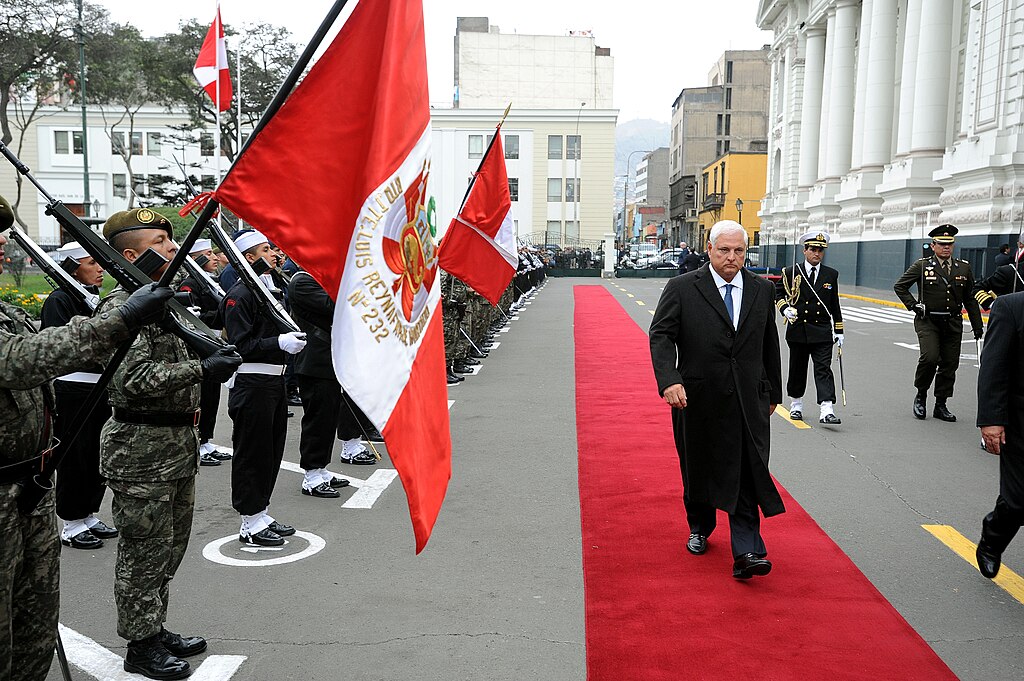
Colombia has officially granted political asylum to Panama’s former President Ricardo Martinelli, who has faced mounting legal troubles in his home country. The Colombian Foreign Ministry announced the decision on Saturday, stating it aligns with Colombia’s long-standing humanist tradition of protecting individuals persecuted for political reasons.
Martinelli had been residing in the Nicaraguan embassy in Panama City since February 2024, following the Panamanian Supreme Court’s decision to uphold his sentence of over 10 years in prison for money laundering. The former leader had sought refuge there to avoid incarceration while continuing to claim political persecution.
According to sources close to Martinelli, the ex-president has now left the Nicaraguan embassy and departed Panama for Colombia. Panamanian authorities confirmed that they provided safe passage for Martinelli to a local airport, adhering to international agreements, including the 1928 Convention on Asylum and the 1933 Convention on Political Asylum.
Martinelli, who previously served as Panama’s president from 2009 to 2014, remains a polarizing figure in national politics. Despite his conviction, he launched a presidential campaign in early 2024, maintaining a base of loyal supporters who view his legal woes as politically motivated.
The asylum decision is likely to spark diplomatic debate between Panama and Colombia, especially as Martinelli continues to be a controversial political actor. His relocation marks a significant turn in the region’s political asylum landscape, highlighting the intersection of international law, political conflict, and legal accountability in Latin America.
This development comes amid increasing scrutiny of political asylum practices and the legal treatment of high-profile figures across Central and South America. The situation remains fluid, with potential ramifications for future bilateral relations and regional stability.













