


 European Stocks Edge Higher as Iran-U.S. Peace Talks Boost Market Sentiment
  Novo Nordisk Raises 2026 Outlook on Strong Wegovy Demand
  Aker BP Q1 Profit Jumps on Higher Oil Prices and Asset Reversal
  Nike Tariff Refund Lawsuit Sparks Consumer Backlash Over Price Increases
  Justice Jackson Slams Supreme Court's Growing Use of Shadow Docket
  Malaysia Unveils Energy Security Plan Amid Iran Conflict and Rising Oil Costs
  Sinaloa Governor Ruben Rocha Denies U.S. Cartel Allegations, Calls Charges Political
  Oil Prices Surge as U.S.-Iran Conflict Threatens Strait of Hormuz Supply Route
  Japan’s Yen Intervention and BOJ Rate Hike Bets Support Currency Recovery
  Lufthansa Q1 Loss Narrows as Strong Summer Travel Demand Boosts Outlook
  CoreWeave Q1 2026 Revenue Surges as AI Infrastructure Demand Grows
  Aung San Suu Kyi Moved to House Arrest Amid Myanmar Political Crisis
  US-Iran Ceasefire Under Pressure as Fresh Strait of Hormuz Clashes Shake Oil Markets
  Argentina Court Upholds Cristina Kirchner Asset Seizure in Corruption Case
  Trump-Xi Meeting 2026: U.S.-China Trade Tensions Escalate Ahead of Beijing Summit
  Federal Appeals Court Allows Texas SB4 Immigration Law Enforcement to Proceed
  Florida Launches Criminal Probe Into OpenAI Over FSU Shooting Incident


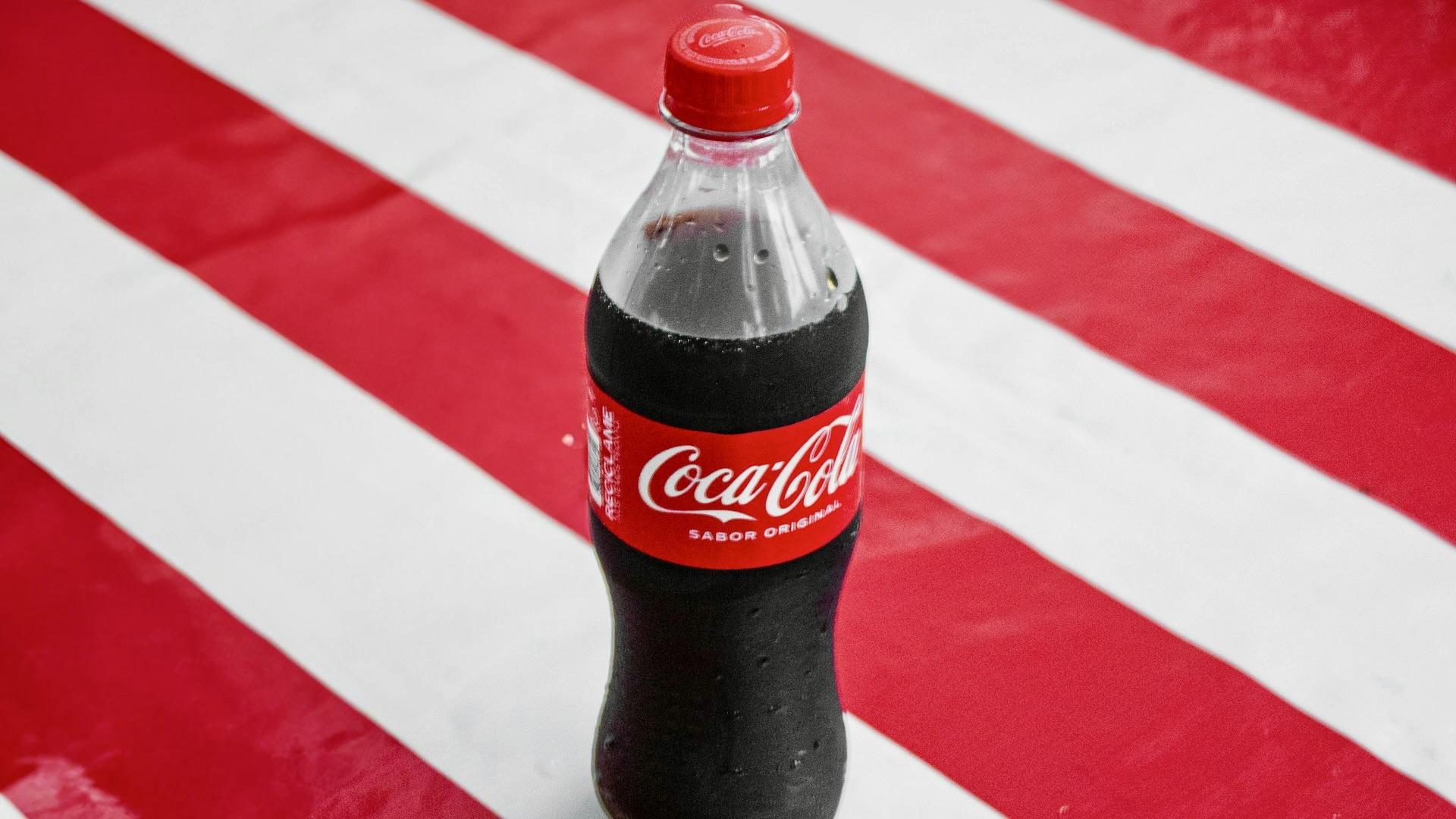
A lawsuit filed in Philadelphia accuses Coca-Cola, Mondelez, and Nestle of knowingly marketing ultra-processed foods designed to be addictive to children. The case argues these companies’ practices contribute to chronic diseases, calling their tactics similar to those used by the tobacco industry.
Lawsuit Targets Coca-Cola, Mondelez, and Nestle in Addictive Food Claims
On Tuesday, a new lawsuit was filed in the United States against major food giants like Kraft Heinz, Mondelez, and Coca-Cola, Reuters shares. The lawsuit claims that these firms developed and marketed "ultra-processed" meals with the express purpose of making them addictive and causing long-term health problems in children.
Bryce Martinez of Pennsylvania has filed a complaint in the Philadelphia Court of Common Pleas. He claims that the firms' goods caused him to develop type 2 diabetes and non-alcoholic fatty liver disease, both of which he was diagnosed with when he was 16 years old.
His attorneys from the prominent American plaintiffs' company Morgan & Morgan called it a first of its sort.
Post Holdings, General Mills, PepsiCo, Mars, Kellanova, Conagra, and the U.S. branch of Nestle are among the other corporations being sued. Requests for comment were not promptly addressed by the defendants.
Coca-Cola and Mondelez Among Companies Implicated in Processed Foods Lawsuit
More and more research has connected eating a lot of processed foods to various long-term health issues. Many packaged snack foods, candies, and soft drinks are categorized as "ultra-processed" because they contain ingredients that are either artificially produced or taken from foods.
According to Investing.com, former U.S. FDA commissioner Robert Califf has speculated that eating highly processed meals can lead to addiction. Donald Trump has nominated Robert F. Kennedy Jr. to head the US Department of Health and Human Services, and Kennedy Jr. has previously voiced his disapproval of the food business and the FDA's lack of regulation in this sector.
Martinez claims in her lawsuit that food manufacturers have known their products are bad for a long time and made an effort to make them highly addictive. Claiming to be influenced by the "cigarette playbook" of former Kraft Heinz and Mondelez owners R.J. Reynolds and tobacco behemoth Philip Morris, it accuses them of doing the same.
Philadelphia Lawsuit Demands Accountability for Chronic Health Problems
The case encompasses allegations of unfair commercial practices, negligent and fraudulent misrepresentation, conspiracy, and negligence. It demands monetary compensation and punitive damages in an undisclosed amount.







