


 European Stocks Fall as US-Iran Conflict Rekindles Energy Supply Fears
  Asian Stocks Rally as Japan’s Nikkei Hits Record High on U.S.-Iran Peace Optimism
  Asian Stocks Slide as Iran Tensions Escalate Despite Strong Weekly Gains
  Malaysia Unveils Energy Security Plan Amid Iran Conflict and Rising Oil Costs
  Samsung Appoints New TV Business Head Amid Rising Competition from Chinese Rivals
  Meta Raises 2026 Capex Outlook Amid AI Spending Surge, Shares Drop After Earnings
  European Stocks Edge Higher as Iran-U.S. Peace Talks Boost Market Sentiment
  Russian LNG Shadow Fleet Expands Amid Arctic LNG 2 Sanctions
  Gold Prices Rise as Weaker Dollar and U.S.-Iran Peace Hopes Boost Demand
  Arm Stock Drops Despite Strong AI Chip Demand and Earnings Beat
  Dell Stock Hits Record High After Trump Endorsement, AI Server Demand Fuels Rally
  Trump-Xi Meeting 2026: U.S.-China Trade Tensions Escalate Ahead of Beijing Summit
  China-Made Fireworks Power U.S. Independence Day Celebrations Amid Trade Truce
  China EV Truck Boom Accelerates as Iran War Drives Diesel Prices Higher
  Dollar Struggles to Rally Despite Strong US Data as Fed Hike Expectations Remain Limited
  Wall Street Futures Edge Higher as Iran Tensions and AI Optimism Shape Markets


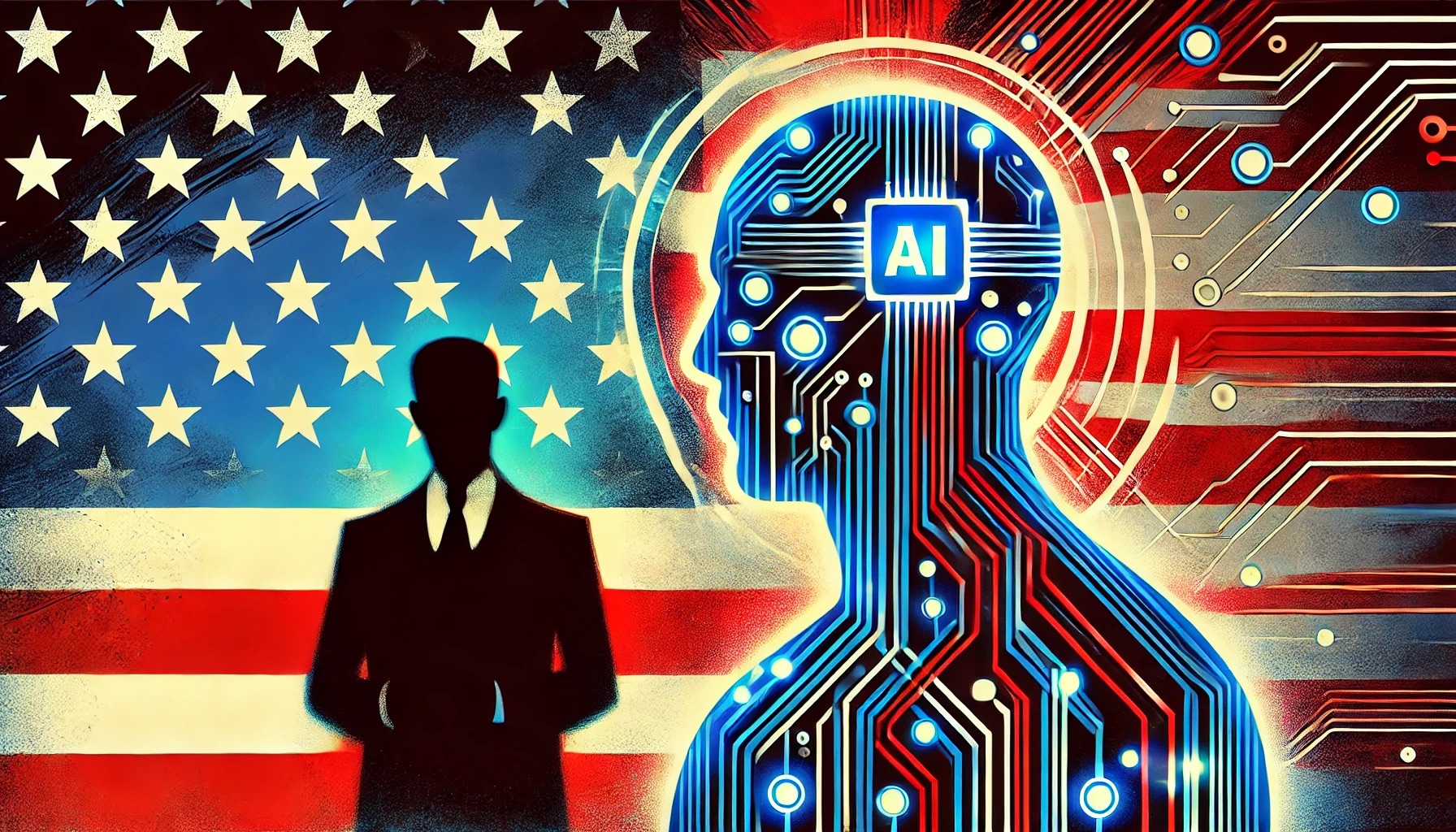
Policymakers are facing tough decisions on AI safety as rapidly evolving technology creates cybersecurity risks and oversight gaps. A US official emphasized the need for industry collaboration to address synthetic content manipulation and other challenges.
AI Safeguards Hindered by Evolving Science
Reuters reports that a huge obstacle stands in the way of policymakers who want to propose AI protections: a field that is still developing.
Elizabeth Kelly, head of the U.S. Artificial Intelligence Safety Institute, stated on Tuesday that developers of AI systems are themselves struggling with the question of how to avoid the exploitation of such technologies, and that there is no simple solution that government authorities can adopt.
Kelly raised the issue of cybersecurity while speaking at the New York City Reuters NEXT conference. According to her, "jailbreaks," or methods to get over the security and other restrictions put in place by AI research facilities, are not hard to implement.
"It is difficult for policymakers to say these are best practices we recommend in terms of safeguards, when we don't actually know which ones work and which ones don't," said Kelly.
Experts in the field of technology are currently arguing about the best way to evaluate and safeguard AI in all its forms.
Cybersecurity Challenges Amplify AI Safety Concerns
The use of synthetic materials is another topic. She expressed her concern that authorities are finding it too easy to manipulate digital watermarks, which show customers when photos are created using artificial intelligence, in order to set industry standards.
Kelly noted that the U.S. AI Safety Institute, which was established during the Biden administration, is working to address these concerns through coalitions of academia, businesses, and nonprofits, which in turn drive the institute's assessments of AI technology.
Per Investing.com, concerning the fate of the organization following Donald Trump's inauguration in January, she stated that AI safety is a "fundamentally bipartisan issue."
Global Cooperation on Interoperable AI Safety Testing
Earlier this month, in San Francisco, Kelly, the institute's first director, presided over the first-ever meeting of AI safety institutions from all over the globe.
With the assistance of more technical, hoodie-wearing specialists than in a normal diplomatic meeting, Kelly stated that the ten member countries were striving toward interoperability safety testing when questioned about the results of these gatherings.
"It was very much getting the nerds in the room," according to her.







