


 TikTok Nears $400 Million Settlement With Trump Administration Over Child Privacy Lawsuit
  US Trade Court Blocks Trump’s 10% Global Tariffs
  Russia Downs Over 50 Drones Near Moscow Ahead of Victory Day Ceasefire
  Trump Invites Top CEOs Including Nvidia, Apple, Boeing to China Summit With Xi Jinping
  US-Iran Ceasefire Under Pressure as Fresh Strait of Hormuz Clashes Shake Oil Markets
  S&P 500, Nasdaq Hit Record Highs as AI Stocks Rally and Strong Jobs Data Boost Confidence
  Judge Delays SEC Settlement With Elon Musk Over Twitter Stock Disclosure Case
  Japan’s Yen Intervention and BOJ Rate Hike Bets Support Currency Recovery
  Vietnam Plans AI-Driven Propaganda Push With Influencers and Podcasts
  Gold Prices Rise as Weaker Dollar and U.S.-Iran Peace Hopes Boost Demand
  US Revises UN Resolution on Iran Strait of Hormuz Attacks Amid Russia-China Opposition
  China-Made Fireworks Power U.S. Independence Day Celebrations Amid Trade Truce
  Trump Says U.S. Navy Destroyers Passed Strait of Hormuz Under Iranian Fire
  Iran-U.S. Peace Deal Near as Oil Prices Fall and Nuclear Disputes Persist
  Asian Stocks Rally as Japan’s Nikkei Hits Record High on U.S.-Iran Peace Optimism
  China Export Growth Surges in April as Global Buyers Rush to Secure Supplies
  Iran Accuses U.S. of Violating Strait of Hormuz Ceasefire with Ship and Coastal Attacks


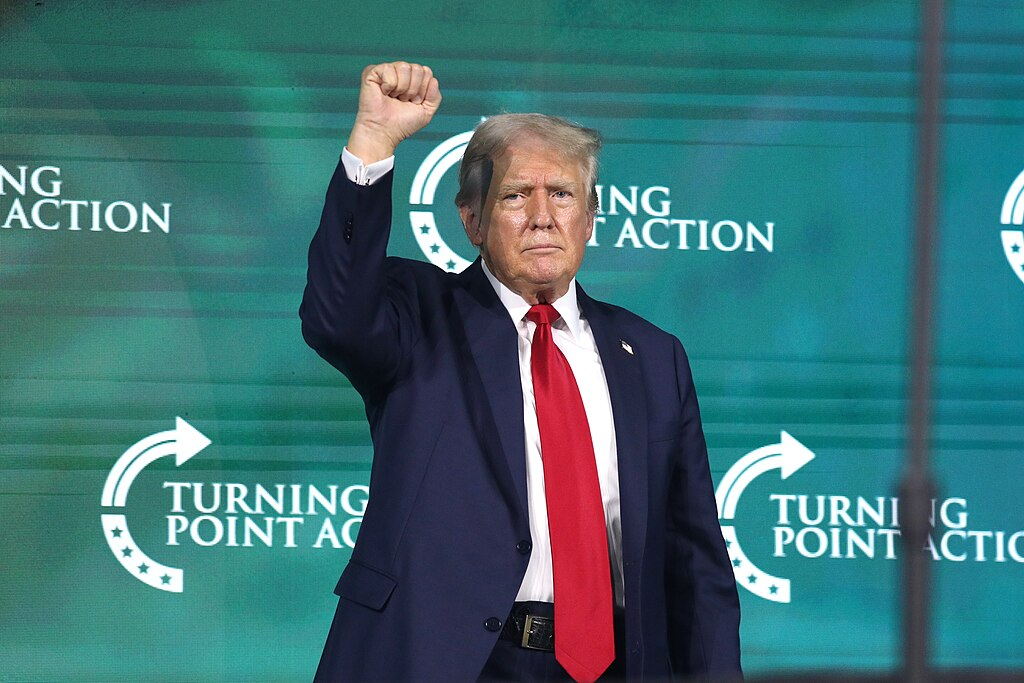
China’s economic growth is at risk as Trump’s 60% US tariff hike looms. ANZ Research predicts a potential 1.5% GDP reduction, echoing tensions from the 2018 trade war and signaling further strain on global trade dynamics.
Trump's Tariff Plans Could Slash China's GDP by 1.5%
According to ANZ Research, China's GDP would fall by 1.5 percent in the next years as a result of the expected rise in U.S. tariffs on Chinese imports, Investing.com shares.
In this scenario, a tariff increase of up to 60% is anticipated. During his campaign for president, Donald Trump promised to slap tariffs of more than 60% on Chinese imports and to remove China's most-favored-nation trading status.
This study is based on findings from the last US-China trade war (2018–2020), when tariffs severely limited trade between the two countries. ANZ pointed out that Trump's forthcoming tariff measures are reminiscent of his previous approaches and will likely make trade disruptions worse.
China Expands Global Trade Partnerships Amid Challenges
In an effort to lessen its reliance on the United States, China has been broadening its economic alliances since 2018. According to a note from ANZ analysts, the proportion of U.S. imports from China dropped to 12.2% by 2023, a fall of 5.1 percentage points from 2018.
At the same time, China increased commerce with Latin American and ASEAN nations. Deflationary pressures and overcapacity problems make it difficult for China to move exports to other countries, thus this plan has its limitations, according to economists.
ANZ analysts warn that devaluing the currency won't do much to counteract the effects of tariffs, therefore it shouldn't be used as a countermeasure. This strategy loses some of its appeal due to the possibility of capital outflows, as a 20% depreciation of the Chinese yuan would only lead to a 4.4% drop in US retail prices.
Vietnam and Mexico Emerge as Trade Winners
Countries such as Vietnam and Mexico have reaped significant benefits from China's investments, according to ANZ, as the global supply chain realignment gains momentum. Rising trade frictions, however, pose a further possibility of complicating these processes.
The anticipated tariff hikes will put a strain on China's economic growth and trade balance in the near term, according to ANZ analysts. However, the country's reduced reliance on U.S. trade does provide some buffer.







