


 Oil Prices Climb as Iran Reviews U.S. Peace Proposal Amid Middle East Tensions
  Oil Prices Plunge Over 6% as Middle East Ceasefire Hopes Ease Supply Fears
  Gold Prices Surge on U.S.-Iran Ceasefire Reports
  Asian Currencies Weaken as Dollar Rebounds Amid Middle East Uncertainty and Japan Inflation Data
  Iran-Israel Missile Strikes Continue Amid Mixed Signals on U.S.-Iran Diplomacy
  Wall Street Slides as Iran War Uncertainty, Oil Surge, and AI Fears Rattle Markets
  Japan Eyes Oil Futures Intervention to Stabilize Yen Amid Middle East Crisis
  U.S. Oil Prices Slide as Middle East Ceasefire Talks Spark Market Optimism
  Middle East War Rattles Global Markets as Oil Tops $100 and Dollar Surges
  Trump Tariffs Show Minimal Economic Impact but Boost Federal Revenue, Study Finds
  Asian Stocks Gain Amid Iran Conflict Uncertainty
  Gold Prices Climb as Middle East Ceasefire Talks Stir Market Optimism
  Federal Reserve Balance Sheet Reduction: Brookings Research Outlines Possible Path Forward
  UK Consumer Confidence Weakens Amid Middle East Conflict and Rising Living Costs
  WTO Reform Talks Begin in Cameroon Amid Global Trade Tensions
  Bank of Japan Officials Signal Continued Interest Rate Hikes Amid Inflation Concerns


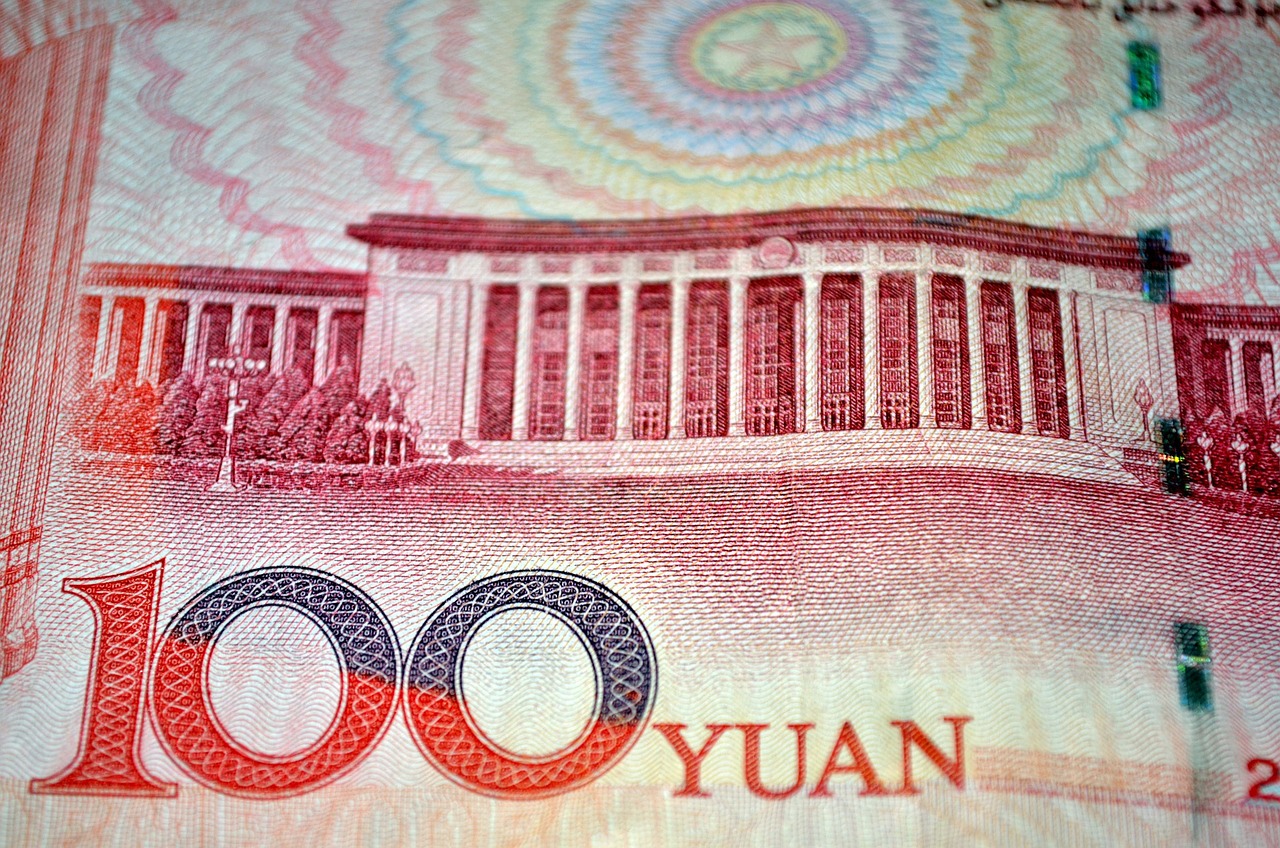
China’s foreign exchange reserves increased modestly in May, rising by just $3.6 billion to $3.285 trillion, according to data released Saturday by the State Administration of Foreign Exchange (SAFE). The gain fell short of market expectations, with a Reuters poll forecasting reserves to reach $3.292 trillion. In April, reserves stood at $3.282 trillion.
Despite the rise, the increase was lower than anticipated, reflecting ongoing fluctuations in global currency markets and asset valuations. SAFE attributed the change to “the combined effects of exchange rate conversion and asset price changes.”
During the same period, the Chinese yuan weakened by 1.05% against the U.S. dollar, while the dollar index—which measures the greenback against a basket of major currencies—dipped 0.23%, indicating broader weakness in the U.S. currency. This currency dynamic likely contributed to the slower-than-expected reserve growth.
China maintains the world’s largest foreign exchange reserves, a critical buffer for economic stability and a key indicator watched closely by global investors. The modest increase suggests cautious capital movements and continued pressure on the yuan amid geopolitical and economic uncertainties.
While a weaker dollar typically boosts the value of non-dollar assets in reserve portfolios, the yuan’s depreciation may have offset some of those gains. Analysts remain focused on how China manages its reserves amid U.S.-China tensions, interest rate shifts, and market volatility.
The subdued reserve growth highlights the delicate balance China faces in maintaining currency stability and supporting economic policy amid shifting global conditions.







