


 Gold Rebounds as Oil Falls and Treasury Rout Eases
  Robinhood Chain Token Ring Allegedly Extracts $18.4 Million Across 53 Launches
  Strategy Buys 1,665 Bitcoin as BTC Holdings Reach 847,666
  UK Housebuilder Stocks Surge on New First-Time Buyer Loan Scheme
  Global Central Banks Brace for More Rate Hikes as Inflation Risks Rise
  RBA Says ASX Still Falls Short on Governance and Risk Controls
  Fed Unveils Stablecoin Rules Under GENIUS Act
  China Industrial Profit Growth Slows as Weak Demand Offsets AI Gains
  Gold Holds Near Seven-Week Low as Fed Rate Hike Bets Rise
  IRS Warns Crypto ETFs Over Tax Loophole Risks
  Bitwise Launches NEAR ETF as $562 Bull Case Fuels AI Crypto Buzz
  RBI Uses $10 Billion Currency Swaps to Drain Excess Rupee Liquidity
  ECB May Stop Rate Hikes After December, Capital Economics Says
  Bitget Restores Withdrawals After $388 Million Security Breach


 Add as a preferred source on Google
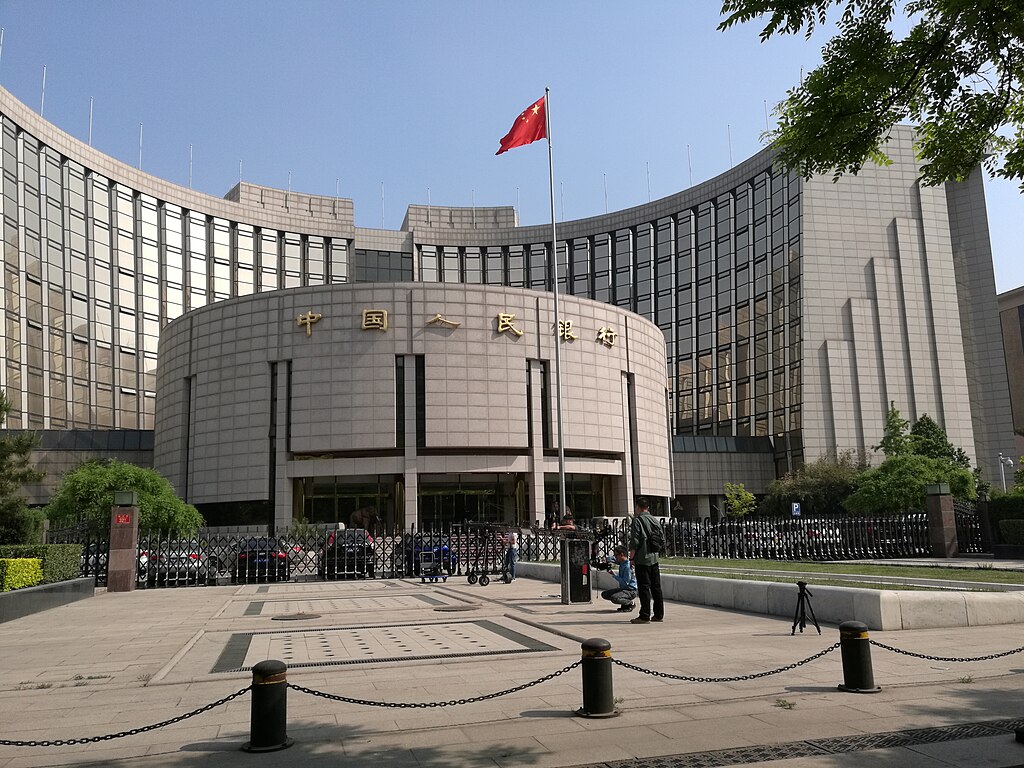
China is likely to implement more supportive monetary and fiscal policies to stabilize its slowing economy, according to Huang Yiping, an adviser to the People’s Bank of China and professor at Peking University. Speaking at the Bund Summit in Shanghai, Huang noted that while high-frequency economic indicators such as exports remain strong, confidence and sentiment across the economy have weakened significantly.
China’s latest third-quarter GDP data revealed that growth in the world’s second-largest economy has slowed to its weakest pace in a year. The slowdown reflects persistent challenges including subdued consumer confidence, high debt levels, and external pressures from global trade tensions. In response, policymakers are expected to adopt a more pro-growth stance without resorting to large-scale stimulus.
Huang emphasized that fiscal and monetary measures would likely “become more supportive to growth,” but cautioned that a massive expansion of policy is unlikely. Instead, the government may pursue incremental easing through targeted fiscal spending and moderate monetary loosening to encourage investment and domestic demand.
He also suggested that Beijing could leverage its relatively low central government debt to strengthen its macroeconomic response. As of September, China’s central government leverage ratio stood at 28.8% of GDP—significantly lower than that of major developed economies such as the United States and Japan. Huang proposed that increasing central government borrowing could help repair the balance sheets of households, enterprises, financial institutions, and local governments.
Meanwhile, China’s Communist Party leadership recently reaffirmed its commitment to building a modern industrial system and achieving technological self-reliance, viewing these as essential for long-term stability and competitiveness amid rising global economic rivalry.







