


 Asian Stocks Gain Amid Iran Conflict Uncertainty
  Oil Prices Rebound as Iran Denies U.S. Talks Amid Gulf War Supply Fears
  Trump Issues 48-Hour Ultimatum to Iran Over Strait of Hormuz, Threatens Power Grid Strikes
  Air Canada Express Crash at LaGuardia: Controller Distracted by Prior Emergency
  Middle East War Rattles Global Markets as Oil Tops $100 and Dollar Surges
  Tesla FSD EU Approval Delayed to April 10 as RDW Completes Final Review
  Australia-EU Free Trade Deal Signed After Years of Negotiations
  Suspicious Oil Market Trades Precede Trump's Iran Peace Post by 15 Minutes
  Australia's Inflation Eases in February but Core Pressures Persist
  Bank of Japan Officials Signal Continued Interest Rate Hikes Amid Inflation Concerns
  Belarus Frees 250 Political Prisoners in Landmark U.S. Sanctions Deal
  U.S. Officials Express Optimism Over New CDC Director Selection Amid Vaccine Policy Turmoil
  Oil Prices Climb as Iran Reviews U.S. Peace Proposal Amid Middle East Tensions
  X Agrees to Overhaul Blue Checkmark System in EU After €120 Million DSA Fine
  FCC Approves $3.54B Nexstar-Tegna Merger, Waiving Broadcast Ownership Cap


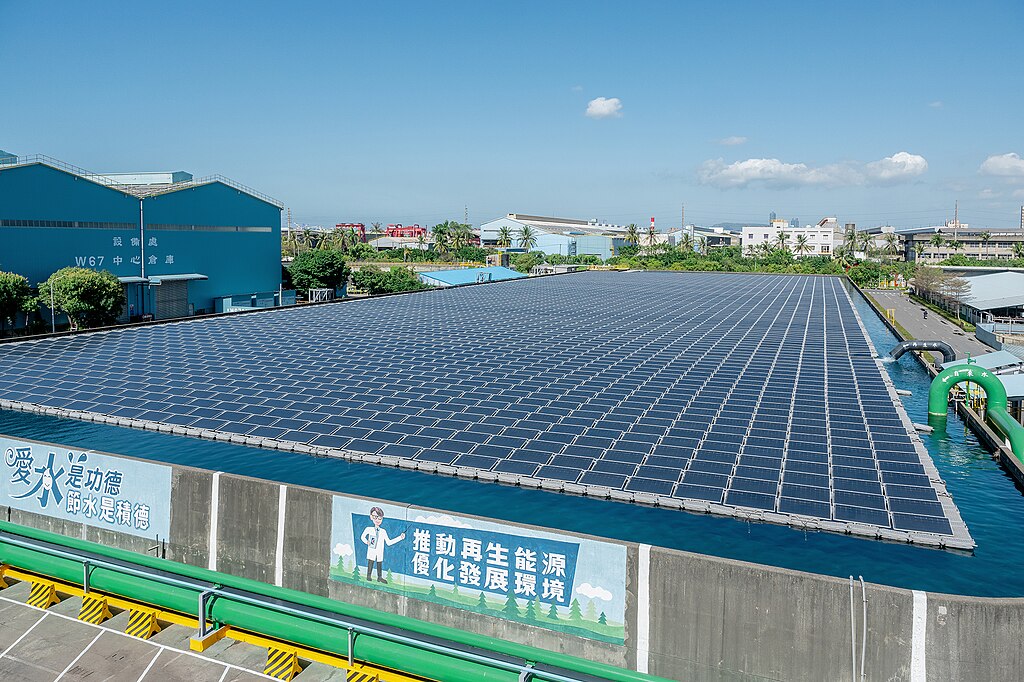
China’s top economic planning agency announced plans to scale back subsidies for renewable energy projects after a record surge in solar and wind power installations. In 2024, China’s installed solar capacity soared by 45%, reaching 887 GW—over six times that of the U.S., according to the International Renewable Energy Agency.
This rapid expansion allowed China to hit its 2030 clean energy target six years ahead of schedule. The shift comes as President Donald Trump withdraws the U.S. from the Paris climate accord for a second time, focusing instead on fossil fuel expansion.
The National Development and Reform Commission (NDRC) and China’s energy administration introduced "market-oriented" policy changes, stating that renewable energy now makes up more than 40% of China's total energy capacity. The NDRC emphasized that lower development costs have reduced the need for subsidies.
Starting in June, new renewable energy projects will be subject to market-based bidding for electricity prices. The NDRC assured that residential and agricultural electricity costs would remain unchanged, while industrial and commercial rates would see minimal impact.
The agency is working with local governments to implement the new policies but did not disclose the pricing formula. Reduced subsidies could challenge China’s solar industry, already struggling with overcapacity and falling solar panel prices. Smaller producers may face bankruptcy as competition intensifies.
China’s clean energy transition remains a global focal point, with its rapid growth contrasting the U.S.’s shift back to fossil fuels. The new policy marks a significant shift in China’s energy landscape, signaling a move toward market-driven renewable energy pricing.













