


 Dollar Slips as Strong U.S. Jobs Data Reduces Fed Rate Cut Expectations
  Senate Stablecoin Bill Sparks Clash Between Banks and Crypto Industry
  Trump Administration Dismisses Entire National Science Board, Sparking Debate Over Scientific Independence
  Federal and State Authorities Conduct Widespread Fraud Raids Across Minnesota
  European Stocks Fall as US-Iran Conflict Rekindles Energy Supply Fears
  Japan Tech Stocks Surge as AI Optimism Lifts SoftBank, Chipmakers
  Ghana Rejects U.S. Health Deal Over Data Sharing Concerns Amid Foreign Aid Shift
  Israel Expands Gaza Restricted Zones, Raising Concerns for Civilians and Aid Access
  S&P 500, Nasdaq Hit Record Highs as AI Stocks Rally and Strong Jobs Data Boost Confidence
  Gold Prices Hold Firm as Iran Tensions and Dollar Swings Drive Safe-Haven Demand
  U.S.-China Beef Trade Deal Hopes Rise Ahead of Trump-Xi Summit
  US Trade Court Blocks Trump’s 10% Global Tariffs
  China-Made Fireworks Power U.S. Independence Day Celebrations Amid Trade Truce
  Wall Street Futures Edge Higher as Iran Tensions and AI Optimism Shape Markets
  Iran-U.S. Peace Deal Near as Oil Prices Fall and Nuclear Disputes Persist
  White House Withdraws Trump’s National Park Service Nominee Amid Criticism


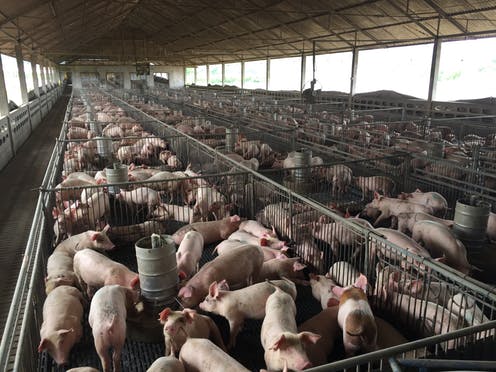
China is tightening regulations on a speculative livestock practice known as "refattening," where small-scale farmers and firms buy adult pigs from large breeders and fatten them further in hopes of rising pork prices. The government aims to stabilize the pork market, reduce price volatility, and curb excessive grain consumption in animal feed.
Refattening involves feeding market-ready pigs for a few more months to gain an extra 40–50 kg. While this bet can increase returns if pork prices rise, analysts warn it can amplify supply swings—leading to sharp price fluctuations and feed inefficiencies. With China pushing to reduce grain use and dependence on imported feed like U.S. soybeans, the practice is increasingly seen as problematic.
Pan Chenjun, a senior animal protein analyst at Rabobank, said the government wants to stabilize pork prices and protect smallholders from heavy losses. Refattening has become especially risky amid China’s ongoing pork oversupply and weak demand, which have pushed cash hog prices down to around 14 yuan per kilogram—significantly lower than the 21 yuan peak in August 2024.
Muyuan Foods, the nation’s largest pig breeder, announced it had stopped selling pigs to refatteners following policy rumors that briefly lifted pig breeding stocks. A crackdown is already in effect, particularly in Guangdong province, according to sources familiar with the matter.
Experts note that pigs over 120 kg become less feed-efficient, consuming more grain while producing diminishing weight gains. A 150-kg pig yields about 142% the meat of a standard 115-kg pig, but at greater feed costs.
With the pork industry facing supply and demand imbalances and feed reform goals, Beijing is determined to rein in refattening to protect long-term market stability.







