


 Pinterest Stock Falls as CFO Julia Brau Donnelly Resigns
  U.S. Probes Apex Logistics Over Nvidia AI Chip Shipments to China
  Google Changes EU Spam Policy Amid Antitrust Scrutiny
  Nvidia Options Price in $280 Billion Earnings Swing
  HP Stock Drops 9% Despite Q3 Earnings Beat and Raised 2026 Outlook
  Samsung Shares Tumble 8% as $79 Billion Return Plan Disappoints
  New Zealand Moves to Ban Social Media for Children Under 16
  Countries Tighten Social Media Bans for Children
  Xiaomi Unveils Xring O3 Chip for Flagship Foldable Phone
  Faraday Future Delivers First Robots in Middle East, Plans September Launches
  Nvidia Pauses AI Cloud Financing Deals Amid Antitrust Concerns
  BofA Names ASML Top Semiconductor Equipment Pick on Growth, Valuation
  SoftBank Plans Record $6.3 Billion Bond Sale to Fund OpenAI Investments
  Unitree Shares Plunge 45% After Blockbuster IPO, Raising China Tech Bubble Fears
  OpenAI Data Center Chief Chris Malone Exits Ahead of Planned 2027 Listing
  U.S. Disrupts China-Linked Hacking Campaign Targeting Government Agencies


 Add as a preferred source on Google
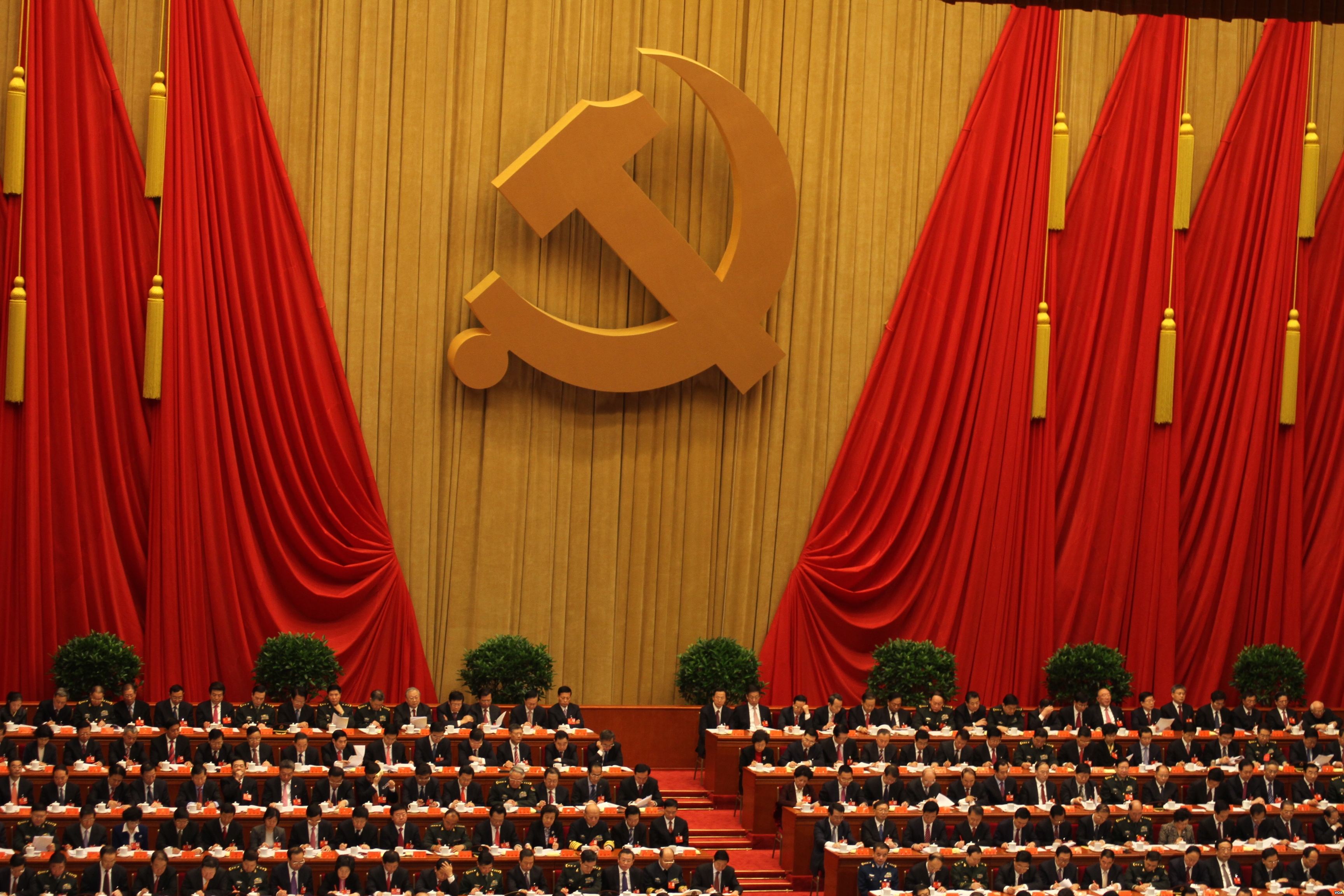
In keeping with its long-time tradition of online censorship, China just added WhatsApp on its list of apps that will no longer be tolerated in the country. The red government did this with the chat service before and the ban was lifted a few days afterward. Now, the obvious questions are whether or not this new ban will be permanent and why it was done in the first place.
The reason for banning WhatsApp is largely speculated to involve the upcoming Communist Party shindig that is about to happen in a month’s time, The New York Times reports. The government is stepping up its surveillance efforts and removing messaging apps from the equation would certainly help with that.
While the ban is something that benefits the Chinese government, it’s a huge problem for Mark Zuckerberg who has been trying to re-enter the country’s market. That’s why the Facebook founder has been diving deep into learning China’s language, which might not go as far as he had hoped, now that WhatsApp has been dropped.
As a result, all of Zuckerberg’s products have now been officially banned from one of the largest social media markets in the world. This development also further highlights China’s commitment to blocking all forms of unsanctioned communications, which might even involve the use of new software capable of interfering with end-to-end encryption.
Once the gathering of China’s top dogs is concluded, there is a chance that the ban could be lifted, at least in some capacity. If it is, it could go a long way towards dissuading political dissidents from relying too much on encrypted messaging software. If WhatsApp is permanently banned, it could cause widespread disruption in the business sector where companies using the app are unable to communicate with many of their customers, Tech Crunch points out.







