


 Rubio Presses Italy Over Iran Support as Tensions Test U.S.-Italy Alliance
  Russia Accuses Ukraine of Ceasefire Violations Amid Drone and Artillery Attacks
  US Revises UN Resolution on Iran Strait of Hormuz Attacks Amid Russia-China Opposition
  Ukraine-Russia Ceasefire Confirmed as Prisoner Swap Deal Advances
  Judge Delays SEC Settlement With Elon Musk Over Twitter Stock Disclosure Case
  Israeli Strikes in Gaza Kill Three as Ceasefire Tensions Continue
  TikTok Nears $400 Million Settlement With Trump Administration Over Child Privacy Lawsuit
  Germany Rejects Putin’s Proposal for Schroeder to Mediate Ukraine Peace Talks
  Malaysia Unveils Energy Security Plan Amid Iran Conflict and Rising Oil Costs
  U.S., South Korea Launch Shipbuilding Partnership Initiative
  Trump Announces Russia-Ukraine Ceasefire for May 9-11 Amid Ongoing Peace Talks
  Trump Invites Top CEOs Including Nvidia, Apple, Boeing to China Summit With Xi Jinping
  Israel’s Secret Iraq Base Allegedly Supported Iran Air Campaign, WSJ Reports
  Trump Inspects Lincoln Memorial Reflecting Pool Renovation in Washington
  China-Made Fireworks Power U.S. Independence Day Celebrations Amid Trade Truce
  Senate Stablecoin Bill Sparks Clash Between Banks and Crypto Industry
  Trump Administration Releases New UFO Files and Apollo Mission Records


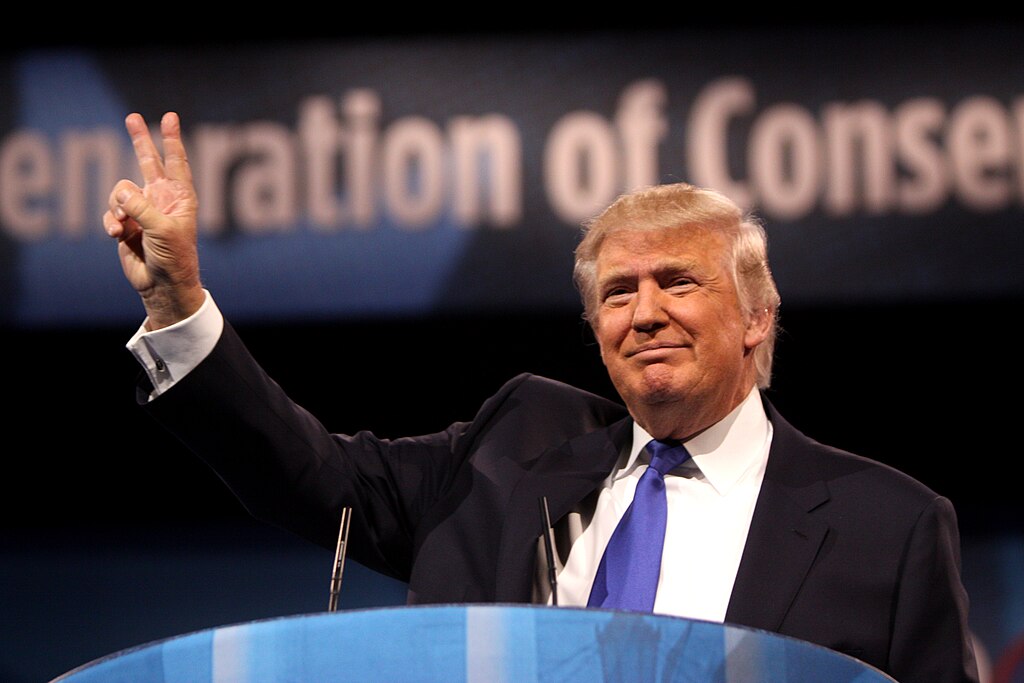
The CIA has publicly refuted conspiracy theories linking it to Thomas Matthew Crooks, the 20-year-old gunman who attempted to assassinate former President Donald Trump. Since the July 13 shooting, far-right theorists have speculated that Crooks might have been influenced by the CIA’s defunct MKULTRA mind control program, a claim the agency has strongly denied.
Online speculation about shadowy deep-state plots is nothing new, but the CIA rarely addresses such theories. This time, however, the agency felt compelled to respond. In an official statement, a CIA spokesperson called the claims "utterly false, absurd, and damaging." The spokesperson emphasized that the CIA had no connection to Crooks and noted that MKULTRA, a program infamous for its illegal human experiments, was shut down over 40 years ago. Declassified information about the program is available on the CIA’s website, the spokesperson added.
The conspiracy theories gained traction on social media, with accounts like Real Global News suggesting that Crooks was a "test subject" triggered by the CIA. These unfounded claims evoke the long-standing and widely debunked theories about CIA involvement in high-profile assassinations, such as that of John F. Kennedy.
While the theories might seem far-fetched, the legacy of MKULTRA continues to fuel public skepticism. First revealed in the 1970s, MKULTRA involved illegal experiments aimed at developing brainwashing techniques. This history makes it difficult for the CIA to fully dispel suspicions, as noted by Jefferson Morley, an author who has extensively researched the CIA and the JFK assassination. Morley explained that the mainstream press’s dismissive attitude towards questioning the CIA only deepens public mistrust.
Tom O’Neill, who explored connections between Charles Manson and MKULTRA in his book "Chaos," observed a spike in his book sales whenever a high-profile violent event occurs. He believes this reflects a widespread public desire to find larger conspiratorial explanations for such acts, rather than accepting the possibility of lone assailants.
Joseph Uscinski, a political scientist at the University of Miami specializing in conspiracy theories, noted that people tend to adopt ideas that align with their preexisting worldviews. For many, this includes a belief in powerful, secretive groups controlling significant events. Uscinski highlighted the danger of political leaders and media personalities who propagate these theories, pointing specifically to Donald Trump, whom he described as "our conspiracist-in-chief."
Trump's propensity to endorse conspiracy theories exacerbates the issue, Uscinski argued. He pointed out that while it’s easy to dismiss fringe online theorists, the real concern lies with influential figures who lend credibility to these ideas, thereby undermining public trust in institutions.
The CIA’s rare public denial underscores the persistent challenge of combating conspiracy theories in an era where misinformation can spread rapidly online. As the agency continues to deal with the fallout from past clandestine activities, its efforts to maintain credibility are more crucial—and more complicated—than ever.







