


 Uber Ordered to Pay $8.5 Million in Bellwether Sexual Assault Lawsuit
  Once Upon a Farm Raises Nearly $198 Million in IPO, Valued at Over $724 Million
  Minnesota Judge Rejects Bid to Halt Trump Immigration Enforcement in Minneapolis
  OpenAI Expands Enterprise AI Strategy With Major Hiring Push Ahead of New Business Offering
  Ford and Geely Explore Strategic Manufacturing Partnership in Europe
  US Judge Rejects $2.36B Penalty Bid Against Google in Privacy Data Case
  Instagram Outage Disrupts Thousands of U.S. Users
  Alphabet’s Massive AI Spending Surge Signals Confidence in Google’s Growth Engine
  Missouri Judge Dismisses Lawsuit Challenging Starbucks’ Diversity and Inclusion Policies
  Gold and Silver Prices Slide as Dollar Strength and Easing Tensions Weigh on Metals
  Jerome Powell Attends Supreme Court Hearing on Trump Effort to Fire Fed Governor, Calling It Historic
  Meta Faces Lawsuit Over Alleged Approval of AI Chatbots Allowing Sexual Interactions With Minors
  Supreme Court Signals Doubts Over Trump’s Bid to Fire Fed Governor Lisa Cook
  Trump Endorses Japan’s Sanae Takaichi Ahead of Crucial Election Amid Market and China Tensions
  Parents abused by their children often suffer in silence – specialist therapy is helping them find a voice
  RBI Holds Repo Rate at 5.25% as India’s Growth Outlook Strengthens After U.S. Trade Deal
  South Africa Eyes ECB Repo Lines as Inflation Eases and Rate Cuts Loom


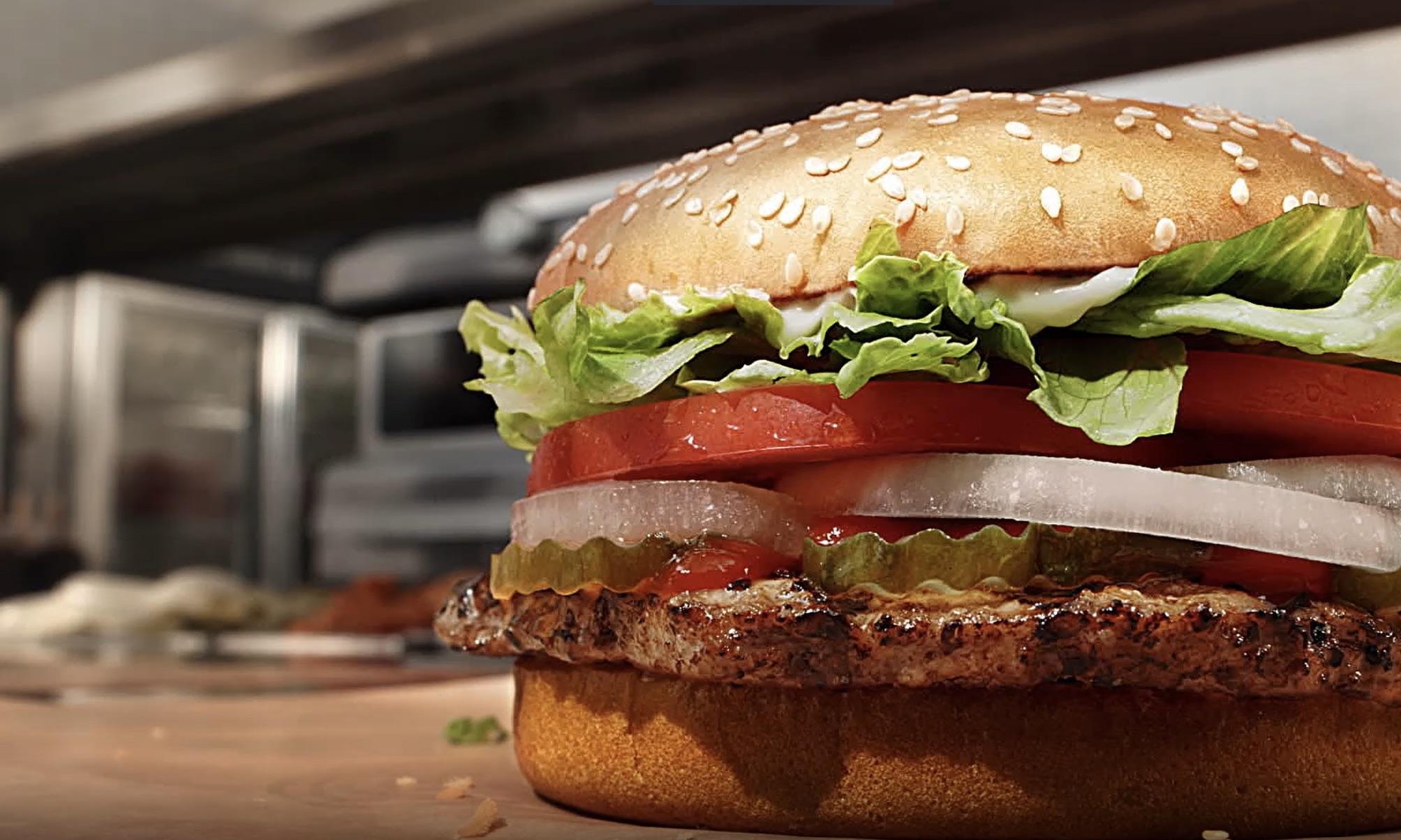
A U.S. court ruled against Burger King's attempt to quash a lawsuit alleging deceptive advertising, claiming the Whopper appeared larger in ads. This decision may influence similar cases involving major fast-food chains.
U.S. District Judge Roy Altman, presiding over the case in Miami, ruled that Burger King must face legal action regarding allegations that its in-store menu boards falsely portrayed the Whopper. The judge stated that the depiction misleads reasonable customers, potentially constituting a breach of contract.
The proposed class action, representing customers who felt deceived, accuses Burger King of showcasing burgers with overflowing ingredients that give the impression of being 35% larger and containing more than double the amount of meat served.
In response, Burger King, a subsidiary of Restaurant Brands International, argued that it is not obligated to deliver burgers that look "exactly like the picture." Judge Altman insisted that it is up to the jurors to determine what reasonable people would think.
In his official decision on Friday, Judge Altman permitted the customers to proceed with claims based on negligence and unjust enrichment. However, he dismissed claims revolving around TV and online ads, as none promised a specific burger size or weight and failed to deliver on those promises.
Burger King and its legal representatives did not immediately respond to requests for comment. Similarly, the plaintiff's lawyer was not available for comment then. Prior attempts to mediate a settlement between the parties have proven unsuccessful.
This ruling holds implications beyond Burger King. Other fast-food chains, including McDonald's and Wendy's, are battling similar lawsuits in a federal court in Brooklyn, New York. The plaintiff's attorney in the ongoing case referenced Judge Altman's opinion to substantiate continuing the proceedings.
Further, Taco Bell, a subsidiary of Yum Brands, recently faced a legal challenge in the Brooklyn court. The lawsuit alleges that the popular chain sells Crunchwraps and Mexican pizzas with only half the filling advertised.
Each lawsuit seeks a minimum of $5 million in damages, shedding light on the ongoing battle between consumers and fast-food giants over truthful advertising practices.
Photo: Burger King Newsroom













