


 Dollar Hits Two-Month High as Fed Rate Hike Bets Rise
  Oil Prices Ease as Iran Tensions Clash With Diplomacy Hopes
  Extreme heat, flooding, wildfires – Colorado’s formerly incarcerated people on the hazards they faced behind bars
  Oracle Shares Fall as New Mexico AI Data Center Faces Power Delays
  Burkina Faso and Mali’s fabulous flora: new plant life record released
  How ongoing deforestation is rooted in colonialism and its management practices
  Ukraine minerals deal: the idea that natural resource extraction can build peace has been around for decades
  Tencent Launches TenPayGo Payment App for Foreign Tourists in China
  The world’s biggest trees could hold the secret to coping with drought
  US, China Extend Trade Truce to Jan. 10 Ahead of Trump-Xi Summit
  Drug pollution in water is making salmon take more risks – new research
  Mercedes-Benz Eyes €800 Million Labor Cost Cuts in Germany
  How to create a thriving forest, not box-checking ‘tree cover’
  BlackBerry Shares Rise as Q2 Earnings, Revenue Beat Estimates
  Fungi are among the planet’s most important organisms — yet they continue to be overlooked in conservation strategies
  Swimming in the sweet spot: how marine animals save energy on long journeys


 Add as a preferred source on Google
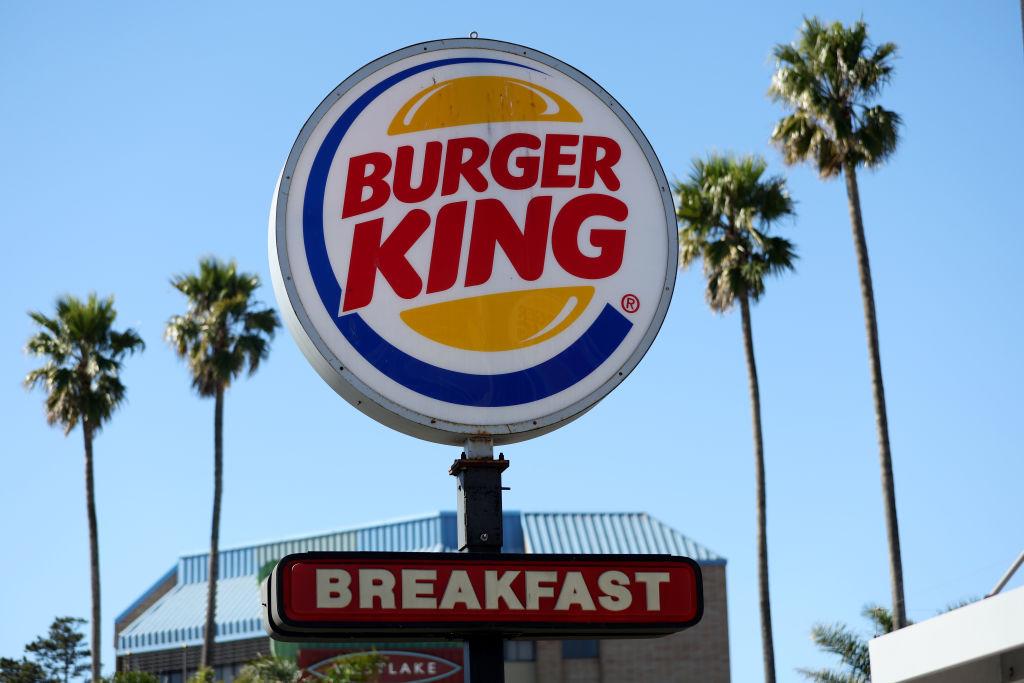
Burger King revealed plans to transition its North American field team fleet to 100 percent EVs by 2030.
The hamburger giant announced that it has transitioned 31 percent of its field team fleet in North America to electric vehicles across 16 states. By 2030, it aims to have an entire zero-emission EV North American flee
The field team lives in various states traveling to franchise locations to work closely with management and the BK team to enhance the customer experience, traveling over 1,500 miles on average monthly.
Burger King is working with Element Fleet Management, a leading automotive fleet manager, to expand its EV fleet.
It has already committed to reducing Scope 1 and 2 greenhouse gas emissions by 50% by 2030 on its way to achieving net-zero emissions by 2050.
Burger King is also working to increase its use of renewable packaging and recycling to reduce waste.







