


 Alphabet Q2 Earnings Beat Estimates as AI Spending, Google Cloud Growth Fuel Outlook
  Cathay Pacific Sees H1 Profit Surge on Strong Travel Demand
  Judge Approves Anthropic’s $1.5 Billion AI Copyright Settlement With Authors
  Nvidia Reveals 9.3% Stake in AI Cloud Firm Nebius Following $2 Billion Investment
  Domino’s Weighs Appeal After Australian Court Rules Workers Were Misled on Pay
  Wistron Opens $700M Texas AI Factory to Build Nvidia Superchips in U.S.
  GE Vernova Q2 Revenue Tops Estimates as Earnings Miss, Shares Slide Despite Higher 2026 Outlook
  Elon Musk Fuels SpaceX-Tesla Merger Speculation After Earnings Call
  Oracle Stock Rises After Winning Up to $6.99 Billion U.S. Defense Software Contract
  Trump Administration Monitors OpenAI Incident as Lawmakers Push AI Kill Switch Bill
  Amkor Stock Surges 17% After $1.5 Billion Nvidia AI Packaging Partnership
  GM Q2 Earnings Beat Estimates as General Motors Raises 2026 Profit Outlook
  Volkswagen Cuts 2026 Revenue Outlook as China Weakness, Trade Risks Weigh
  Nike Shifts China Online Sales Strategy to Boost Brand and Fight Local Rivals
  Intel, AMD Seek Long-Term China Server CPU Deals as AI Demand Drives Supply Crunch
  IBM Q2 Earnings Miss Estimates as Software Growth Offsets Infrastructure Weakness
  Scandinavian Tobacco Group Sells BREAK and Moro Brands to Japan Tobacco for €176 Million


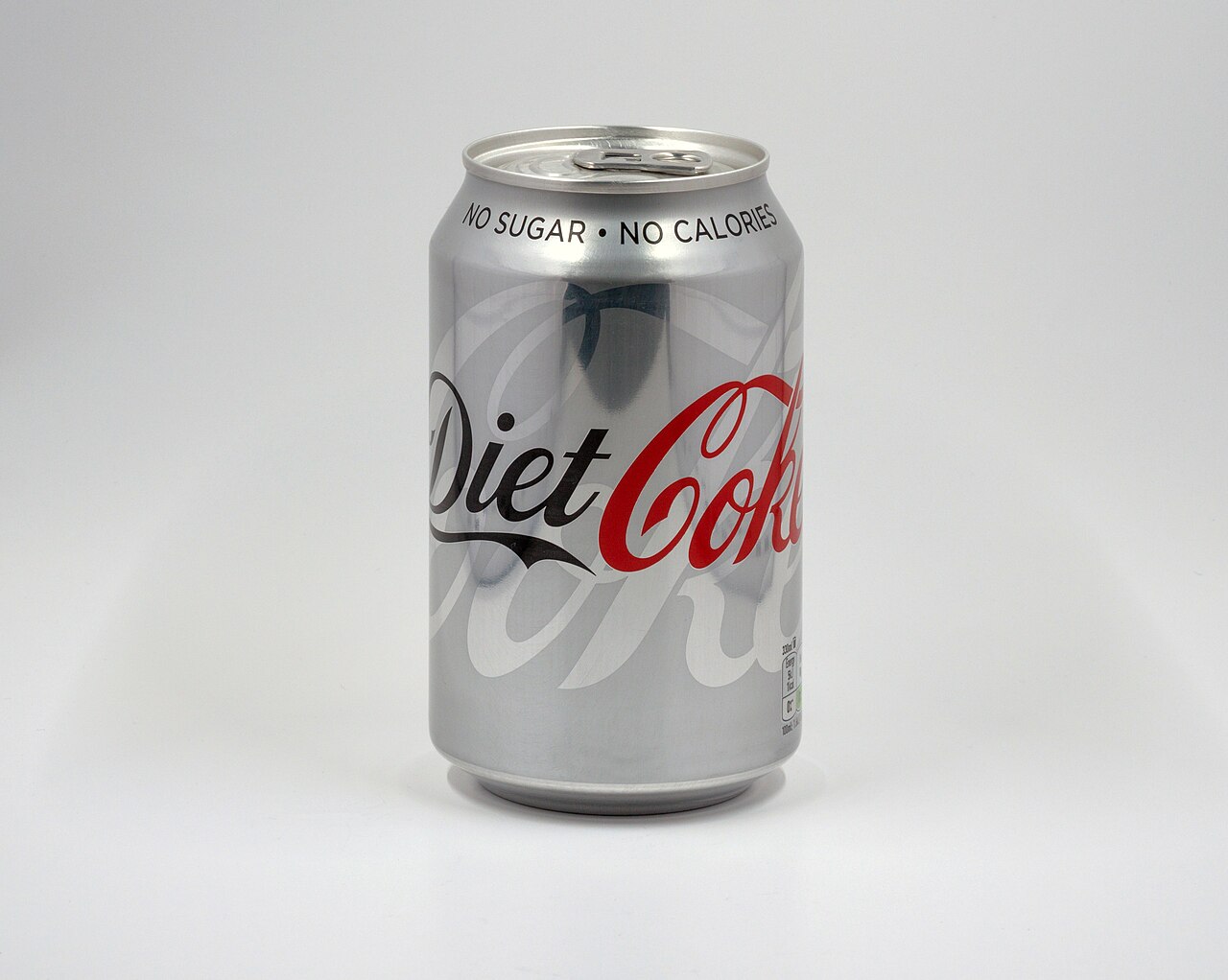
Coca-Cola has raised Diet Coke prices in India by more than 10% as ongoing disruptions linked to the U.S.-Israeli war on Iran continue to strain global supply chains, according to people familiar with the matter.
The price increase stems from shortages of aluminum cans after commercial shipping through the Strait of Hormuz, a critical trade route for aluminum and related raw materials, was severely disrupted following the collapse of an interim truce in the Middle East. The company has been forced to source larger and more expensive aluminum cans from Southeast Asia, increasing packaging costs.
India is particularly vulnerable because Diet Coke is sold primarily in aluminum cans, unlike most other Coca-Cola beverages, which are widely available in plastic and glass bottles. Sources said Coca-Cola has begun replacing its popular 300-milliliter Diet Coke can, previously priced at 40 Indian rupees (about $0.41), with a 330-ml can priced at 50 rupees. On a per-milliliter basis, the change represents a price increase of roughly 13.6%.
Coca-Cola has not publicly announced the pricing adjustment and did not respond to requests for comment.
To ease supply constraints, at least one Coca-Cola bottler in India has also started offering Diet Coke in 200-ml glass bottles for a limited period. However, online listings indicate the glass bottle version is significantly more expensive than the canned product.
The disruption highlights how geopolitical tensions in the Middle East continue to affect multinational companies by forcing costly supply chain adjustments and higher consumer prices in key growth markets.
India remains one of Coca-Cola’s fastest-growing markets, alongside rival PepsiCo. While Diet Coke has become increasingly popular among health-conscious consumers, Coca-Cola’s Coke Zero has avoided similar supply issues because it is sold in both plastic bottles and aluminum cans.
Diet Coke's recent popularity has also fueled a social media trend across India, with pubs and influencers hosting "Diet Coke parties" charging entry fees of $10 to $16, capitalizing on the drink's limited availability while pairing it with music and alcoholic beverages.







