


 Alaska Air Q3 Outlook Misses Estimates as Higher Fuel Costs Weigh on Profit Forecast
  SpaceX Aborts Starship Test Flight as Engine Issue Delays Launch
  Apple Intelligence China Approval Lifts Alibaba and Baidu Shares
  Nvidia Reveals 9.3% Stake in AI Cloud Firm Nebius Following $2 Billion Investment
  Why Maruti Suzuki Is Losing Market Share in India as SUVs and Premium Features Gain Popularity
  Nike Shifts China Online Sales Strategy to Boost Brand and Fight Local Rivals
  SpaceX Eyes Pentagon AI Deal as Cloud Pricing Strategy Pressures CoreWeave
  AI Chip Stocks Face Valuation Pressure as Investors Shift Toward Big Tech and Software
  KPMG Australia Appoints John Sams as CEO Following Audit Leak Scandal
  Morgan Stanley Downgrades Adobe, Workday as AI Transition Raises Growth Concerns
  Samsung Cuts U.S. Consumer Electronics Jobs as Headquarters Moves to Texas
  Lockheed Martin Unveils Lower-Cost Patriot ACE Interceptor to Meet Rising Air Defense Demand
  TSMC Sees Multi-Year AI Chip Demand as Arizona Expansion Reaches $265 Billion
  ASML Trillion-Dollar Valuation: Can Europe’s AI Chip Giant Reach the Historic Milestone?
  Nationwide Data Center Protests Highlight Growing Backlash Against AI Expansion
  Nvidia Partners With Fanuc and Yaskawa to Accelerate AI Robotics in Japan
  Bank of America Says These Overlooked AI Stocks Could Be the Next Winners


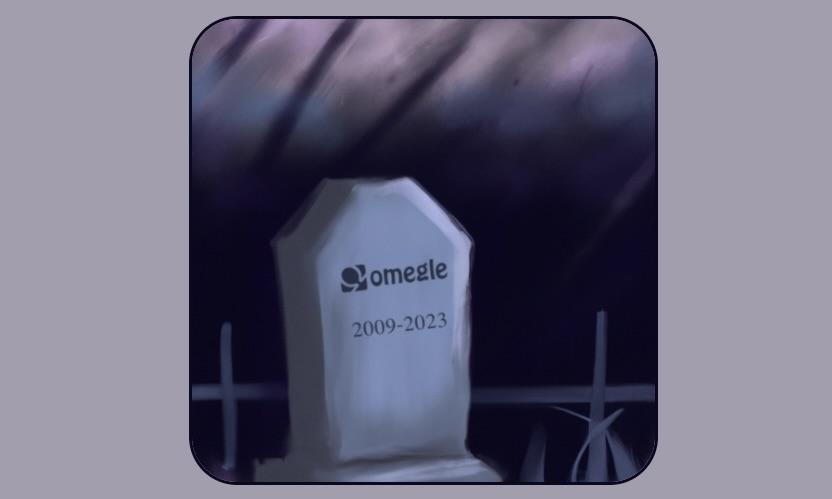
Today marks the end of a unique chapter in the story of internet socializing, as Omegle, the website that connected random strangers in chat rooms, has ceased operations. Leif K-Brooks, who created Omegle at just 18 years old, shared a heartfelt message with the community, recounting his journey and the reasons behind the shutdown.
For K-Brooks, the internet was always a wondrous place, offering a vast, vibrant world beyond the confines of his small-town upbringing. Online, he found a space where engaging in deep conversations and contributing to various projects was possible without the constraints of physical interaction—something particularly meaningful to him as a survivor of childhood trauma. This sense of safety and possibility inspired the creation of Omegle, aiming to bring a slice of that "global village" feel to everyone willing to meet someone new.
Struggles with Criminal and Malicious Activities
Despite its noble intentions and robust safety measures, including anonymity and extensive moderation, Omegle faced challenges. The darker side of online anonymity revealed itself through misuse and heinous crimes, something K-Brooks acknowledges candidly. Yet, Omegle also played a role in combatting these evils, working with law enforcement to bring perpetrators to justice.
In recent times, the increasing hostility in the world and relentless attacks on communication platforms have taken a toll on Omegle. K-Brooks expressed his concerns over the impact of such negativity on the freedom and joy the internet once promised. He stands firm on the belief that society should not impose restrictions that harm the innocent, paralleling the idea of curtailing freedoms due to the actions of a few to a societal surrender to fear.
Omegle Says Goodbye
According to Times Now, K-Brooks has decided to close Omegle, as the personal and financial burdens have become unsustainable. He warns of a grim future where the internet might lose its essence of active engagement and connection, becoming a mere vessel for passive consumption.
K-Brooks concludes with gratitude for those who used Omegle positively and contributed to its growth, expressing his regret that he could not continue the fight.
Cover Image: omegle.com







