


 U.S. Futures Slide as Iran Denies Nuclear Talks with Washington
  Wall Street Slides as Iran War Uncertainty, Oil Surge, and AI Fears Rattle Markets
  WTO Reform Talks Begin in Cameroon Amid Global Trade Tensions
  Bank of Japan Eyes April Rate Hike Despite Inflation Dip, ING Says
  Oil Prices Rebound as Iran Denies U.S. Talks Amid Gulf War Supply Fears
  Asian Stocks Gain Amid Iran Conflict Uncertainty
  ECB Eyes Rate Hike Amid Iran Conflict-Driven Energy Price Surge
  U.S. Oil Prices Slide as Middle East Ceasefire Talks Spark Market Optimism
  Japan Eyes Oil Futures Intervention to Stabilize Yen Amid Middle East Crisis
  Iran-Israel Missile Strikes Continue Amid Mixed Signals on U.S.-Iran Diplomacy
  U.S. Stock Futures Steady as Iran Reviews U.S. Ceasefire Proposal
  Japan's Private Sector Growth Slows in March Amid Rising Costs and Middle East Uncertainty
  UK Consumer Confidence Weakens Amid Middle East Conflict and Rising Living Costs
  Gold Prices Climb as Middle East Ceasefire Talks Stir Market Optimism
  Suspicious Oil Market Trades Precede Trump's Iran Peace Post by 15 Minutes
  Federal Reserve Balance Sheet Reduction: Brookings Research Outlines Possible Path Forward


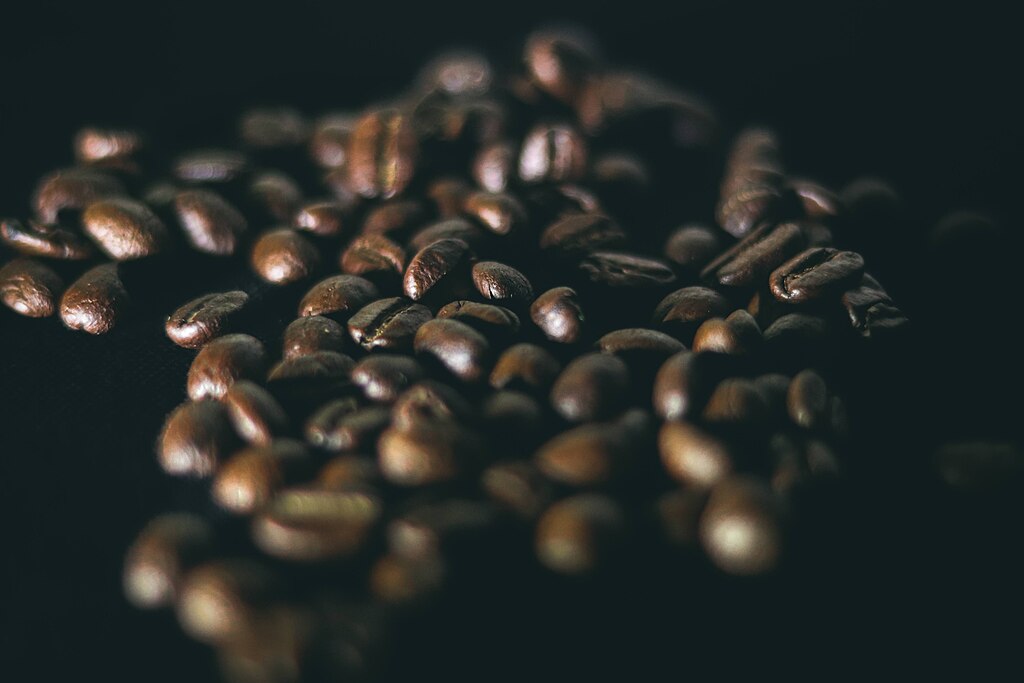
Brazil, the world’s largest coffee producer and the second-largest consumer after the United States, is facing a notable decline in domestic coffee consumption. A bi-annual survey conducted by research institute Axxus, commissioned by Brazil’s coffee industry association Abic, revealed that more Brazilians are cutting back on coffee due to rising prices and economic pressures.
The study, released Monday, surveyed more than 4,000 people across Latin America’s biggest economy. It found that 24% of respondents reduced their coffee intake in 2025—a dramatic jump from just 3% in 2023, 5% in 2021, and 7% in 2019. Meanwhile, only 2% reported increasing their coffee consumption this year, compared with 16% in 2023, 49% in 2021, and 36% in 2019.
High global coffee prices have played a major role in this shift. Earlier in 2025, coffee prices hit record highs amid supply challenges in top producing countries like Brazil and Vietnam. Domestically, coffee has also ranked among the food and beverage items that have risen the most within Brazil’s official inflation index (IPCA) over the past two years.
The survey also highlighted changes in drinking habits. The percentage of Brazilians who consume more than six cups of coffee per day dropped to 26% in 2025, down from 29% in the previous edition of the study. Researchers stressed that price sensitivity is becoming a central factor in consumer decisions.
“The survey showed an important drop in the intensity of consumption,” said Sergio Pereira, a coordinator of the study and researcher at the Coffee Center of the Campinas Agronomic Institute. “We also observed a greater weight of price in the purchasing decision.”
As global supply issues and domestic inflation continue to impact consumers, Brazil’s declining coffee consumption underscores how economic pressures are reshaping habits in one of the world’s most coffee-loving nations.













