


 SoftBank Eyes $20 Billion Bond Sale to Refinance OpenAI Loan
  PayPal Shares Sink as $50 Billion Takeover Bid Collapses
  US Tech Giants’ AI Bond Boom Raises Euro Zone Borrowing Risks
  SpaceX Mobile Network Could Cost Up to $130 Billion, Bernstein Says
  OpenAI Rejects Apple Trade Secret Theft Claims
  Apple’s Phil Schiller Steps Back as Leadership Shake-Up Accelerates
  Meta Agrees to $18 Billion Settlement, Tightens Teen Social Media Rules
  U.S. Probes Apex Logistics Over Nvidia AI Chip Shipments to China
  Thomson Reuters C-Track Cyberattack Hits Courts Across U.S. and Canada
  Nvidia Revenue Soars 106% as AI Demand Hits ‘Inflection Point’
  Faraday Future Delivers First Robots in Middle East, Plans September Launches
  ByteDance Secures $29.6 Billion Loan to Boost AI Investment
  MongoDB Stock Sinks 14% as Atlas Growth Misses Expectations
  U.S. Disrupts China-Linked Hacking Campaign Targeting Government Agencies
  Nvidia Pauses AI Cloud Financing Deals Amid Antitrust Concerns


 Add as a preferred source on Google
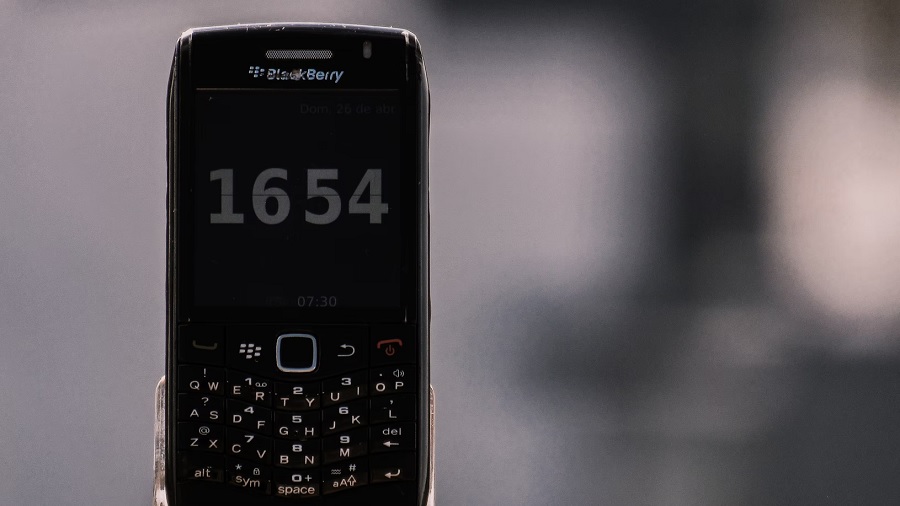
Before Android and iOS devices became the choice of smartphones for billions around the world, BlackBerry was known for being the dominant brand of smartphones. But many great things come to an end, and legacy BlackBerry phone models are headed in the same direction at the beginning of 2022.
The company recently reminded people who are using BlackBerry’s devices running on BlackBerry 7.1 operating system or earlier will no longer be supported starting Tuesday, Jan. 4, 2022. The same goes for BlackBerry 10 software, BlackBerry PlayBook OS 2.1, and its earlier versions.
Starting on the said date, devices using these BlackBerry legacy OS, software, and other services need to be retired. The company warned they “will no longer reliably function” regardless if a device is connected through Wi-Fi or a cellular network. End-of-support for these services means affected devices will start having issues in making connections and users might encounter difficulties when placing calls or sending SMS.
BlackBerry first announced the end of support for legacy products and services last year. At the time, it seemed like the end-of-life transition could have been completed sooner. But the company said, “We have chosen to extend our service until then as an expression of thanks to our loyal partners and customers.”
As mentioned, BlackBerry was known as one of the only brands that offered phones with smart functions on top of the usual SMS and call features. But for the most part, the brand largely appealed to the business community, making its hardware products known as go-to devices for people in the corporate world.
It can be said that the BlackBerry brand met a staunch rival in the first generation of iPhone, which entered the market in 2007. Unlike BlackBerry, the introduction of the iPhone showed regular tech consumers why they should also have a smartphone, and devices with larger touchscreen displays and on-screen keys added to its appeal. Ars Technica pointed out that Apple’s approach in making smartphones more appealing to the general public may have been the beginning of BlackBerry climbing down the ladder.
Photo by Alejandro Mendoza on Unsplash







