


 Brazil Pension Fund Crackdown After Banco Master Collapse Raises Investment Concerns
  Elon Musk Faces French Probe Over X and Grok Amid Rising U.S.-EU Tensions
  Anthropic Fights Pentagon Blacklisting in Dual Federal Court Battles
  Federal Judge Dismisses DOJ Lawsuit Attempting to Block Hawaii's Climate Case Against Oil Giants
  Trump Signals Major UFO Disclosure Coming Soon
  Israel Intercepts Gaza-Bound Aid Ships Far from Its Shores Amid Ongoing Blockade
  U.S. Disrupts Russian Military Hackers' Global DNS Hijacking Network
  Brazil Blocks Prediction Market Platforms, Tightens Derivatives Trading Rules
  Federal Appeals Court Allows Texas SB4 Immigration Law Enforcement to Proceed
  Taiwan Court Fines Tokyo Electron Unit $4.78M in Major TSMC Trade Secrets Case
  Florida Investigates OpenAI and ChatGPT Over Alleged Role in FSU Shooting
  Judge Dismisses Elon Musk’s Fraud Claims Against OpenAI, Trial to Proceed on Remaining Allegations
  Trump Administration Dismisses Entire National Science Board, Sparking Debate Over Scientific Independence
  US Freezes $344M in Crypto Linked to Iran Amid Escalating Sanctions
  RFK Jr. Faces Scrutiny Over David Geier’s HHS Role and Vaccine Review Work
  DOJ Launches Antitrust Investigation Into the NFL Over Broadcast Restrictions
  Federal Judge Rules CBP Violated Warrantless Arrest Order During Sacramento Immigration Sweep


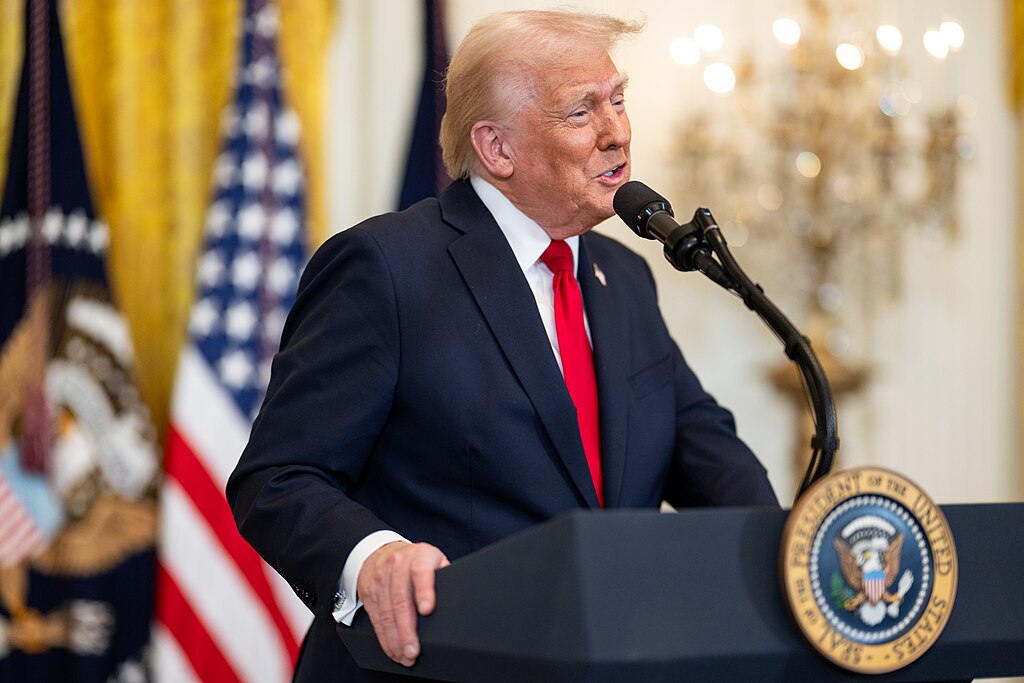
California and 18 other U.S. states are preparing to file a lawsuit in federal court to block President Donald Trump’s proposed $100,000 fee on new H-1B visas for highly skilled foreign workers. The lawsuit, to be filed in Massachusetts, represents at least the third major legal challenge to the controversial fee announced in September, which would dramatically increase the cost of hiring foreign professionals under the H-1B visa program.
Currently, employers typically pay between $2,000 and $5,000 in government fees for an H-1B visa. The new policy would impose a $100,000 payment as a condition for allowing new H-1B recipients to enter the United States. California Attorney General Rob Bonta’s office argues that Trump lacks the legal authority to impose such a fee and that it violates federal immigration law, which permits only cost-based administrative fees, not revenue-generating charges.
The H-1B visa program allows U.S. companies to employ foreign workers in specialty occupations such as technology, engineering, healthcare, and education. California, home to many major technology firms, relies heavily on H-1B workers. Bonta stated that the steep fee would place unnecessary financial strain on employers providing essential services, worsen labor shortages, and potentially reduce access to healthcare and education.
States joining California in the lawsuit include New York, Massachusetts, Illinois, New Jersey, and Washington. The White House has defended the policy in response to other lawsuits, stating that the fee is a lawful exercise of presidential authority and is intended to curb alleged abuse of the H-1B visa system.
Opponents of H-1B visas argue that the program can be used to replace American workers with lower-paid foreign labor. However, business groups, large employers, and industry associations maintain that H-1B workers are essential to filling critical skill gaps in the U.S. workforce. The U.S. Chamber of Commerce, along with a coalition of unions, employers, and religious organizations, has already filed separate lawsuits challenging the fee, with a hearing scheduled in Washington, D.C.
Bonta’s office emphasized that the $100,000 fee far exceeds the actual cost of processing H-1B petitions and therefore violates both federal law and the U.S. Constitution, which reserves revenue-raising powers for Congress, not the president.







