


 Honda Faces $4.3 Billion Loss After Scrapping EV Plans
  Iran-U.S. Oil Tensions Escalate as Revolutionary Guards Threaten Strait of Hormuz Blockade
  U.S. Senate Greenlights AI Chatbots for Official Staff Use
  Venezuela Names Paula Henao as New Oil Minister Amid U.S.-Led Industry Overhaul
  Anthropic Sues Pentagon Over AI Blacklist, Citing Free Speech Violations
  Lockheed Martin Invests $150M in Alabama Missile Production Facility
  Iran's Government Remains Stable Despite U.S. and Israeli Strikes, Intelligence Shows
  Domino's Pizza UK Reports 15% Drop in Annual Profit Amid Weak Sales and Rising Costs
  Thomas Mazloum Named Chair of Disney Experiences as Leadership Shakeup Takes Effect
  FBI Warns of Possible Iranian Drone Attacks on California Amid U.S.-Iran War
  Nintendo Stock Surges 10% as Pokémon Pokopia Breaks Sales Records
  Shots Fired at U.S. Consulate in Toronto in Suspected National Security Incident
  UBS Seeks Legal Protection Over Credit Suisse's Nazi-Era Banking Activities
  Anduril Industries Acquires ExoAnalytic Solutions to Bolster Space Defense Capabilities
  ANZ and Westpac Forecast Two RBA Rate Hikes in March and May 2026
  Trump Administration Spent $5.6 Billion in Munitions in Opening Days of Iran Strikes


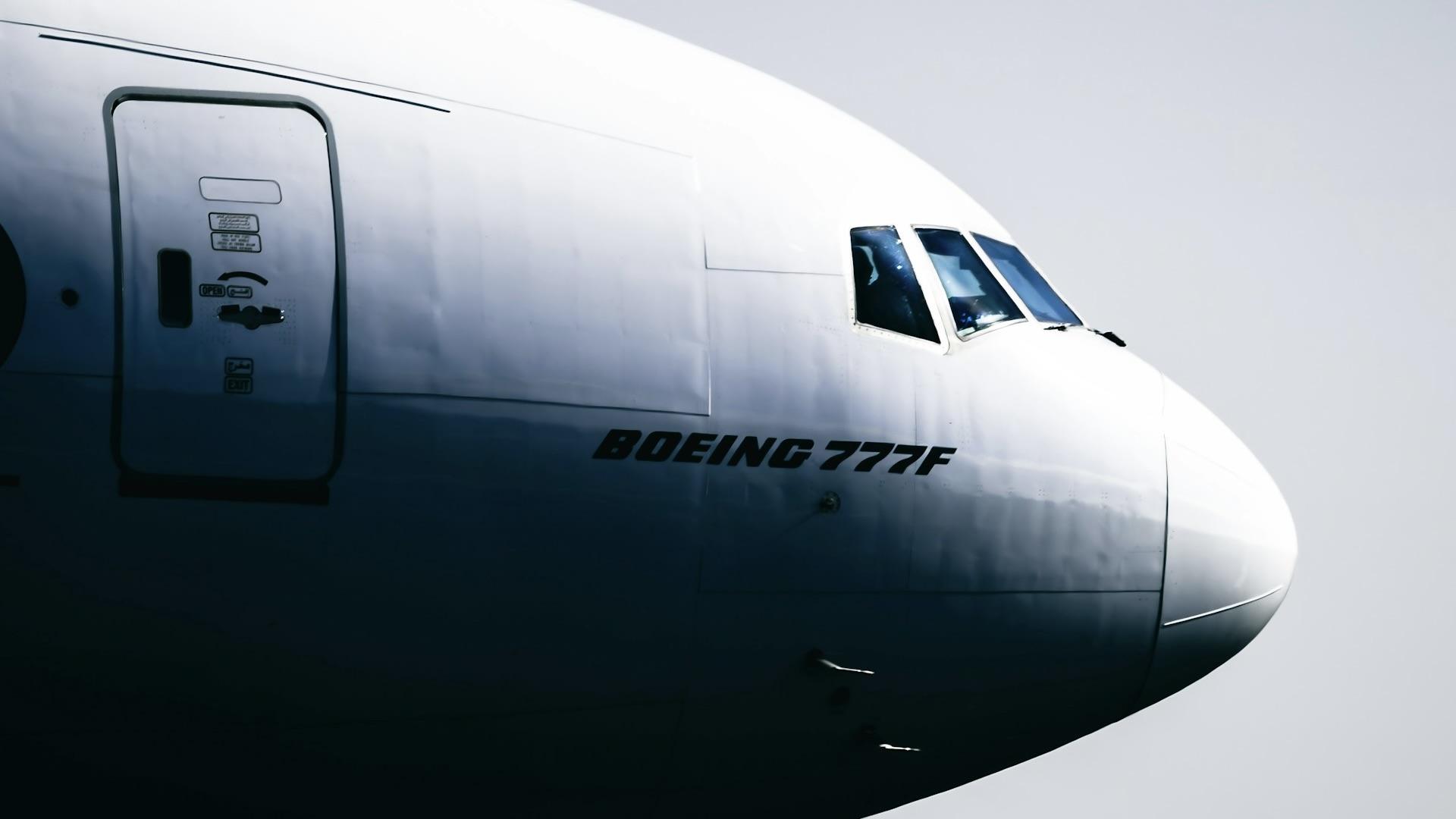
The U.S. Air Force has confirmed another delay in the delivery of the next-generation Air Force One aircraft, pushing the expected arrival of the first jet to mid-2028. This marks an additional one-year setback in a program already years behind schedule and adds pressure on Boeing, the prime contractor responsible for building the new presidential planes.
The delay could further frustrate President Donald Trump, who has previously expressed dissatisfaction with Boeing’s performance on the Air Force One program. Trump has said he hopes to fly aboard the new aircraft before the end of his presidential term in January 2029. With the revised timeline, the program would be approximately four years late compared to its original schedule.
Boeing is converting two 747-8 aircraft into highly specialized Air Force One jets, equipped with advanced communications, security, and defense systems designed to function as mobile command centers for the U.S. president. The current Air Force One planes, which entered service in 1990, are more than three decades old and increasingly costly to maintain.
The aircraft program has also faced significant cost overruns. Boeing originally secured a $3.9 billion fixed-price contract in 2018, but total costs have since climbed to more than $5 billion. The company has reported roughly $2.4 billion in charges against earnings related to the project, underscoring the financial strain caused by delays, supply chain disruptions, and workforce challenges. Despite this, Boeing said it remains focused on delivering “two exceptional Air Force One airplanes for the country.”
In an unusual development, the United States accepted a luxury Boeing 747 jetliner from Qatar in May. The White House subsequently requested the Air Force to fast-track upgrades to make the aircraft suitable for presidential use. Defense contractor L3Harris Technologies was selected to handle the overhaul, adding another layer to the evolving Air Force One landscape.
Earlier this year, Trump ruled out Airbus as an alternative supplier but continued to criticize Boeing over missed deadlines. Boeing CEO Kelly Ortberg said Elon Musk, who serves as a Trump adviser, has been assisting with delivery challenges. In June, Boeing appointed Steve Sullivan, a former Northrop Grumman executive with experience on the B-21 bomber program, to lead the Air Force One effort, replacing Gregg Coffey.
As delays persist, the Air Force One program remains under intense political, financial, and public scrutiny.













