


 Samsung to Invest $90 Billion in South Korea to Expand AI Chip, Display, and Battery Production
  Texas Man Charged After Fatal Tesla Full Self-Driving Crash in Katy
  ShareChat Eyes 2027 IPO After Reaching Operational Profitability, Report Says
  Super Micro Employees Detained in Taiwan AI Server Export Investigation
  DOJ Seeks Dismissal of Fraud Charges Against Gautam Adani in U.S. Court
  U.S. Supreme Court to Review Trump Administration Appeal on Immigrant Detention Without Bond Hearings
  Sodexo Raises 2026 Revenue Outlook After Strong Q3 Sales Beat
  Australia Sues Amazon Over Prime Video Ads and Subscription Terms
  DOJ Opens Investigation Into NYC Coffee Shop Over Anti-Goldman Social Media Post
  AI Memory Chip Shortage Likely to Persist Despite Korea Investment Boom, Nomura Says
  Lockheed Martin Emerges as Frontrunner to Acquire Ultra Maritime in $3.5 Billion Defense Deal
  Apple Challenges India Antitrust Probe, Says CCI Copied Rivals’ Claims in App Store Case
  Switch Seeks $2 Billion Funding at Nearly $50 Billion Valuation Ahead of Potential IPO
  TetherMax Rebranding Highlights Official Exchange Partnerships as Foundation of Trust


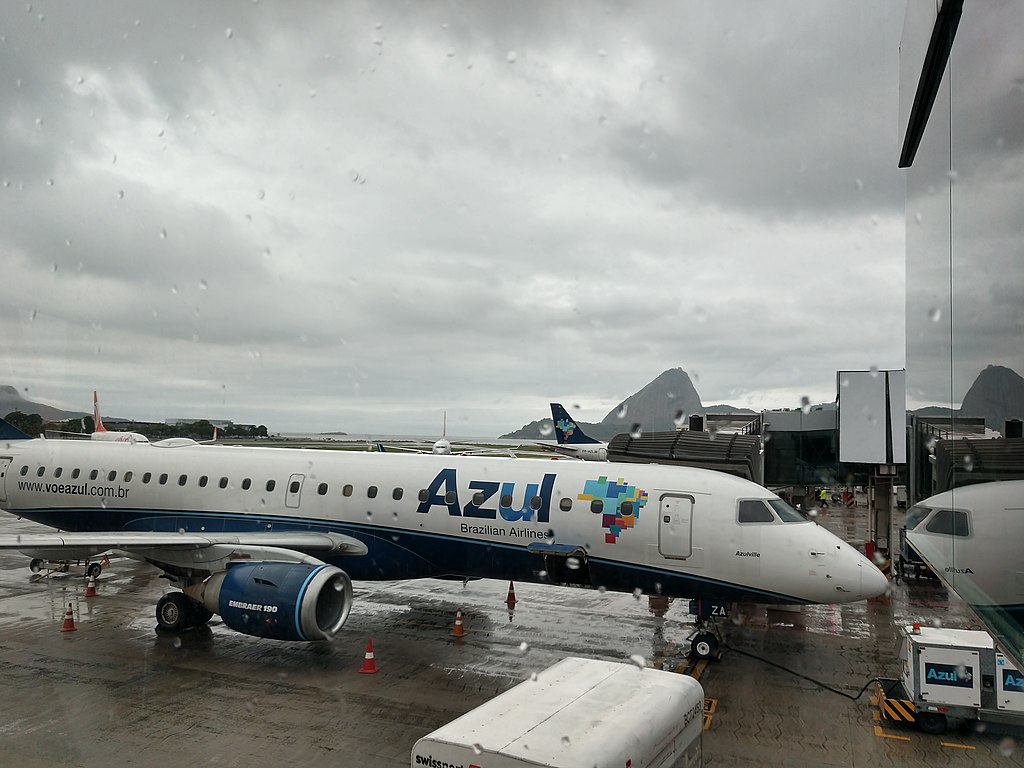
A U.S. bankruptcy judge has approved Azul Linhas Aéreas Brasileiras’ comprehensive debt restructuring plan, marking a major milestone for the Brazilian airline as it works to stabilize its finances and strengthen its balance sheet. The decision allows Azul to eliminate more than $2 billion in debt while securing new funding through an equity rights offering and strategic investments from American Airlines and United Airlines.
The ruling was issued on Friday by U.S. Bankruptcy Judge Sean Lane during a court hearing in White Plains, New York. The approval clears the way for Azul to move forward with its restructuring strategy, which has been closely watched by investors and the global aviation industry amid ongoing financial pressures on airlines.
Azul’s restructuring plan is designed to significantly reduce leverage and improve long-term liquidity. By cutting over $2 billion in debt, the airline aims to lower interest expenses and gain greater financial flexibility. The plan also includes raising fresh capital through a new equity rights offering, giving existing shareholders the opportunity to participate in the airline’s recovery and future growth.
A key element of the approved plan is the involvement of major U.S. carriers American Airlines and United Airlines, which will invest in Azul as part of the restructuring. Their participation is seen as a strong vote of confidence in Azul’s business model, network strategy, and prospects in Brazil’s competitive aviation market. The investments are also expected to reinforce commercial partnerships and deepen cooperation between Azul and its U.S. airline partners.
Azul entered bankruptcy proceedings in the United States as part of a broader effort to address debt accumulated during years of operational challenges, including the severe impact of the COVID-19 pandemic on air travel demand. Like many airlines worldwide, Azul faced rising costs, currency volatility, and pressure on revenues, making a comprehensive financial overhaul necessary.
With court approval now secured, Azul is positioned to exit bankruptcy with a healthier balance sheet, improved access to capital, and stronger strategic backing. The airline expects the restructuring to support ongoing operations, fleet optimization, and future expansion, while restoring confidence among investors, creditors, and passengers alike.







