


 U.S. Lawmakers to Review Unredacted Jeffrey Epstein DOJ Files Starting Monday
  Ohio Man Indicted for Alleged Threat Against Vice President JD Vance, Faces Additional Federal Charges
  Nighttime Shelling Causes Serious Damage in Russia’s Belgorod Region Near Ukraine Border
  Trump Allows Commercial Fishing in Protected New England Waters
  Trump Signs “America First Arms Transfer Strategy” to Prioritize U.S. Weapons Sales
  U.S. to Begin Paying UN Dues as Financial Crisis Spurs Push for Reforms
  Japan Election 2026: Sanae Takaichi Poised for Landslide Win Despite Record Snowfall
  Trump Endorses Japan’s Sanae Takaichi Ahead of Crucial Election Amid Market and China Tensions
  US Pushes Ukraine-Russia Peace Talks Before Summer Amid Escalating Attacks
  Iran–U.S. Nuclear Talks in Oman Face Major Hurdles Amid Rising Regional Tensions
  Trump Signs Executive Order Threatening 25% Tariffs on Countries Trading With Iran
  TrumpRx.gov Highlights GLP-1 Drug Discounts but Offers Limited Savings for Most Americans
  Trump Lifts 25% Tariff on Indian Goods in Strategic U.S.–India Trade and Energy Deal
  Norway Opens Corruption Probe Into Former PM and Nobel Committee Chair Thorbjoern Jagland Over Epstein Links
  New York Legalizes Medical Aid in Dying for Terminally Ill Patients
  Trump’s Inflation Claims Clash With Voters’ Cost-of-Living Reality
  U.S.-India Trade Framework Signals Major Shift in Tariffs, Energy, and Supply Chains


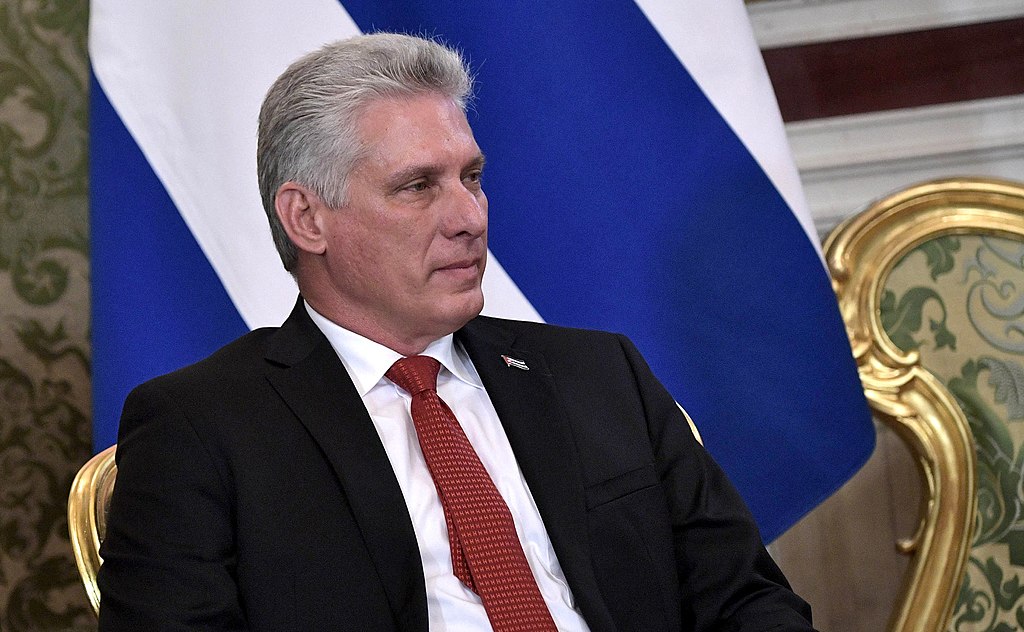
The Biden administration announced plans to remove Cuba from the U.S. terrorism blacklist, signaling a major policy shift that could reshape U.S.-Cuba relations. The move reverses sanctions imposed by former President Donald Trump, including Cuba’s designation as a state sponsor of terrorism and restrictions on financial dealings with Cuban military-linked entities.
The decision, subject to Congress and the incoming Trump administration, also blocks lawsuits under the Helms-Burton Act for property seized after Fidel Castro's 1959 revolution. A senior U.S. official stated these steps aim to expedite a democratic transition in Cuba while easing the economic strain on the island.
In response, Cuban President Miguel Diaz-Canel announced plans to gradually release 553 prisoners, though it remains unclear if they include those detained during the 2021 protests. Cuba has faced global criticism over its treatment of protestors but claims the release reflects its humanitarian justice system.
The Biden administration’s review found no credible evidence of Cuba’s support for terrorism, contradicting Trump’s 2021 designation. Cuba called the blacklist placement a farce and welcomed the announcement as progress, though it criticized ongoing U.S. sanctions and the Cold War-era trade embargo.
Cuba's economic crisis, marked by severe shortages of food, medicine, and fuel, has driven a mass exodus of over 1 million people since 2020, many to the U.S. Biden’s measures aim to ease tensions and provide Havana with more economic flexibility. However, Trump, set to retake office, may reinstate sanctions, continuing his hardline approach.
The Vatican, pivotal in previous U.S.-Cuba negotiations, played a significant role in the prisoner amnesty talks. Both nations hope these developments mark the start of improved relations, though challenges remain.













