


 Oil Prices Slide as Middle East Flows Recover
  BOJ Set for Rate Hike as Inflation and Yen Pressure Mount
  Yen in Focus as BOJ, Fed Rate Hikes Reshape Currency Markets
  BlackRock’s Rick Rieder Favors Bonds Over Stocks as Treasury Yields Surge
  Fed’s Hammack Says Bond Yield Surge Is Not Driven by Inflation Fears
  Asian Stocks Fall as Oil Surge, Bond Yields and AI Concerns Hit Markets
  RBA Hikes Interest Rate to 4.60% as Inflation Risks Rise
  Asian Stocks Fall as Bond Yields and Oil Prices Surge
  Gold Prices Slip as High Treasury Yields Weigh on Bullion
  Japanese Yen Retreats as Dollar Rises Ahead of Fed, BOJ Rate Decisions
  RBI Uses $10 Billion Currency Swaps to Drain Excess Rupee Liquidity
  Nvidia China Chip Sales Report Sends Chinese Semiconductor Stocks Lower


 Add as a preferred source on Google
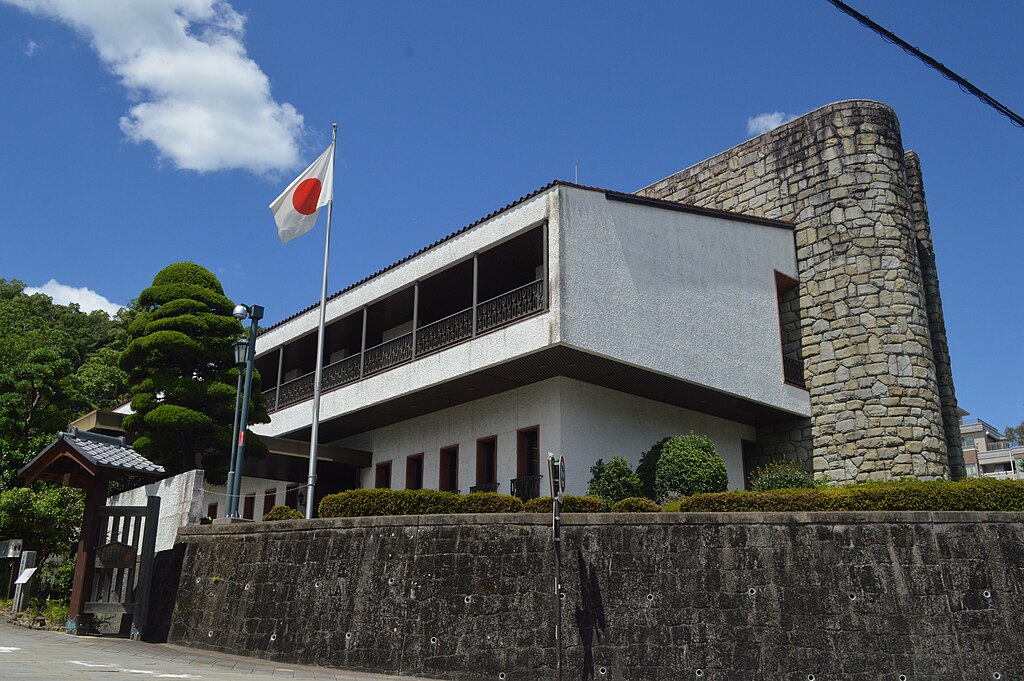
The Bank of Japan (BOJ) is widely expected to keep interest rates steady at 0.5% during its two-day policy meeting ending Thursday, while offering a cautiously optimistic outlook on the economy following a new trade deal with the United States.
Markets are closely watching BOJ Governor Kazuo Ueda for any signals on potential rate hikes later this year as the yen weakens toward 150 per dollar, raising import costs and inflationary pressures. Analysts warn a break above this level could prompt calls for intervention or accelerated rate increases.
The Japan-U.S. trade agreement, signed earlier this month, reduces U.S. tariffs on Japanese automobile exports, easing concerns for Japan’s export-driven economy. This has revived expectations that the BOJ could raise rates to 0.75% by year-end, especially as stubbornly high food prices keep core inflation above the bank’s 2% target.
Recent data showed factory output rising 1.7% in June, defying forecasts of a decline and signaling resilience against U.S. tariffs. The BOJ is likely to upgrade its inflation outlook in its quarterly report but maintain its stance that demand-driven price growth remains insufficient to justify aggressive tightening.
The decision comes a day after the U.S. Federal Reserve held rates steady, with Chair Jerome Powell’s comments reducing market bets on a September cut. While the IMF slightly raised its global growth forecast on front-loaded demand, it warned of risks from potential tariff escalations.
The BOJ ended its decade-long stimulus in January and raised rates for the first time in years, but policymakers remain cautious amid global trade uncertainties. Economists expect the next rate hike as early as December 2025, barring significant economic shocks.







