


 TSMC Gradually Restarts Japan Chip Plant After Kumamoto Earthquake
  Johnson & Johnson Proposes $5.5 Billion Talc Settlement to Resolve U.S. Ovarian Cancer Lawsuits
  Stellantis Sells Free2move Car-Sharing Business to Mutares to Strengthen Core Auto Strategy
  Barclays Q2 Profit Beats Forecasts as Investment Banking Strength Offsets Higher Costs
  Zhongji Innolight Raises $6.8 Billion in Hong Kong IPO as AI Demand Fuels Growth
  Sika Raises 2026 Sales Outlook After Strong First-Half Results Beat Expectations
  Standard Chartered Beats Profit Forecasts as First-Half Earnings Rise 9%
  AstraZeneca Q2 Earnings Beat Forecasts as Oncology Growth Supports 2026 Outlook
  Seagate Stock Jumps as AI-Fueled Earnings Beat and Strong FY2027 Outlook Impress Investors
  Meta CEO Zuckerberg Opposes U.S. Ban on Chinese AI Models, Warns Against Overregulation
  CXMT IPO Debut in Shanghai Puts $85.5 Billion Chipmaker in Spotlight
  Nvidia Eyes $250B Guarantee for OpenAI’s Massive Ohio AI Data Center Project
  CATL Shares Jump as $5.6 Billion Buyback Signals Confidence in Long-Term Growth
  X Challenges Australia’s Expanded Social Media Ban Enforcement Powers
  TeamViewer Shares Fall Despite Profit Growth as ARR and Customer Base Decline
  Rio Tinto Stock Jumps as Strong Earnings, Higher Dividend and AI Metal Demand Boost Outlook


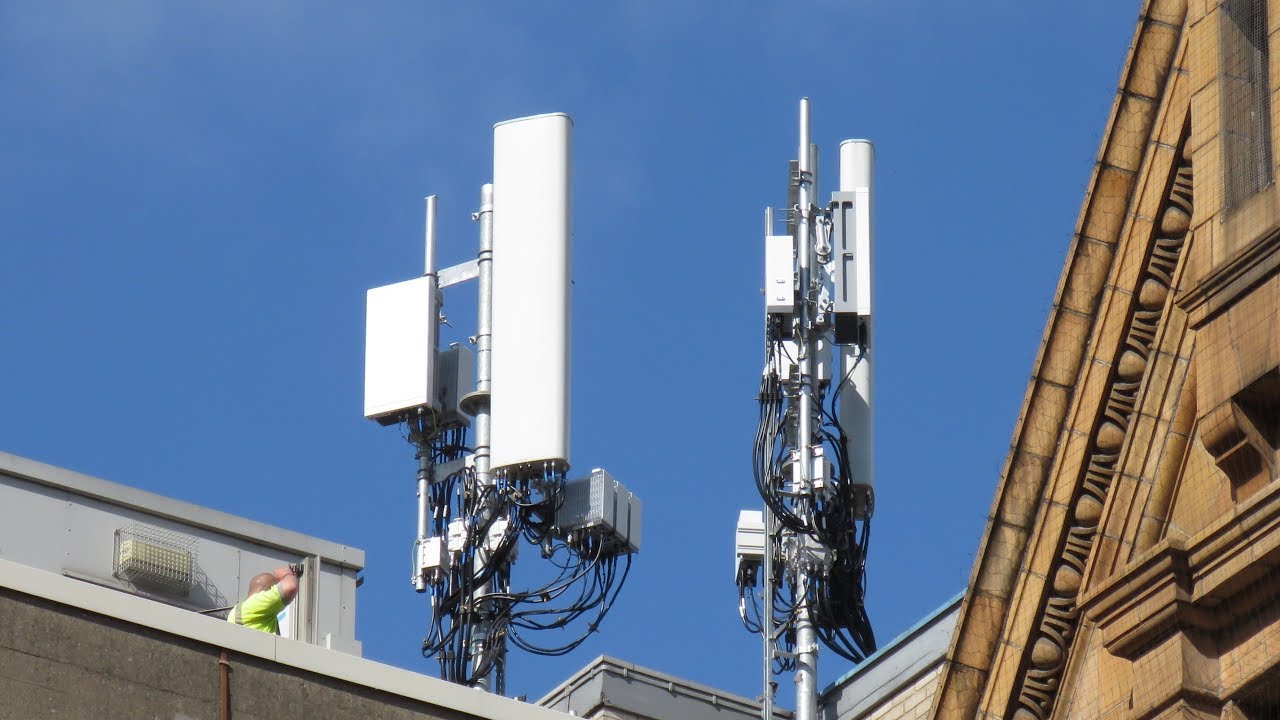
BT will use Ericsson's 5G radio antennas, base station, and other equipment to upgrade its EE mobile network, eventually transmitting 50 percent of its 5G traffic via the Swedish company's kit.
The move is part of the process to replace Huawei's equipment in its "core," which routes data and voice calls across computer servers to get them to its destination.
The Ericsson deal will also keep BT from becoming dependent on its other radio access network (Ran) equipment provider, Nokia.
Ministers announced in July that all the UK's mobile providers must stop buying new Huawei 5G telecoms infrastructure after 31 December, and must also remove any of its 5G equipment purchased before that date by 2027.
This was a result of US sanctions claiming Huawei poses a national security threat.
BT and many mobile network providers typically use two Ran equipment vendors, allowing them to maintain service if a problem arises in one of the systems.
However, industry leaders have expressed concern that Huawei's exit could reduce competition, making 5G upgrades becoming more expensive.
Kester Mann from the consultancy CCS Insight noted that without vendor diversity, operators become reliant on an ever-diminishing number of suppliers.







