


 Fed Unveils Stablecoin Rules Under GENIUS Act
  BOJ Set for 25-Basis-Point Rate Hike as Yen Weakness Fuels Inflation
  RBA Set for September Rate Hike as Inflation Stays High
  Gold Holds Near Seven-Week Low as Fed Rate Hike Bets Rise
  Asian Currencies Mixed as Yen Weakens, RBA Hike Looms
  Dollar Eases Near Two-Month High as Yen Rebounds
  Japan Warns Markets Over Yen Weakness
  ECB May Stop Rate Hikes After December, Capital Economics Says
  UK Housebuilder Stocks Surge on New First-Time Buyer Loan Scheme
  South Korea Exports Set for 16th Monthly Gain on AI Chip Demand
  RBI Uses $10 Billion Currency Swaps to Drain Excess Rupee Liquidity
  US Stocks Slip as Treasury Yields Ease, AI Trade Rebounds
  Nvidia China Chip Sales Report Sends Chinese Semiconductor Stocks Lower


 Add as a preferred source on Google
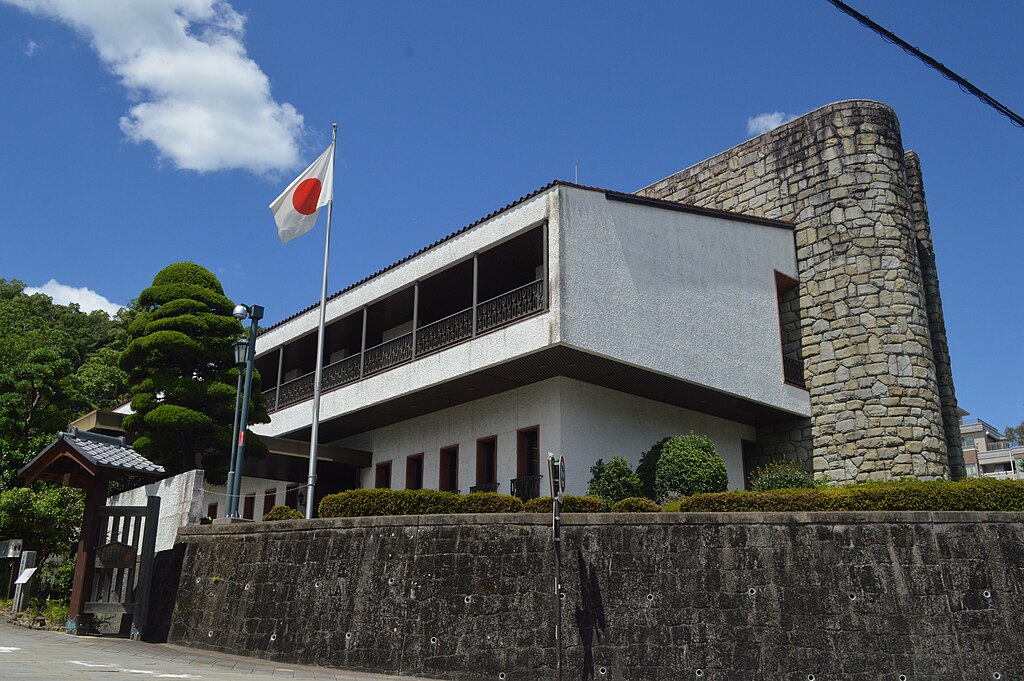
Bank of Japan Deputy Governor Shinichi Uchida emphasized the central bank’s commitment to price stability, rejecting claims it is monetizing government debt. In a Saturday speech, Uchida clarified that the BOJ’s large-scale bond purchases were aimed solely at achieving its 2% inflation target—not financing government spending.
He acknowledged that while central banks can theoretically print unlimited money to fund government deficits, such actions risk stoking runaway inflation and undermining policy independence. “What matters is whether monetary policy is compromised by fiscal considerations,” Uchida stated, adding that the BOJ must avoid policy decisions swayed by government budget pressures.
Since the 2008 financial crisis, unconventional monetary easing measures have posed a global challenge for central banks. Japan’s version, initiated in 2013, included aggressive bond buying and capping long-term interest rates near zero. Although that yield curve control policy ended in 2024, the BOJ’s short-term interest rate remains at 0.5%.
Uchida’s comments come amid political pressure on Prime Minister Shigeru Ishiba to boost spending ahead of next month’s upper house election. Some analysts suggest fiscal concerns have driven super-long Japanese government bond (JGB) yields to record highs, complicating the BOJ’s plans to reduce its bond holdings.
To reinforce its monetary independence, the BOJ will unveil a new tapering strategy for fiscal 2026 and beyond later this month. Uchida stressed the bank’s future actions must remain aligned with its inflation and economic mandates, clearly distancing itself from any perception of debt monetization.
The central bank remains focused on gradually normalizing policy without disrupting market confidence, signaling its intent to prioritize inflation control over fiscal influence.







